The Name You Can Trust | Est. 1984

Open post
Grants for Insulating Your Home in Ireland 2026

Grants for Insulating Your Home in Ireland 2026

In 2026, many homeowners in Ireland can get financial help to insulate their homes. The Irish government, through the Sustainable Energy Authority of Ireland (SEAI), offers grants to improve energy efficiency. These grants help reduce heating costs, make homes warmer, and protect the environment.

This article explains the main insulation grants available in Ireland, who can apply, how much money you can get, and how to apply.


Why Insulation is Important

Insulation helps keep heat inside your home. Without proper insulation, a lot of heat escapes through the roof, walls, and floors. This means higher energy bills and a colder home.

In Ireland, many homes are older and not well insulated. Adding insulation can:

  • Reduce heating costs
  • Improve comfort
  • Increase property value
  • Lower carbon emissions

Because of these benefits, the government supports homeowners with grants.


Main Grant Provider in Ireland

The main organisation offering insulation grants is the Sustainable Energy Authority of Ireland (SEAI).

SEAI provides different types of home energy grants, including:

  • Attic insulation grants
  • Wall insulation grants
  • Floor insulation grants
  • Full home upgrade grants

These grants are part of Ireland’s plan to make homes more energy-efficient by 2030.


Types of Insulation Grants Available

Grants for Insulating Your Home in Ireland 2026

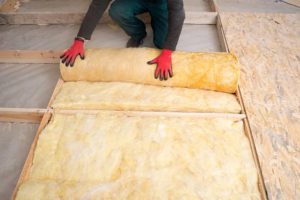
1. Attic Insulation Grants

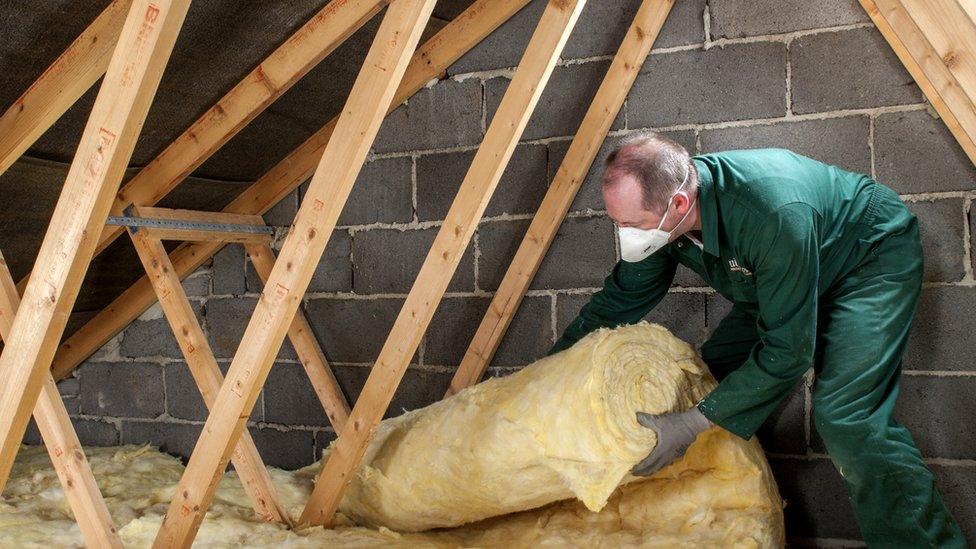
Attic insulation is one of the cheapest and most effective upgrades.

According to SEAI:

  • Detached house: up to €2,000
  • Semi-detached house: up to €1,500
  • Mid-terrace house: up to €1,400
  • Apartments: up to €1,100

Some homeowners, such as first-time buyers or those on welfare, can receive up to €2,500.

Attic insulation can reduce heat loss significantly and improve comfort quickly.


2. Wall Insulation Grants

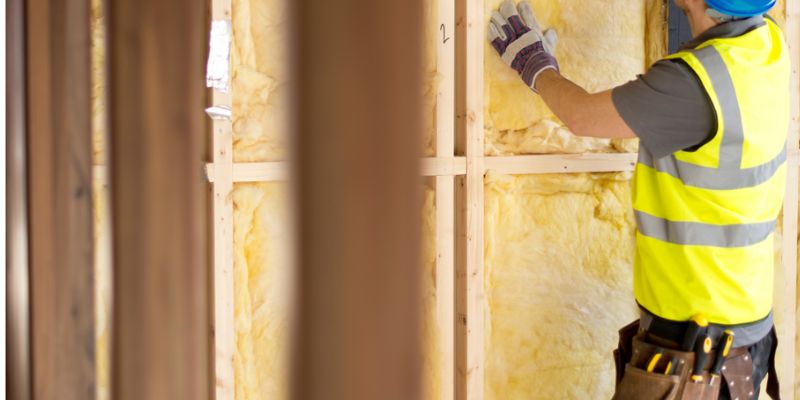
Walls are another major source of heat loss. SEAI offers grants for different types of wall insulation:

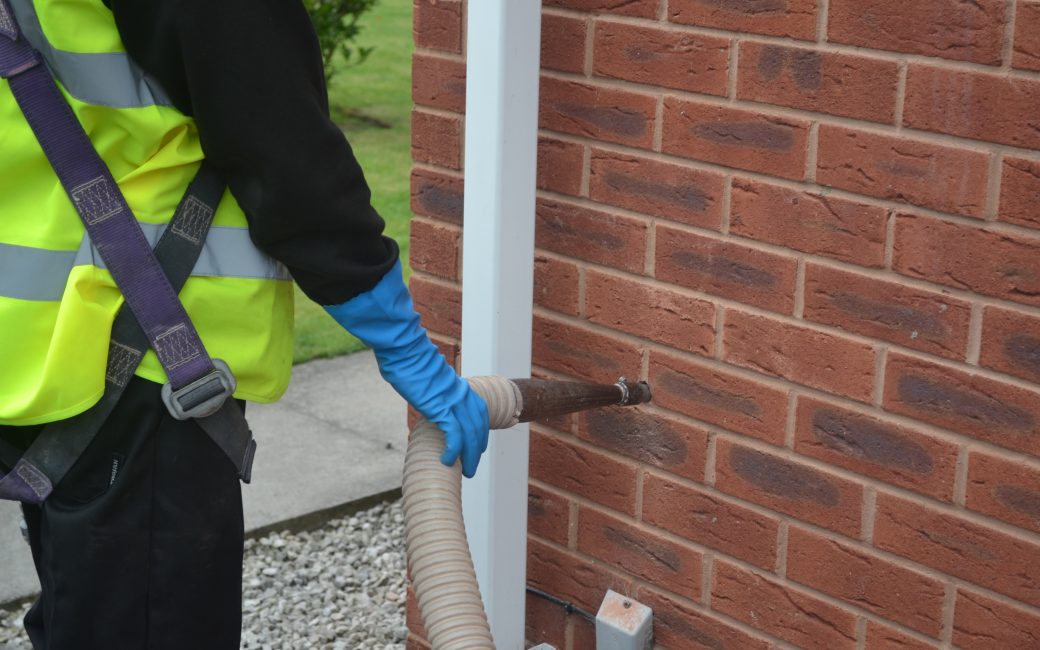
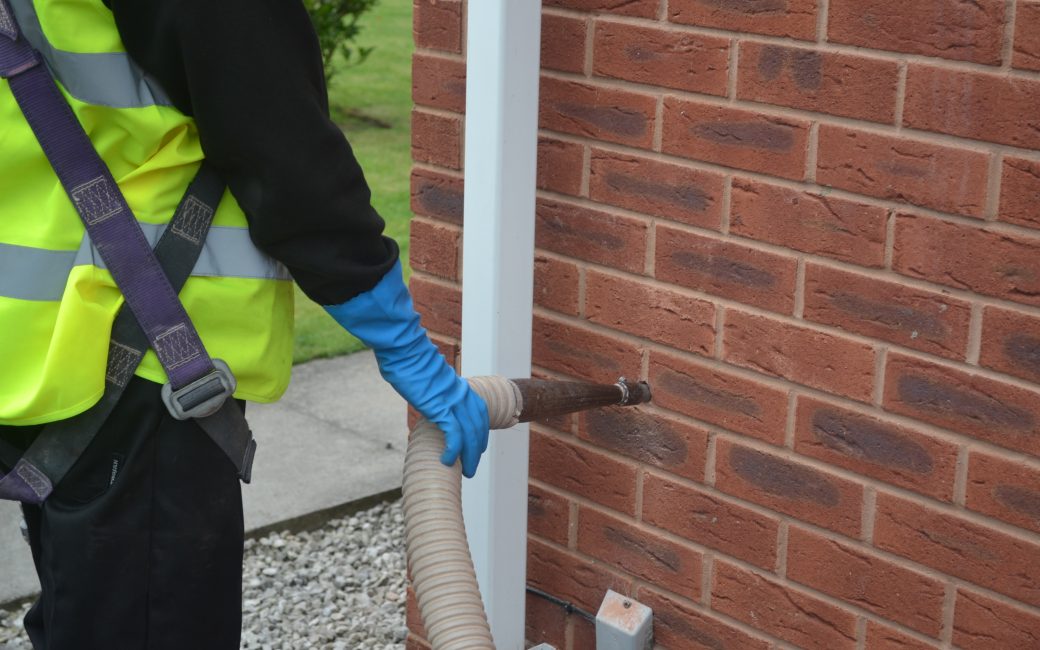
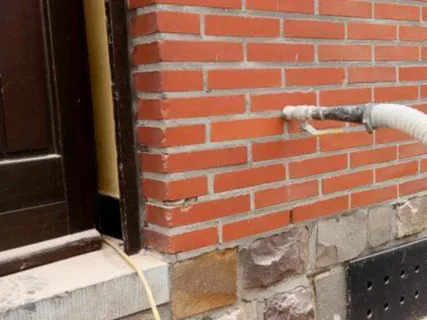
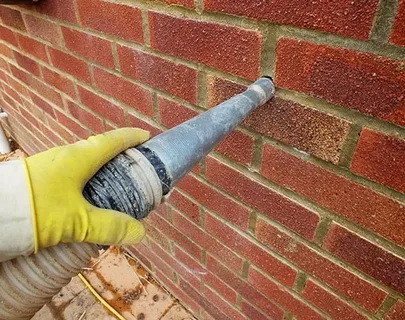
Cavity Wall Insulation

  • Up to €1,800 for detached homes
  • Lower amounts for smaller homes

Internal Wall Insulation (Dry Lining)

  • Up to €4,500

External Wall Insulation

  • Up to €8,000 for detached houses

These grants depend on the type and size of your home.

Wall insulation is more expensive than attic insulation, but it gives long-term savings.


3. Floor Insulation Grants

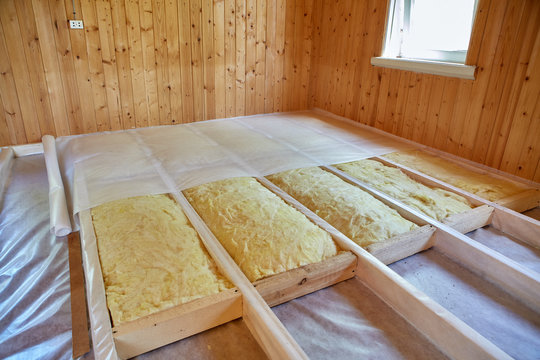
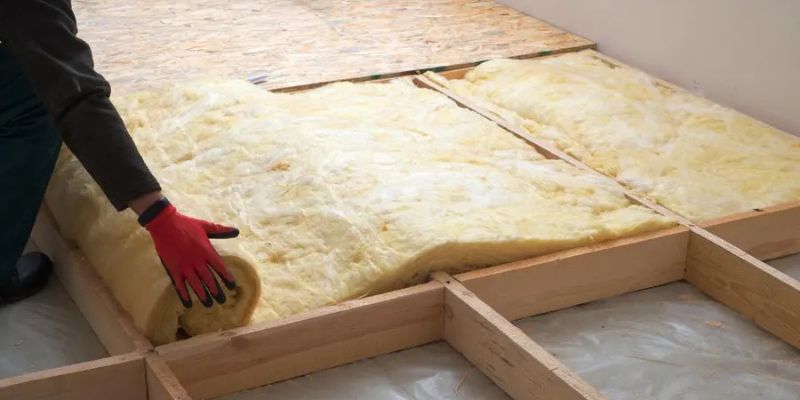
Floor insulation is also supported under SEAI schemes. It helps prevent heat loss through the ground and improves comfort, especially in older homes.

Although exact grant values vary, floor insulation is often included in larger upgrade packages.


4. Full Home Energy Upgrade (One Stop Shop)

If you want to upgrade your entire home, you can apply for a full retrofit.

This includes:

  • Insulation (attic, walls, floors)
  • Heating system upgrades
  • Windows and doors

The goal is to reach a BER rating of B2 or higher.

A “One Stop Shop” service manages everything for you, including the grant application and work.


5. Fully Funded Grants (Warmer Homes Scheme)

If you are on certain social welfare payments, you may qualify for free insulation upgrades.

This scheme includes:

  • Free attic insulation
  • Free wall insulation
  • Heating improvements

It is designed for low-income households and can cover 100% of costs.


New Updates for 2026

In 2026, the Irish government has improved many grants:

  • Higher grant amounts for attic and wall insulation
  • More eligibility for second insulation upgrades
  • New grants for windows and doors

These changes are part of Ireland’s National Retrofit Plan.

This means now is a great time to upgrade your home.


Who Can Apply?

You can apply for insulation grants if:

  • You own your home
  • Your home was built before 2011
  • You have an electricity connection (MPRN)

Grants are available for:

  • Homeowners
  • Landlords
  • First-time buyers
  • Some businesses and charities

However, you cannot get a grant for the same work twice on the same property.


How to Apply for Insulation Grants

Grants for Insulating Your Home in Ireland 2026

The application process is simple:

Step 1: Choose Your Upgrade

Decide what type of insulation you need (attic, wall, etc.).

Step 2: Find a Registered Contractor

You must use an SEAI-approved contractor.

Step 3: Apply for the Grant

Apply online through the SEAI website. You must get approval before starting work.

Step 4: Complete the Work

The contractor completes the insulation work.

Step 5: Get a BER Assessment

A Building Energy Rating (BER) check is required after the work.

Step 6: Receive Payment

The grant is paid after all documents are submitted.

In some cases, the grant is deducted directly from the cost if you use a One Stop Shop.


Benefits of Insulation Grants

Getting an insulation grant offers many advantages:

Lower Energy Bills

Insulated homes use less energy, saving money every month.

Better Comfort

Your home stays warmer in winter and cooler in summer.

Increased Property Value

Energy-efficient homes are more attractive to buyers.

Environmental Benefits

Less energy use means lower carbon emissions.


Things to Consider

Before applying, keep these points in mind:

  • You must get approval before starting work
  • Use only SEAI-registered contractors
  • Keep all documents and receipts
  • Some grants require full insulation (not partial work)
  • Work must be completed within the allowed time

Also, prices can vary depending on your home size and condition.


Conclusion

In 2026, Ireland offers strong support for home insulation through SEAI grants. Whether you want to insulate your attic, walls, or your entire home, there are many options available.

With rising energy costs, these grants can help you save money, improve comfort, and make your home more energy-efficient.

If you are a homeowner in Ireland, now is the perfect time to take advantage of these grants and upgrade your home.


FAQs

1. Can I get free insulation in Ireland?
Yes, if you qualify for the Warmer Homes Scheme, insulation may be fully funded.

2. Do I need to pay upfront?
In many cases, yes. But with One Stop Shop services, the grant is deducted from the cost.

3. How long does it take to get the grant?
Usually 4–6 weeks after completing the work and submitting documents.

4. Can landlords apply for insulation grants?
Yes, landlords can apply for certain SEAI grants.

5. Is insulation worth it in Ireland?
Yes, it reduces energy bills and improves comfort, especially in older homes

Open post
Home Energy Assessment in Ireland 2026

Home Energy Assessment in Ireland 2026

A home energy assessment is one of the best ways to understand how energy-efficient your home is and how you can improve it. In Ireland, especially with rising energy costs, more homeowners are choosing energy assessments to reduce bills and make their homes warmer and more comfortable.

This guide explains everything about home energy assessments in Ireland in 2026 in simple English.


What Is a Home Energy Assessment?

A home energy assessment is a professional check of your house to see how much energy it uses and where heat is being lost. It is usually carried out by a registered energy assessor.

The result of the assessment is a BER (Building Energy Rating), which shows how energy-efficient your home is.

  • Ratings go from A (very efficient) to G (least efficient)
  • A better rating means lower energy bills and a warmer home

Why Home Energy Assessments Are Important

In Ireland’s cold and damp climate, homes can lose a lot of heat. An energy assessment helps you:

  • Identify heat loss areas
  • Reduce heating costs
  • Improve comfort
  • Increase property value
  • Qualify for government grants

It is also required when selling or renting a property in Ireland.


What Happens During an Energy Assessment?

A professional assessor visits your home and checks different areas.

1. Insulation Check

They inspect:

  • Attic insulation
  • Wall insulation
  • Floor insulation

2. Heating System Review

They check:

  • Boiler efficiency
  • Heating controls
  • Radiators

3. Windows and Doors

They look for:

  • Heat loss
  • Draughts
  • Double or single glazing

4. Ventilation

Proper airflow is important to prevent damp and mould.

5. Energy Usage

They assess how much energy your home uses overall.

After the inspection, you receive a report with your BER rating and recommendations.


What Is a BER Certificate?

A BER Certificate shows how energy-efficient your home is. It includes:

  • Energy rating (A to G)
  • Estimated energy use
  • Carbon emissions
  • Recommendations for improvement

The BER is valid for 10 years unless major upgrades are done.


Cost of Home Energy Assessment in Ireland

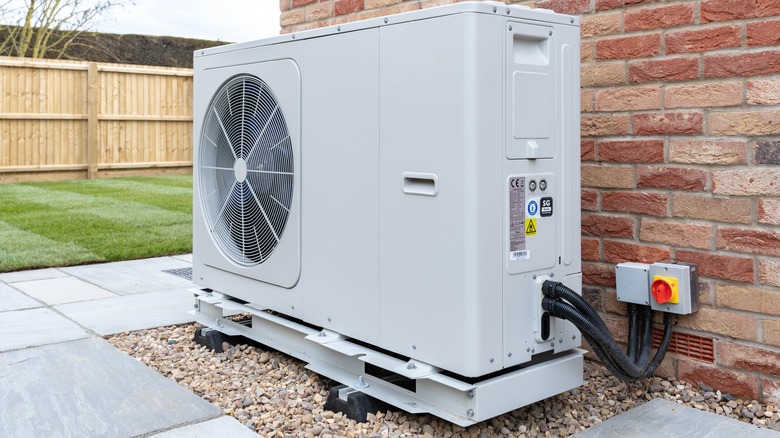
Outdoor air-to-water heat pump beside a pebble-dash Irish house wall with insulated pipework and frosted window
Efficient outdoor unit for low-temperature heating and hot water.

The cost of a BER assessment in 2026 depends on your home size and location.

Typical prices:

  • Apartments: €120 – €180
  • Small houses: €150 – €250
  • Large homes: €250 – €400

Prices may vary in Dublin and other cities.


SEAI Grants for Energy Assessments

The Sustainable Energy Authority of Ireland (SEAI) offers support to homeowners.

1. One Stop Shop Service

This includes:

  • Home energy assessment
  • Grant management
  • Full home upgrade plan

You don’t need to manage everything yourself.


2. Better Energy Homes Scheme

While this scheme mainly funds upgrades, some providers include assessments as part of the process.


3. Fully Funded Energy Upgrades

Under the Warmer Homes Scheme:

  • Eligible homeowners get free energy assessments
  • Full upgrades are also provided at no cost

Types of Energy Assessments in Ireland

1. Standard BER Assessment

  • Basic evaluation
  • Required for property sale or rent
  • Provides general recommendations

2. Detailed Home Energy Audit

A more advanced assessment that includes:

  • Heat loss calculations
  • Upgrade planning
  • Cost estimates

This is ideal if you want major improvements.


3. One Stop Shop Assessment

This is a complete service where:

  • Assessment
  • Grant application
  • Installation

are all handled by one company.


Benefits of a Home Energy Assessment

Modern Irish home with roof-mounted solar panels under blue sky; clean driveway and hedging
Roof-mounted solar PV,

1. Lower Energy Bills

You can save money by fixing problem areas.

2. Better Comfort

Your home stays warmer in winter and cooler in summer.

3. Access to Grants

You need an assessment to apply for many SEAI grants.

4. Higher Property Value

Homes with good BER ratings sell faster and at higher prices.

5. Environmental Benefits

Reduced energy use lowers carbon emissions.


Common Recommendations After Assessment

After your energy assessment, you may be advised to:

  • Add attic insulation
  • Upgrade wall insulation
  • Install a new boiler or heat pump
  • Improve windows and doors
  • Add solar panels

These upgrades can significantly improve your BER rating.


How to Choose a BER Assessor

Here are some tips:

  • Choose an SEAI-registered assessor
  • Check reviews and experience
  • Compare prices
  • Ask what is included in the report

Always make sure the assessor is certified.


Tips Before Your Assessment

To get the best results:

  • Have your documents ready (plans, previous BER if any)
  • Ensure easy access to attic and boiler
  • Be available to answer questions
  • Ask for clear upgrade advice

Future of Energy Assessments in Ireland (2026)

In 2026, Ireland is focusing more on energy efficiency:

  • More grants for home upgrades
  • Strong push towards B2 energy rating
  • Increased support for heat pumps and insulation
  • Climate targets encouraging greener homes

Energy assessments are now an important step for every homeowner.


Conclusion

A home energy assessment in Ireland is a smart investment in 2026. It helps you understand your home’s energy use, reduce costs, and improve comfort.

With support from the Sustainable Energy Authority of Ireland, homeowners can access grants, expert advice, and upgrade plans.

Whether you are planning to sell your home, reduce bills, or make your house more energy-efficient, starting with an energy assessment is the best first step.


FAQs

1. Is a BER assessment mandatory in Ireland?

Yes, it is required when selling or renting a property.

2. How long does an assessment take?

Usually 1 to 2 hours depending on the size of the home.

3. Can I get a free energy assessment?

Yes, if you qualify under the Warmer Homes Scheme.

4. How long is a BER certificate valid?

It is valid for 10 years.

5. Do I need an assessment for SEAI grants?

In most cases, yes, especially for major upgrades.

Open post
Best Residential Insulation in Dublin, Ireland

Best Residential Insulation in Dublin, Ireland

Keeping your home warm in Dublin is very important because Ireland has a cold, damp climate for most of the year. Without proper insulation, a lot of heat escapes from your home, making your energy bills higher and your home less comfortable.

In this guide, we will explain the best residential insulation options in Dublin, the top service providers, and how to choose the right solution in simple English.


Why Insulation Is Important in Ireland

In Irish homes, a large amount of heat can be lost through different parts of the house:

  • Up to 30% heat loss through the roof
  • Heat loss through walls and floors
  • Cold air entering through gaps and draughts

Good insulation helps:

  • Keep your home warm
  • Reduce heating bills
  • Improve your BER (Building Energy Rating)
  • Increase property value

Best Types of Residential Insulation in Dublin

There are different types of insulation available. The best one depends on your home type and budget.

1. Attic Insulation (Most Important)

Attic insulation is the most cost-effective upgrade for homes in Dublin.

  • Prevents heat escaping through the roof
  • Quick and affordable installation
  • Works for almost all homes

Many experts say this should be your first step.

Companies like Powell Insulations highlight that upgrading attic insulation can significantly reduce heat loss and improve comfort.


2. Cavity Wall Insulation

This is ideal for homes built with cavity walls (common in Ireland).

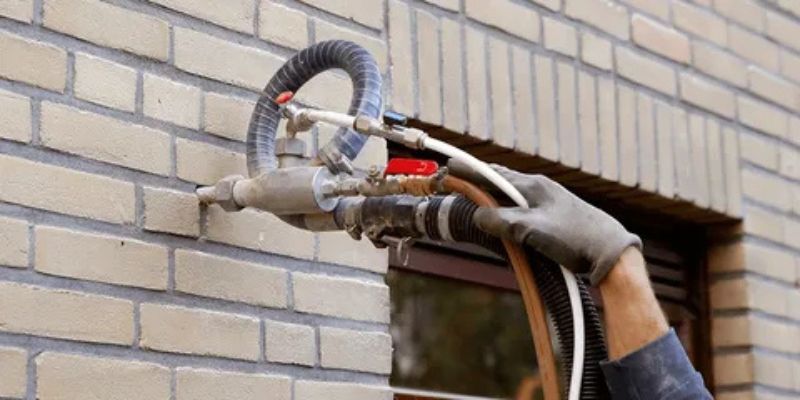
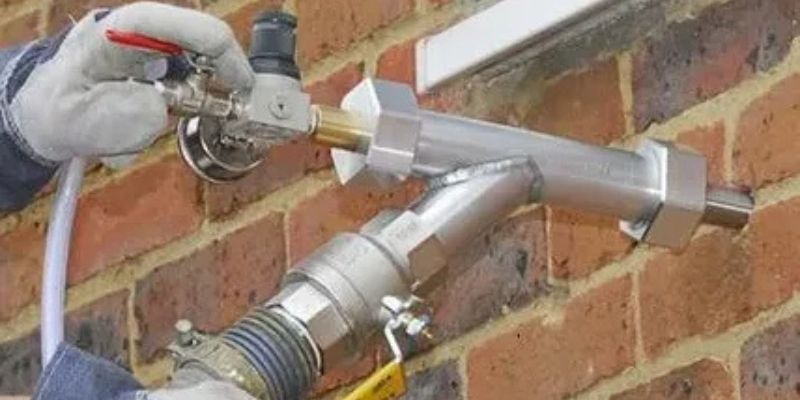
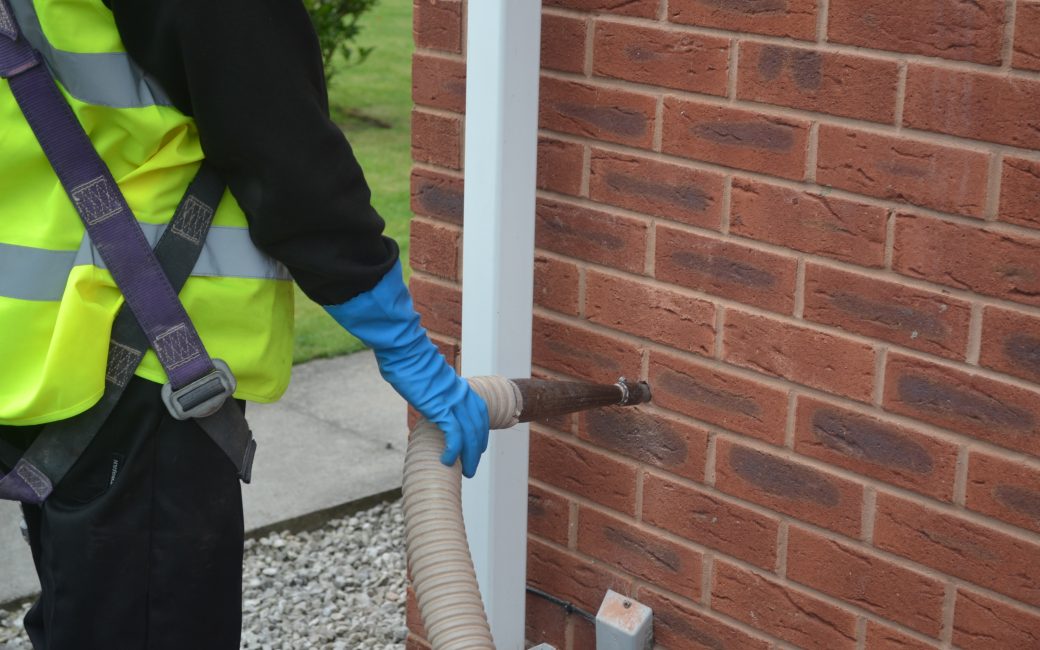
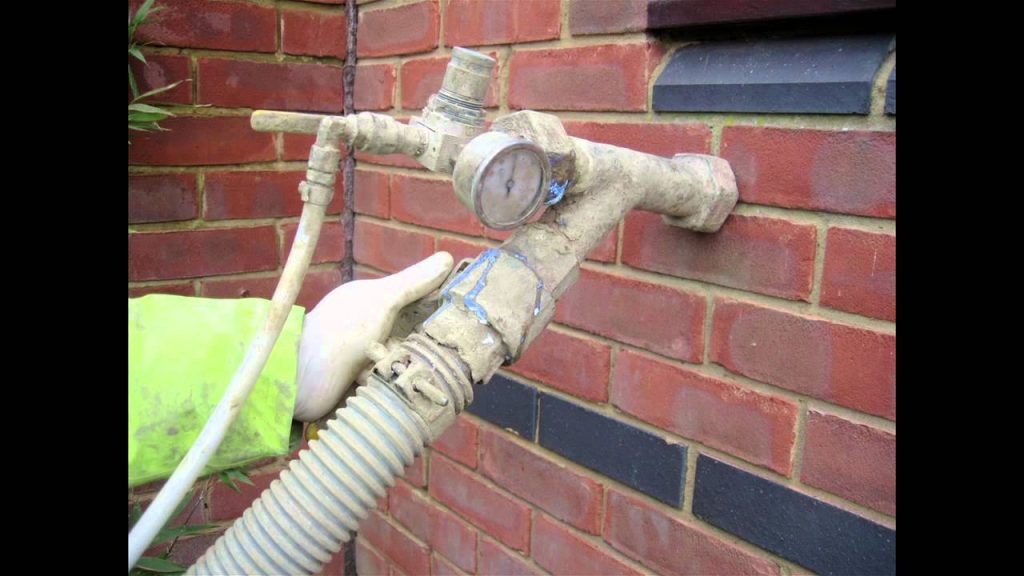
  • Fills the gap between walls with insulation material
  • Reduces heat loss quickly
  • Affordable with SEAI grants

For example, Eco Tec Insulation uses bonded bead insulation systems that are certified and suitable for Irish homes.


3. External Wall Insulation (Best for Older Homes)

External insulation is perfect for homes built before modern standards.

  • Covers the outside of your home with insulation
  • Greatly improves energy efficiency
  • Gives a modern finish to your house

This option is more expensive but offers the highest energy savings.


4. Internal Wall Insulation

This is used when external insulation is not possible.

  • Installed inside the house
  • Good for apartments or protected buildings
  • Slightly reduces room space

5. Spray Foam Insulation

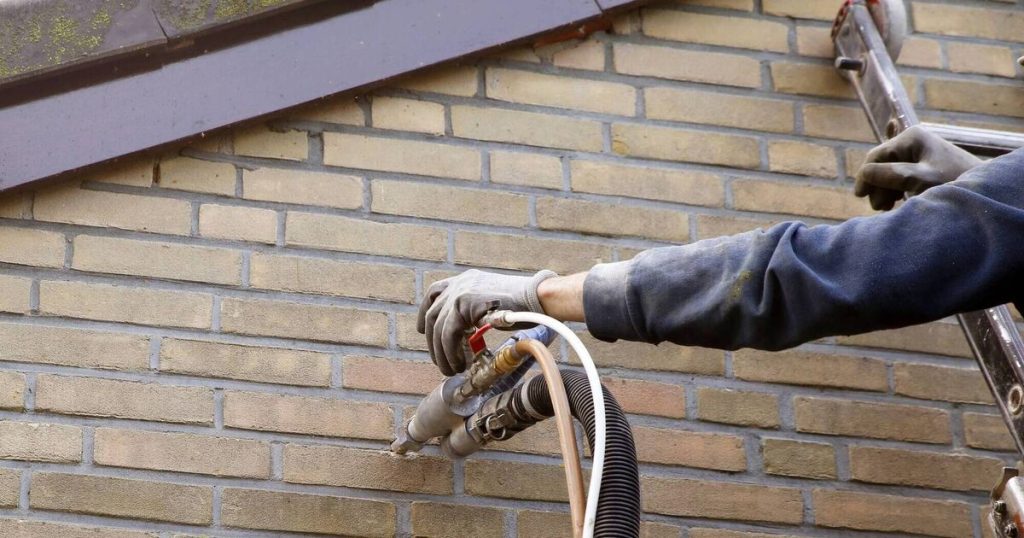
Spray foam is a modern and powerful insulation type.

  • Expands to fill all gaps and cracks
  • Creates an airtight seal
  • Ideal for attics and hard-to-reach areas

Companies like Be Cosy Insulations specialise in spray foam insulation and claim it can reduce energy costs significantly while improving comfort.


Best Residential Insulation Companies in Dublin

Outside House Insulation in Ireland – 2025 Guide

Choosing the right contractor is very important. Below are some trusted insulation companies in Dublin and Ireland.


Lovinsulation

4.5Insulation contractorOpen
  • Over 3,000 projects completed
  • Offers cellulose, fibreglass, and spray foam
  • Helps reduce energy bills by up to 30%

Holmes Insulation Ltd

  • Over 15 years of experience
  • Provides attic, wall, and spray foam insulation
  • Focus on energy efficiency and comfort

BlueBuild Insulation

  • SEAI-approved contractor
  • Fully certified and accredited
  • High-quality installations with industry standards

Fitzsimons Insulations

5.0Insulation contractor
  • Over 40 years of experience
  • Specialises in attic insulation and draught-proofing
  • Works on government insulation schemes

Premier Insulations

  • Established since 1984
  • Full home insulation services
  • Focus on improving overall energy performance

How to Choose the Best Insulation for Your Home

Here are some simple tips:

1. Start with an Energy Assessment

A professional will check your home and recommend the best insulation.

2. Focus on Priority Areas

Start with:

  • Attic
  • Walls
  • Draught-proofing

3. Use SEAI Grants

Government grants can reduce your cost significantly.

4. Choose Certified Contractors

Always choose SEAI-registered companies to ensure quality work.

5. Think Long-Term

Cheaper options may not always be best. Good insulation lasts many years.


Cost of Residential Insulation in Dublin


Cutaway house with two glowing arrows showing heat loss: 35% through uninsulated walls and 40% through an uninsulated attic.
Heat loss without insulation: walls up to 35%, attics up to 40%.

The cost depends on:

  • Size of your home
  • Type of insulation
  • Existing insulation level
  • Labour and materials

With SEAI grants, you can save a large amount, especially for attic and wall insulation.


Benefits of Installing Good Insulation

1. Lower Energy Bills

You will spend less on heating every month.

2. Warmer Home

Your home stays comfortable all year.

3. Better BER Rating

This increases property value.

4. Environmental Benefits

Less energy use means lower carbon emissions.

5. Less Damp and Moisture

Insulation helps prevent mould and damp issues.


Common Mistakes to Avoid

  • Not insulating the attic first
  • Choosing the cheapest contractor
  • Ignoring ventilation
  • Not checking grant eligibility
  • Installing wrong type of insulation

Conclusion

The best residential insulation in Dublin depends on your home, but in most cases:

  • Attic insulation is the first and most important step
  • Cavity wall insulation is affordable and effective
  • External insulation offers the best long-term results

Working with trusted companies like Lovinsulation, BlueBuild Insulation, or Fitzsimons Insulations ensures high-quality results.

With the help of SEAI grants, improving your home insulation in Dublin has become more affordable than ever. Investing in insulation today will save you money and keep your home warm for years.


FAQs

1. What is the best insulation for homes in Dublin?

Attic insulation is the best starting point, followed by wall insulation.

2. How much can I save with insulation?

You can save up to 30% on heating bills depending on upgrades.

3. Are grants available in Dublin?

Yes, SEAI provides grants for most insulation types.

4. How long does insulation last?

Most insulation lasts 20–40 years or more.

5. Is spray foam insulation safe?

Yes, if installed by certified professionals, but always check approvals.

Open post
Grants for Warmer Homes in Dublin Ireland

Grants for Warmer Homes in Dublin Ireland

Keeping your home warm in Ireland can be expensive, especially during cold winters. To help homeowners reduce energy bills and improve comfort, the Irish government offers several grants through the Sustainable Energy Authority of Ireland. One of the most important schemes is the Warmer Homes Scheme, along with other energy upgrade grants.

This article explains everything in simple English about warmer home grants in Dublin, including eligibility, benefits, and how to apply.


What Are Warmer Home Grants?

Warmer home grants are financial supports provided by the Irish government to improve energy efficiency in homes. These grants help homeowners:

  • Reduce heating costs
  • Improve comfort
  • Lower carbon emissions
  • Upgrade insulation and heating systems

The main aim is to make homes warmer, healthier, and cheaper to run.


The Warmer Homes Scheme (Free Upgrades)

Grants for Warmer Homes in Dublin Ireland

The Warmer Homes Scheme is one of the best grants available in Dublin and across Ireland. It is designed for low-income households and offers fully free home upgrades.

Key Features

  • 100% free (no cost to the homeowner)
  • Funded by the Irish government and EU
  • Managed by SEAI
  • Available across Dublin and all of Ireland

What Upgrades Are Included?

Depending on your home, you may receive:

  • Attic insulation
  • Wall insulation (internal, external, or cavity)
  • Draught proofing
  • Energy-efficient lighting
  • Lagging jackets
  • In some cases: renewable heating systems or window upgrades

These improvements can make a big difference in keeping your home warm and reducing energy bills.


Who Is Eligible?

To qualify for the Warmer Homes Scheme, you must meet all three conditions:

  1. You own and live in your home
  2. Your home was built before 2006
  3. You receive certain social welfare payments

Eligible Payments Include:

  • Fuel Allowance
  • Jobseeker’s Allowance (with conditions)
  • Working Family Payment
  • One-Parent Family Payment
  • Carer’s Allowance
  • Disability Allowance (with conditions)

If you meet these requirements, you can apply for completely free upgrades.


Application Process

Applying for the scheme is simple:

Step 1: Apply Online

Submit your application through SEAI.

Step 2: Home Assessment

An energy expert checks your home and recommends upgrades.

Step 3: Approval

If eligible, your application is approved.

Step 4: Work Begins

Contractors carry out the upgrades.

Step 5: Final Check

A final energy rating (BER) is done after work is completed.


Waiting Time

Due to high demand, there can be delays:

  • Assessment may take months
  • Full completion can take up to 2 years

Although the wait is long, the benefit is that the work is completely free.


Other Home Energy Grants in Ireland

If you do not qualify for the free scheme, there are other grants available.

1. Better Energy Homes Scheme

This scheme provides partial grants for improvements such as:

  • Attic insulation
  • Cavity wall insulation
  • Heating controls
  • Solar panels

You pay part of the cost, and the grant reduces the total price.


2. One Stop Shop (Full Home Upgrade)

This is for homeowners who want a complete home upgrade.

  • Targets a high energy rating (B2 or better)
  • Managed by registered companies
  • Grants are applied upfront

3. New Grants in 2026

In 2026, Ireland introduced new supports, including:

  • Up to €5,600 for windows and doors
  • Increased insulation grants
  • Bonuses for first-time buyers

These updates make it easier for more homeowners to improve their homes.


Benefits of Warmer Home Grants

Grants for Warmer Homes in Dublin Ireland

These grants provide many advantages:

1. Lower Energy Bills

Better insulation means less heating is needed.

2. More Comfort

Homes stay warm in winter and cooler in summer.

3. Better Health

Warm homes reduce dampness and improve air quality.

4. Increased Property Value

Energy-efficient homes are more attractive to buyers.

5. Environmental Benefits

Lower energy use helps reduce carbon emissions.


Important Things to Know

Before applying, keep these points in mind:

  • You must not start work before approval
  • The scheme is only for main residences
  • Some homes (like very old stone houses) may have limited upgrades
  • Apartments need permission from management companies

Tips to Improve Your Chances

  • Apply as early as possible
  • Make sure your documents are correct
  • Check your eligibility carefully
  • Be patient with waiting times

Conclusion

Warmer home grants in Dublin are a great opportunity for homeowners to improve comfort and reduce energy costs. The Warmer Homes Scheme offers completely free upgrades for eligible households, while other SEAI grants provide financial support for wider improvements.

With rising energy costs in Ireland, these grants can make a big difference in your daily life. Whether you qualify for full funding or partial grants, improving your home’s energy efficiency is a smart and long-term investment.


FAQs

1. Is the Warmer Homes Scheme really free?

Yes, if you qualify, all upgrades are fully funded with no cost.

2. Can landlords apply?

No, the free scheme is only for homeowners living in the property.

3. How long does the process take?

It can take up to 24 months due to high demand.

4. Can I apply if my house is new?

No, your home must be built before 2006.

5. What if I don’t qualify?

You can apply for other SEAI grants like Better Energy Homes or One Stop Shop

Open post
Benefits of Spray Foam Insulation in Ireland 2026

Benefits of Spray Foam Insulation in Ireland 2026

Spray foam insulation is becoming very popular in Ireland in 2026. Many homeowners are choosing this modern insulation method because it helps keep homes warm, reduces energy bills, and improves comfort. With rising energy costs and colder winters, good insulation is more important than ever.

Spray foam insulation is a special type of insulation that is sprayed as a liquid and quickly expands into foam. It fills gaps, cracks, and hard-to-reach areas inside walls, roofs, and floors. This creates a strong barrier that stops heat from escaping.

In this article, we will explain the main benefits of spray foam insulation in Ireland and why many homeowners are choosing it for their homes.


1. Lower Energy Bills

One of the biggest benefits of spray foam insulation is that it helps reduce energy bills. In many Irish homes, heat escapes through poorly insulated walls, attics, and roofs.

Spray foam insulation seals every small gap and crack. This keeps warm air inside during winter and prevents cold air from entering the home.

Because the home stays warmer for longer, the heating system does not need to work as hard. As a result, homeowners can save a lot of money on electricity and heating costs.

With energy prices increasing in Ireland, installing spray foam insulation is a smart long-term investment.


2. Better Home Comfort

Another major benefit is improved comfort inside the home. Homes without proper insulation often feel cold and drafty.

Spray foam insulation creates an airtight seal that keeps indoor temperatures stable. This means:

  • Rooms stay warmer in winter

  • Homes stay cooler in summer

  • No cold drafts near windows, walls, or ceilings

This helps create a more comfortable living environment for the entire family.


3. Excellent Air Sealing

Benefits of Spray Foam Insulation in Ireland 2026

Traditional insulation materials like fiberglass or mineral wool do not fully seal gaps in a building. Air can still move through small openings.

Spray foam insulation works differently. When sprayed, it expands and fills every small space. This creates a strong air barrier.

This air sealing helps prevent:

  • Heat loss

  • Cold air entering the home

  • Moisture problems

Good air sealing is very important in Ireland because the climate is often cold and damp.


4. Moisture and Damp Protection

Ireland is known for its rainy weather and high humidity levels. Moisture can easily enter homes and cause problems like damp walls, mold growth, and structural damage.

Spray foam insulation helps protect homes from moisture. The foam creates a barrier that blocks water vapor from entering walls and roofs.

This helps reduce the risk of:

  • Damp patches on walls

  • Mold and mildew growth

  • Damage to wooden structures

Because of this, spray foam insulation is a great choice for homes in Ireland’s wet climate.


5. Long-Lasting Insulation

Another advantage of spray foam insulation is its long lifespan. Unlike some traditional insulation materials that can sag, shift, or break down over time, spray foam stays in place for many years.

Once installed properly, spray foam insulation can last more than 30 years without losing its performance.

This means homeowners do not need to worry about frequent repairs or replacements.


6. Helps Reduce Noise

Spray foam insulation also helps reduce noise inside the home. The foam material absorbs sound and blocks noise from outside.

This can be very helpful for homes located near:

  • Busy roads

  • Airports

  • Schools

  • City centers

It also helps reduce noise between rooms inside the house, creating a quieter and more peaceful environment.


7. Improves Property Value

Homes with good insulation are more attractive to buyers. In Ireland, energy efficiency is becoming a very important factor in property value.

Spray foam insulation can help improve a home’s Building Energy Rating (BER). A better BER rating means the home uses less energy and is more environmentally friendly.

As a result, homes with spray foam insulation may sell faster and at a better price.


8. Eco-Friendly and Energy Efficient

Benefits of Spray Foam Insulation in Ireland 2026

Many people in Ireland are trying to reduce their carbon footprint and protect the environment.

Spray foam insulation helps achieve this goal by improving energy efficiency. When homes use less heating energy, they also produce fewer carbon emissions.

By installing spray foam insulation, homeowners can:

  • Reduce energy consumption

  • Lower carbon emissions

  • Support Ireland’s environmental goals

This makes spray foam insulation a more sustainable option.


9. Works in Different Areas of the Home

Spray foam insulation is very flexible and can be used in many parts of a house. It works well in both new homes and older properties.

Common areas where spray foam insulation is used include:

  • Attics and lofts

  • Roof spaces

  • Walls

  • Floors

  • Crawl spaces

Because the foam expands and fills gaps, it is ideal for areas that are difficult to insulate with traditional materials.


10. Possible Government Grants in Ireland

In Ireland, homeowners may qualify for insulation grants that help reduce the cost of home improvements. Some energy upgrade programs support insulation projects.

These grants encourage homeowners to make their houses more energy efficient.

Before installing spray foam insulation, it is a good idea to check if any grants or support programs are available. This can make the installation more affordable.


Conclusion

Spray foam insulation is one of the most effective insulation solutions available for homes in Ireland in 2026. It offers many benefits such as lower energy bills, better comfort, moisture protection, and improved energy efficiency.

Because Ireland has a cold and damp climate, proper insulation is essential for keeping homes warm and healthy. Spray foam insulation provides strong air sealing and long-lasting performance, making it a smart investment for homeowners.

With the added benefits of noise reduction, environmental protection, and possible government grants, it is easy to see why spray foam insulation is becoming increasingly popular across Ireland.

If you want to improve your home’s comfort and reduce energy costs, spray foam insulation is definitely worth considering.


FAQs

1. How long does spray foam insulation last?
Spray foam insulation can last more than 30 years if it is installed properly by professionals.

2. Is spray foam insulation suitable for old homes in Ireland?
Yes, it works very well for both new and older homes because it fills gaps and improves energy efficiency.

3. Does spray foam insulation reduce heating costs?
Yes, it helps keep heat inside the home, which reduces the need for heating and lowers energy bills.

4. Is spray foam insulation waterproof?
It helps resist moisture and reduces the chances of damp and mold inside walls and roofs.

5. Can spray foam insulation improve a home’s energy rating?
Yes, good insulation can improve the Building Energy Rating (BER) of a home, making it more energy efficient.

Open post
How Insulated Plasterboard Helps Reduce Energy Bills in Ireland

How Insulated Plasterboard Helps Reduce Energy Bills in Ireland

Energy costs in Ireland have increased in recent years, and many homeowners are looking for simple ways to reduce their heating bills. One effective solution is insulated plasterboard. This modern insulation material helps keep homes warmer in winter and cooler in summer, which can significantly reduce energy usage and lower monthly bills.

In Ireland, where the climate is often cold and damp, good home insulation is essential. Insulated plasterboard is becoming a popular choice for homeowners because it is easy to install and improves the thermal efficiency of a house.

This article explains what insulated plasterboard is, how it works, and how it helps reduce energy bills for homes in Ireland.


What Is Insulated Plasterboard?

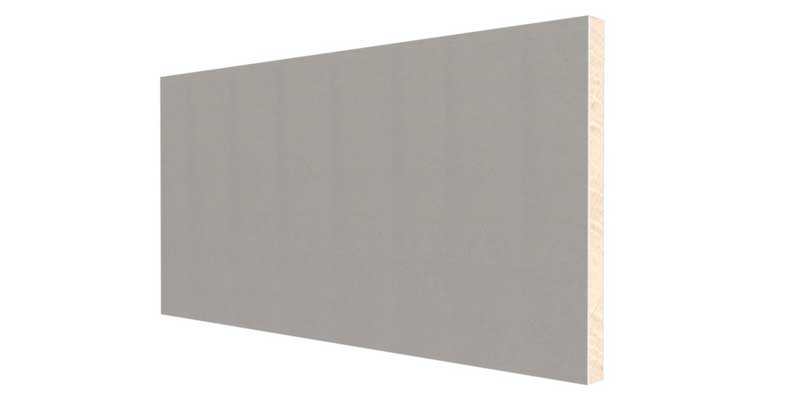
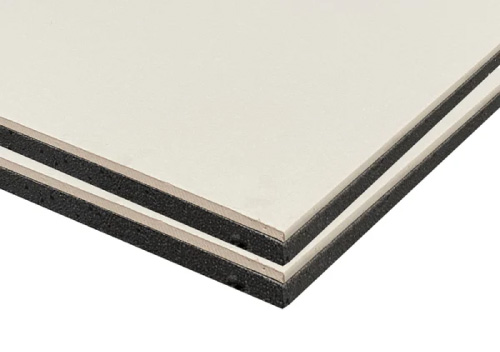
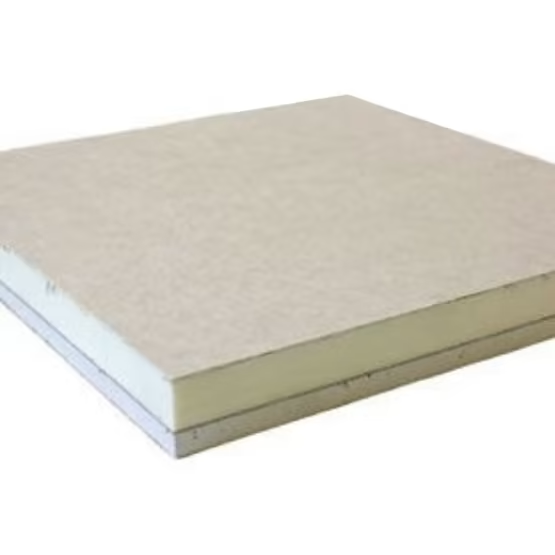
Insulated plasterboard is a building material that combines plasterboard (drywall) with a layer of insulation attached to the back. The insulation layer is usually made from materials such as:

  • Polystyrene

  • Polyisocyanurate (PIR) foam

  • Phenolic foam

The plasterboard part creates a smooth wall surface ready for painting or decorating, while the insulation layer helps prevent heat from escaping through the walls.

  • Internal wall insulation

  • Ceiling insulation

  • Loft conversions

  • Renovation projects

It is widely used in Irish homes because it improves insulation without requiring major structural changes.


Why Insulation Is Important in Ireland

How Insulated Plasterboard Helps Reduce Energy Bills in Ireland

Ireland has a cool and wet climate for most of the year. During autumn and winter, temperatures can drop significantly, and homes often require constant heating.

Without proper insulation, heat escapes through:

  • Walls

  • Roof

  • Floors

  • Windows

Studies show that walls can lose up to 35% of heat in poorly insulated homes. This means the heating system has to work harder, which increases energy bills.

Insulated plasterboard helps reduce this heat loss and improves the overall energy efficiency of a home.


How Insulated Plasterboard Works

Insulated plasterboard works by creating a thermal barrier inside your walls. The insulation layer slows down the movement of heat between the inside and outside of the house.

In winter:

  • Heat stays inside the home

  • Rooms remain warmer for longer

In summer:

  • Heat from outside enters more slowly

  • The house stays cooler

This improved temperature control means you use less energy for heating and cooling.


Lower Heating Bills for Irish Homes

One of the biggest benefits of insulated plasterboard is lower heating costs.

When a home is properly insulated:

  • The heating system runs less often

  • Rooms warm up faster

  • Heat stays inside longer

For many households in Ireland, heating costs are one of the largest expenses during winter. Installing insulated plasterboard can reduce energy use and help homeowners save money every month.

In some cases, good wall insulation can reduce heating costs by 20% to 30% depending on the home’s condition.


Improved Comfort in Your Home

Another major advantage of insulated plasterboard is improved indoor comfort.

Homes with poor insulation often have:

  • Cold walls

  • Drafts

  • Uneven room temperatures

With insulated plasterboard, rooms feel warmer and more comfortable. The walls stay warmer, which helps maintain a stable indoor temperature.

This is especially important for:

  • Older homes in Ireland

  • Houses built before modern insulation standards

By adding insulated plasterboard, these homes can become much more comfortable to live in.


Quick and Easy Installation

Compared to other insulation methods, insulated plasterboard is relatively quick to install.

Builders or insulation specialists can fix the boards directly onto existing walls using adhesive or mechanical fixings.

Benefits of installation include:

  • Minimal disruption to the home

  • Faster renovation projects

  • Less structural work required

This makes insulated plasterboard a popular solution for home upgrades and retrofitting projects in Ireland.


Helps Improve Your Home’s Energy Rating

 This rating shows how energy-efficient a house is.

Better insulation can improve a home’s BER rating. This has several benefits:

  • Lower energy bills

  • Higher property value

  • Easier property sales

Many Irish homeowners upgrade their insulation before selling their property to achieve a better BER rating.

Insulated plasterboard can play an important role in improving a home’s energy performance.


Reduces Moisture and Damp Problems

Ireland’s damp climate can sometimes cause problems like condensation and mold inside homes.

Insulated plasterboard helps reduce these issues by keeping interior wall surfaces warmer. When walls stay warm, condensation is less likely to form.

This can help prevent:

  • Damp walls

  • Mold growth

  • Poor indoor air quality

As a result, insulated plasterboard not only saves energy but also improves the health and comfort of the home.


Suitable for Renovation and Older Homes

How Insulated Plasterboard Helps Reduce Energy Bills in Ireland

Many older houses in Ireland were built before modern insulation standards existed. These homes often lose a lot of heat through the walls.

Insulated plasterboard is an excellent solution for retrofitting insulation in older homes because:

  • It can be installed inside the house

  • It does not change the outside appearance of the building

  • It improves energy efficiency quickly

This makes it ideal for townhouses, apartments, and traditional Irish homes that need insulation upgrades.


Supports Energy Efficiency Goals in Ireland

Ireland is working to reduce carbon emissions and improve energy efficiency in homes. Better insulation is one of the most important steps in achieving this goal.

By installing insulated plasterboard, homeowners can:

  • Reduce energy consumption

  • Lower carbon emissions

  • Support a more sustainable environment

Many insulation upgrades may also qualify for government energy grants, making the installation more affordable.


Conclusion

Insulated plasterboard is a simple but highly effective way to improve home insulation in Ireland. It combines a smooth plasterboard surface with a powerful insulation layer that helps prevent heat loss.

By installing insulated plasterboard, homeowners can enjoy many benefits, including:

  • Lower energy bills

  • Warmer and more comfortable rooms

  • Reduced damp and condensation

  • Improved BER energy rating

  • Increased property value

With energy costs continuing to rise in Ireland, investing in proper insulation is one of the smartest improvements homeowners can make. Insulated plasterboard offers an affordable and practical solution that helps create a warmer, more energy-efficient home.


FAQs

1. What is insulated plasterboard used for?

Insulated plasterboard is used to improve wall insulation in homes. It helps reduce heat loss and improve energy efficiency.

2. Does insulated plasterboard really reduce energy bills?

Yes. By preventing heat from escaping through walls, insulated plasterboard reduces the amount of energy needed to heat a home.

3. Is insulated plasterboard suitable for older homes in Ireland?

Yes. It is commonly used in older homes because it can be installed internally without changing the outside structure.

4. How thick is insulated plasterboard?

The thickness varies depending on the insulation material, but it typically ranges from 25mm to 100mm.

5. Can insulated plasterboard help with damp problems?

Yes. It helps keep wall surfaces warmer, which reduces condensation and lowers the risk of damp and mold.

Open post
Thermal Imaging Cameras for Home Inspections in Ireland

Thermal Imaging Cameras for Home Inspections in Ireland

Homeowners in Ireland are becoming more careful about energy costs, comfort, and building problems. With rising heating bills and older housing stock, many people want to know what is really happening inside their homes. This is where thermal imaging cameras are becoming very useful.

Thermal imaging cameras are now widely used for home inspections in Ireland. They help find problems that cannot be seen with the naked eye, such as heat loss, insulation gaps, damp areas, and electrical issues. This article explains everything in simple English, especially for Irish homeowners, buyers, landlords, and tenants.


1. What Is a Thermal Imaging Camera?

A thermal imaging camera is a special camera that detects heat instead of light. It shows temperature differences on walls, ceilings, floors, and other surfaces using colours.

  • Warm areas usually appear red, orange, or yellow

  • Cold areas appear blue or purple

By looking at these colour differences, inspectors can understand where heat is escaping, where moisture may be present, or where insulation is missing.

Thermal cameras do not see through walls, but they show surface temperature patterns that point to hidden problems.


2. Why Thermal Imaging Is Useful for Home Inspections in Ireland

Ireland has a cool and damp climate, especially in autumn and winter. Many homes are:

  • Older

  • Poorly insulated

  • Affected by damp or draughts

Thermal imaging is very useful in Ireland because it helps identify problems caused by:

  • Heat loss during cold weather

  • Moisture and damp from rain

  • Poor insulation in older buildings

This makes thermal imaging a powerful tool for home inspections across the country.


3. Finding Heat Loss and Poor Insulation

One of the main uses of thermal imaging cameras in Irish homes is finding heat loss.

Thermal imaging can show:

  • Missing or damaged insulation

  • Cold spots in walls or ceilings

  • Heat escaping through roofs

  • Draughts around windows and doors

Many Irish homes lose a lot of heat through:

  • Attics

  • External walls

  • Old windows and doors

By spotting these areas, homeowners can decide where insulation or upgrades are most needed.


4. Helping Reduce Energy Bills

Heating costs are a big concern in Ireland. When heat escapes from a home, the heating system has to work harder.

Thermal imaging helps homeowners:

  • See where energy is being wasted

  • Make smart decisions about insulation

  • Improve home comfort

  • Reduce heating bills

Instead of guessing where the problem is, thermal images give clear visual proof of where improvements are needed.


5. Detecting Damp and Moisture Problems

Damp is a common issue in Irish homes due to:

  • High rainfall

  • Poor ventilation

  • Old building materials

Thermal imaging cameras can help find:

  • Damp walls

  • Water leaks

  • Moisture behind plaster or ceilings

Wet areas often appear cooler than dry areas on a thermal image. This helps inspectors locate moisture without breaking walls or floors.

Early detection of damp can prevent:

  • Mould growth

  • Structural damage

  • Health problems


6. Finding Draughts and Air Leaks

Thermal Imaging Cameras for Home Inspections in Ireland

Draughts make homes uncomfortable and increase heating costs.

Thermal imaging can clearly show:

  • Cold air entering through gaps

  • Leaks around windows and doors

  • Poor sealing around floors or attic hatches

Once these areas are identified, simple fixes like sealing gaps or upgrading doors can make a big difference.


7. Electrical Safety Checks

Thermal imaging cameras are also used to check electrical systems during home inspections.

They can help detect:

  • Overheating electrical connections

  • Faulty wiring

  • Overloaded circuits

Hot spots in electrical panels or sockets may indicate a problem that needs attention. Finding these issues early can help prevent electrical fires and improve home safety.


8. Useful for Home Buyers and Sellers

For Home Buyers

If you are buying a house in Ireland, especially an older one, a thermal imaging inspection can:

  • Reveal hidden problems

  • Help you understand future repair costs

  • Give peace of mind before purchase

For Home Sellers

Sellers can use thermal imaging to:

  • Fix problems before listing

  • Show buyers that the home is well maintained

  • Support a better selling price

Thermal imaging adds value by increasing transparency.


9. Supporting Energy Ratings and Retrofits

Thermal imaging is often used alongside energy assessments and retrofit planning.

It helps:

  • Identify the best areas to insulate

  • Plan upgrades more effectively

  • Check the quality of completed insulation work

After insulation or retrofit work, thermal imaging can confirm that the improvements were installed correctly.


10. When Is the Best Time for Thermal Imaging in Ireland?

Thermal imaging works best when there is a clear temperature difference between inside and outside.

In Ireland, the best times are:

  • Autumn

  • Winter

  • Early spring

Cold weather makes heat loss easier to spot. Inspections are usually done early in the morning or late in the evening for best results.


11. What Thermal Imaging Cannot Do

It is important to understand the limits.

Thermal imaging:

  • Does not see through walls

  • Does not replace a full building survey

  • Cannot always identify the exact cause of a problem

It is best used as part of a full home inspection, not as a standalone solution.


12. Who Should Consider a Thermal Imaging Home Inspection?

Thermal Imaging Cameras for Home Inspections in Ireland

Thermal imaging is helpful for:

  • Homeowners with high energy bills

  • People experiencing damp or mould

  • Buyers of older homes

  • Landlords checking property condition

  • Homeowners planning insulation or retrofits

It is especially useful in older Irish homes built before modern insulation standards.


13. Is Thermal Imaging Worth It for Irish Homes?

For many homeowners in Ireland, the answer is yes.

Benefits include:

  • Clear understanding of home issues

  • Better energy efficiency decisions

  • Long-term savings on heating

  • Improved comfort and safety

Compared to the cost of energy waste or repairs, thermal imaging inspections are often good value.


Conclusion

Thermal imaging cameras have become an important tool for home inspections in Ireland. They help reveal hidden problems like heat loss, damp, draughts, and electrical issues without damaging the home.

In Ireland’s climate, where heating costs and moisture problems are common, thermal imaging gives homeowners real insight into how their homes perform. Whether you are buying, selling, or improving a home, a thermal imaging inspection can help you make smarter, more cost-effective decisions

FAQs

1. What problems can a thermal imaging camera find in a home?

A thermal imaging camera can find heat loss, missing insulation, draughts, damp and moisture areas, and overheating electrical parts that are not visible to the naked eye.


2. Is thermal imaging useful for older homes in Ireland?

Yes. Thermal imaging is especially useful for older Irish homes, which often have poor insulation, draughts, and damp issues due to age and Ireland’s climate.


3. When is the best time to get a thermal imaging home inspection in Ireland?

The best time is during cold weather, usually in autumn or winter, when there is a clear temperature difference between inside and outside the home.


4. Can thermal imaging detect damp and leaks?

Yes. Thermal imaging can help identify damp areas and possible water leaks by showing cooler patches on walls, ceilings, or floors. Further checks may be needed to confirm the cause.


5. Does thermal imaging replace a full home survey?

No. Thermal imaging does not replace a full home survey. It works best as an additional tool alongside a standard building inspection to give more detailed information

Open post
SEAI Home Grants in Dublin, Ireland 2026

SEAI Home Grants in Dublin, Ireland 2026

In 2026, if you live in Dublin or anywhere in Ireland and want to make your home more energy efficient, comfortable and cheaper to run, there’s good news — the Sustainable Energy Authority of Ireland (SEAI) offers a range of home energy grants and supports for homeowners. These grants can help you pay for measures like insulation, renewable heating (e.g., heat pumps), solar panels, and more.

In this article, we explain what these grants are, who can apply, what amounts you can receive, how the process works, and why they help your home and wallet. This guide is aimed at people in Dublin and across Ireland who want clear, easy-to-understand information.


1. What Are SEAI Home Grants?

SEAI home grants are government-supported financial aids that help homeowners and landlords improve the energy efficiency of homes. The aim is to make housing more comfortable, reduce energy bills, and help Ireland reach its climate goals by lowering greenhouse gas emissions.

These grants are available for a wide range of energy upgrades, including:

  • Insulation work (attic, wall, floors)

  • Heating systems upgrades (like heat pumps)

  • Solar PV (solar panels)

  • Heating control upgrades

  • Windows and doors improvements (new grant measure in 2026)

Some schemes cover specific measures one at a time, while others cover a complete upgrade that combines many improvements.


2. Why Apply for SEAI Home Grants?

There are many good reasons to apply for SEAI home grants:

Lower Energy Bills

Better insulation and efficient heating systems can reduce electricity and heating costs every month.

More Comfortable Home

Homes with good insulation stay warmer in winter and cooler in summer.

Higher Home Value

Energy upgrades increase the long-term value of your property.

Help with Climate Goals

By reducing energy use and emissions, Ireland moves closer to national climate targets.

Financial Support

You are getting part of your costs paid for by the government, meaning you don’t have to bear the full expense yourself.


3. Main Home Grant Options in 2026

SEAI Home Grants in Dublin, Ireland 2026

A. Individual Energy Upgrade Grants (Better Energy Homes)

These grants let you upgrade one part of your home at a time. You can choose the specific measure you want, such as:

  • Attic insulation

  • Cavity wall insulation

  • Internal or external wall insulation

  • Solar PV panels

  • Heat pump systems

  • Heating controls

Each measure has a specific grant value which you must check on the SEAI website before starting work. For example, attic insulation grants can be €800–€2,000 depending on changes in 2026 details, and cavity wall insulation can be up to €1,800 or more.

Important: You must get grant approval from SEAI before starting work — otherwise you may lose the grant.

B. National Home Energy Upgrade Scheme (Complete Retrofit)

This option is for full home upgrades — where you combine several measures like insulation, heat pump, windows, doors in one project. If you go for this route, a One Stop Shop provider manages everything: assessment, works, paperwork and grant claims.

The grant is deducted from the total cost upfront, so you pay less to start with. This option is excellent if you want a big improvement in home comfort and energy use.


4. New & Enhanced Grants in 2026

In 2026, the Irish Government expanded and changed some of the SEAI grant offerings:

Windows & Doors Grants

New grants were introduced in 2026 to help homeowners replace old windows and doors with more energy-efficient ones — up to €4,000 for detached homes and smaller amounts for other home types.

Examples:

  • Detached homes: up to €4,000

  • Semi-detached/end of terrace: up to €3,000

  • Mid-terrace homes and apartments: smaller amounts

  • Doors: up to €800 per door, max 2.

Higher Insulation Grants

Grant amounts for attic and cavity wall insulation were increased in 2026 to help more people access them.

Heat Pump Grants

Grants to install new heat pump heating systems were confirmed and remain important as Ireland shifts away from fossil fuel heating.

These changes mean more support and higher grant values for typical home upgrades that improve warmth and energy performance.


5. Special Support – Warmer Homes Scheme

Aside from the main grants, SEAI runs the Warmer Homes Scheme — a programme that provides fully funded energy upgrades to qualifying low-income households.

To be eligible for the Warmer Homes Scheme:

  • You must own and live in your home.

  • Your home must have been built before 2006.

  • You must receive certain qualifying welfare payments such as Fuel Allowance, Job Seekers Allowance with a young child, Working Family Payment, etc.

If eligible, SEAI will survey your home and recommend upgrades — such as insulation, draught proofing, energy-efficient lighting and sometimes renewable heating systems — at no cost to you.

This helps low-income families live in warmer, healthier homes without paying for upgrades themselves.


6. Home Energy Upgrade Loan Scheme

If you want to upgrade your home but need help with upfront funds, the Home Energy Upgrade Loan Scheme helps you borrow money at low interest rates to pay for eligible SEAI energy upgrades.

Key points:

  • Loans from €5,000 to €75,000

  • Term up to 10 years

  • Unsecured loan — no mortgage charge

  • Works must be eligible for SEAI grants

  • At least 75% of the loan must go towards energy upgrades

This loan makes it easier to spread the cost over time while saving money through lower energy bills later.


7. How to Apply for SEAI Home Grants

SEAI Home Grants in Dublin, Ireland 2026

Here’s a simple step-by-step:

Step 1: Check Eligibility

Visit the SEAI website and use the grant checker. Each grant has eligibility criteria, including the age of the home, who owns it, and what type of work is being done.

Step 2: Get a BER Assessment

A Building Energy Rating (BER) shows your home’s energy performance. Some grants require a pre-work and post-work BER.

Step 3: Apply for Grant Approval

Apply online before starting any work. SEAI must approve the grant first.

Step 4: Get Work Done by SEAI-registered Contractor

Choose contractors registered with SEAI to ensure eligibility.

Step 5: Submit Evidence

After the work is done, upload the required certificates to get your grant payment or deduction.


Conclusion

SEAI home grants in 2026 are a valuable way for Dublin and Ireland homeowners to improve their homes, save on energy bills, and reduce carbon emissions. By understanding what grants are available, who can apply, and how the process works, you can make your home warmer, greener, and more cost-effective.

Whether you’re planning a small improvement like attic insulation or a large upgrade with renewable heating and windows, there’s likely financial support available. Start with a grant check online or contact SEAI for advice — your future energy bills could be much lower.

FAQs

1. What are SEAI home grants in Ireland?

SEAI home grants are government supports that help homeowners improve their home’s energy efficiency. These grants can help pay for insulation, heat pumps, solar panels, windows, doors, and other energy-saving upgrades.


2. Who can apply for SEAI home grants in Dublin?

Most homeowners in Dublin can apply if:

  • They own and live in the home

  • The home was built before 2011 (some grants require older homes)

  • The work is done by an SEAI-registered contractor
    Landlords can also apply for certain grants.


3. Do I need approval before starting work?

Yes. You must apply and receive grant approval from Sustainable Energy Authority of Ireland before starting any work. If you start work first, you may lose the right to receive the grant.


4. How much money can I get from SEAI home grants in 2026?

The amount depends on the upgrade:

  • Insulation grants can range from €800 to €8,000+

  • Heat pump grants can be up to €6,500

  • Solar panel grants can be up to €2,400

  • Windows and doors grants can reach €4,000
    Exact amounts depend on your home type and the measures chosen.


5. Is there any help for low-income households?

Yes. The Warmer Homes Scheme provides fully funded energy upgrades for eligible low-income households. If you qualify, you may get insulation and other improvements at no cost.

Open post
SEAI Grant for Gas Boiler Replacement in Ireland

SEAI Grant for Gas Boiler Replacement in Ireland

The Sustainable Energy Authority of Ireland (SEAI) offers home energy grants to help people make their homes warmer and cheaper to heat. These grants are part of the Better Energy Homes Scheme, funded by the Irish Government and managed by SEAI. The idea is to support homeowners with the cost of energy-saving upgrades, reduce energy bills, and lower carbon emissions.

However, when it comes to gas boiler replacement, the rules have changed in recent years, and many people still get confused about what SEAI Grants will or won’t pay for. This article explains the situation in simple terms, who can apply, what support is available, and how to go about claiming a grant.


1. Can You Get a Grant to Replace a Gas Boiler? The Current SEAI Position

As of 2026, SEAI does not offer grants for buying or replacing traditional fossil-fuel boilers alone — that includes gas and oil boilers. This means if your old gas boiler breaks and you just want to swap it for a new one, SEAI will not pay for that entire boiler replacement by itself.

SEAI’s focus now is on energy efficiency and moving away from fossil fuels. If your goal is simply to replace one gas boiler with another, there isn’t a direct grant for that under SEAI schemes.


2. What Support Is Available? Heating Controls Grant

Although boiler replacement on its own isn’t funded, SEAI does provide a grant for heating controls that make your heating system work better. This includes things like better thermostats, smart heating control systems, and upgrades that help reduce wasted energy.

  • Heating Controls Grant: Around €700
    This support is available whether or not you also have a high-efficiency boiler installed.

Although this grant doesn’t cover a full boiler replacement, it can help you reduce your heating bills and get more out of your current system while you plan longer-term upgrades.


3. When the Boiler Replacement Is Funded — Through Heat Pump Grants


SEAI Grant for Gas Boiler Replacement in Ireland

SEAI does offer generous grants if you’re replacing a fossil-fuel boiler with a heat pump — a renewable heating system that uses air or ground energy to heat your home. These grants are much larger and can go up to several thousand euros, especially when combined with related energy upgrades.

For example, under the Heat Pump System Grant:

  • You can receive up to €12,500 in total for a heat pump installation.

  • This includes a Renewable Heat Bonus Grant of up to €4,000 for swapping out your old fossil fuel boiler for a heat pump.

This doesn’t mean you have to replace your boiler with a heat pump — older systems still work — but the SEAI support is structured to encourage greener, more efficient heating.


4. What Are the Rules? Who Can Apply?

To be eligible for SEAI grants (whether heating controls or heat pumps), there are some general requirements you must meet:

✔ You Must Own Your Home

You need to be the homeowner — tenants can’t usually apply directly.

✔ Use SEAI-Registered Contractors

All work related to SEAI grants must be carried out by contractors who are on the SEAI registered list.

✔ Apply Before the Work Begins

You must get grant approval before you start any work. SEAI won’t pay if you begin projects before grant approval.

✔ BER Assessment Requirements

After the work is done, you usually must have a Building Energy Rating (BER) assessment submitted to SEAI to confirm the improvement in energy performance.

✔ Your Home’s Age and Condition Matter

For some grants (especially heat pumps), your home must meet minimum standards — for example, having sufficient insulation or a certain BER level first.


5. How the SEAI Grant Process Works

Getting a grant from SEAI involves a few steps:

Step 1: Choose SEAI Contractor

Select a contractor from the SEAI list. This is important because only registered contractors can do grant-approved work.

Step 2: Apply Online

Apply through SEAI’s online portal — you will need:

  • Your property’s MPRN number (from your electricity bill)

  • Details of the work to be done

  • The contractor’s details

Step 3: Get Grant Approval

Wait for SEAI to approve your application before any work starts.

Step 4: Work is Completed

Your contractor completes the work.

Step 5: Final Documents and BER

Submit the final signed forms and, if required, a BER certificate.

Step 6: Get Paid

Once everything is checked and approved, SEAI pays the grant directly to you or your contractor.

SEAI grants typically have an 8-month validity period, so plan ahead and don’t delay the work once approved.


6. Why It’s Important to Know This

Many homeowners think there’s a big grant to replace old gas boilers, and a lot of companies say this too. But SEAI’s current rule is clear: the focus is on upgrading controls and on renewable heating systems like heat pumps, not just replacing a fossil-fuel boiler.

That means:

  • If you just want a new boiler — SEAI can help with controls, but not the full boiler cost.

  • If you want to switch heat systems — heat pump grants can be substantial.

  • Your existing boiler can still be part of the plan while you work toward greener heating.


7. Tips for Homeowners in Ireland

SEAI Grant for Gas Boiler Replacement in Ireland

Here are some helpful tips if you are thinking about a boiler replacement or energy upgrade:

📍 Get Expert Advice

Talk to a SEAI registered contractor early on. They can tell you what grants apply to your home and help with the application.

📍 Plan for Energy Efficiency

Upgrade insulation and heating controls first — this can make your home more efficient and maximise the benefit of larger grants like a heat pump installation.

📍 Check Eligibility Before You Spend

Never start work or buy equipment before SEAI approval. If you do, the grant might be refused.

📍 BER Assessment is Essential

Do a BER assessment both before and after improvements — without it, you may not get paid.


Conclusion

In simple English: SEAI grants today don’t directly pay for a new gas boiler, but they do support improvements that make your home warmer and cheaper to heat. You can get money toward heating controls and much larger funding if you choose a renewable heating system, like a heat pump, instead of a fossil-fuel boiler.

FAQs

1. Is there an SEAI grant to replace my old gas boiler with a new one?

No. SEAI does not give a grant to replace an old gas boiler with another gas boiler. Grants are no longer available for like-for-like fossil fuel boiler replacements. SEAI now focuses on energy efficiency and renewable heating instead.


2. Can I get any SEAI help if I keep my gas boiler?

Yes. You can still get an SEAI grant for heating controls, such as smart thermostats, time and temperature controls, and zoning systems. This grant is usually up to €700 and helps your heating system run more efficiently and reduce gas bills.


3. What grant is available if I replace my gas boiler with a heat pump?

If you replace your gas boiler with a heat pump, SEAI offers much larger grants. Depending on the system, you can receive up to €12,500, including a bonus for removing a fossil fuel boiler. This support is aimed at reducing carbon emissions and long-term energy costs.


4. Do I need to apply for the SEAI grant before starting work?

Yes. You must apply and receive approval from SEAI before any work starts. If you begin the installation or buy equipment before approval, you will not qualify for the grant.


5. Do I need a BER assessment to get an SEAI grant?

In most cases, yes. A Building Energy Rating (BER) assessment is required after the work is completed, and sometimes before work begins. The BER confirms that your home’s energy efficiency has improved and is a key part of the grant process.

Home Insulation Grants in Dublin, Ireland 2026

Home insulation grants help homeowners in Dublin and across Ireland make their homes warmer, more comfortable, and cheaper to heat. In 2026, these grants continue to play a very important role as energy costs remain high and Ireland works towards climate goals. Many homes in Dublin are older and lose heat easily, so insulation upgrades can make a big difference.

This guide explains home insulation grants in simple terms. It covers what grants are available, who can apply, what work is covered, and how Dublin homeowners can benefit in 2026.


What Are Home Insulation Grants?

Home insulation grants are financial supports provided by the Irish government through the Sustainable Energy Authority of Ireland (SEAI). These grants help pay for insulation upgrades that reduce heat loss and improve energy efficiency.

Insulating your home means less heat escapes through the walls, roof, floors, and attic. This leads to:

  • Lower energy bills

  • A warmer home

  • Less reliance on fossil fuels

  • A better Building Energy Rating (BER)

In Dublin, where many homes were built before modern insulation standards, these grants are especially useful.


Who Provides Insulation Grants in Ireland?

Home Insulation Grants in Dublin, Ireland 2026

In 2026, insulation grants are mainly provided by:

  • SEAI (Sustainable Energy Authority of Ireland)

SEAI runs different schemes depending on income level and home type. These schemes apply in Dublin and all other counties in Ireland.


Types of Home Insulation Grants Available in 2026

1. SEAI Individual Home Energy Upgrade Grants

These grants are for homeowners who want to upgrade their home step by step. You can choose one or more insulation measures.

Common insulation grants include:

  • Attic insulation

  • Cavity wall insulation

  • Internal wall insulation

  • External wall insulation

  • Floor insulation

This scheme is popular in Dublin because it allows flexibility and does not require a full home retrofit.


2. SEAI One Stop Shop Scheme

The One Stop Shop scheme is for homeowners who want a full home upgrade. It covers:

  • Insulation

  • Heating systems

  • Ventilation

  • BER assessment

  • Project management

This scheme is ideal if you want to bring your home to a high energy standard, such as BER B2 or better. Many Dublin homeowners choose this option for older houses and period homes.


3. Fully Funded Energy Upgrades (Warmer Homes Scheme)

This scheme is for homeowners on certain social welfare payments. If eligible, you may receive free insulation upgrades, including:

  • Attic insulation

  • Wall insulation

  • Draught proofing

This scheme is very important for tackling energy poverty in Dublin, especially in older housing estates.


What Insulation Works Are Covered?

In 2026, SEAI grants cover several types of insulation:

Attic Insulation

Attic insulation is one of the most cost-effective upgrades. Heat rises, and a poorly insulated attic can lose up to 30% of heat.

Most Dublin homes qualify for attic insulation grants.


Wall Insulation

Wall insulation depends on the type of wall:

  • Cavity walls (common in homes built after the 1980s)

  • Solid walls (common in older Dublin homes)

Solid wall insulation can be internal or external and usually qualifies for higher grant amounts.


Floor Insulation

Floor insulation helps reduce cold draughts and heat loss, especially in ground-floor rooms. This is useful for older homes with suspended timber floors.


How Much Are the Grants Worth?

Grant amounts can change, but in 2026 typical insulation grant values are expected to be similar to recent years.

Examples (approximate):

  • Attic insulation: up to €1,500

  • Cavity wall insulation: up to €1,700

  • Internal wall insulation: up to €4,500

  • External wall insulation: up to €8,000

  • Floor insulation: up to €3,500

Actual amounts depend on:

  • Home size

  • Insulation type

  • Scheme used


Who Can Apply in Dublin?

Most homeowners in Dublin can apply if:

  • The home was built before a certain year (usually before 2011)

  • You are the homeowner

  • The work is carried out by an SEAI-registered contractor

Landlords and rental property owners may also qualify under certain conditions.

Apartments, houses, and bungalows in Dublin are all eligible, though apartment insulation rules can be more complex.


Why Insulation Is Important in Dublin

Home Insulation Grants in Dublin, Ireland 2026

Dublin has a large number of:

  • Older terraced houses

  • Semi-detached homes

  • Apartments built before modern insulation rules

Many of these homes suffer from:

  • Cold rooms

  • Damp problems

  • High heating bills

Insulation upgrades help fix these problems while increasing property value. With Dublin house prices high, improving energy efficiency is a smart long-term investment.


The Application Process

The process in 2026 is expected to remain simple:

  1. Check eligibility on the SEAI website

  2. Choose a registered contractor

  3. Apply for the grant before work starts

  4. Complete the insulation work

  5. Submit documents and receive payment

For One Stop Shop projects, the provider usually manages most of the paperwork.


BER and Energy Ratings

After insulation work, your home’s Building Energy Rating (BER) usually improves. A better BER:

  • Makes your home more comfortable

  • Lowers running costs

  • Increases resale value

  • Makes the home more attractive to buyers and renters

In Dublin’s competitive property market, a good BER can be a major advantage.


Common Mistakes to Avoid

  • Starting work before grant approval

  • Using non-registered contractors

  • Not upgrading ventilation when insulating

  • Choosing the cheapest option without advice

Always get professional guidance before starting insulation work.


Conclusion

Home insulation grants in Dublin in 2026 offer a great opportunity to improve comfort, reduce energy bills, and protect the environment. Whether you live in a small terraced house or a larger family home, insulation can make a real difference.

With government support through SEAI, upgrading your home is more affordable than ever. Taking action now helps future-proof your home, especially as energy standards continue to rise in Ireland

FAQs

1. Who can apply for home insulation grants in Dublin?

Most homeowners in Dublin can apply if their home was built before 2011 and the work is done by an SEAI-registered contractor. Some schemes are also available for landlords and people on social welfare payments.


2. Do I need to pay upfront for insulation work?

Yes, in most cases you pay the contractor first and receive the grant back after the work is completed. However, under the fully funded Warmer Homes Scheme, eligible homeowners may not have to pay anything upfront.


3. Can I apply for more than one insulation grant?

Yes. You can apply for multiple insulation grants, such as attic and wall insulation, as long as you apply before the work starts and meet SEAI requirements.


4. How long does it take to receive the grant payment?

Grant payments are usually processed within a few weeks after all documents are submitted. Delays can happen if paperwork is missing or incorrect.


5. Is a BER assessment required after insulation work?

A BER assessment is often recommended and may be required for certain schemes, especially full home upgrades. A better BER can increase your home’s value and lower energy bills.

Posts navigation

1 2 3 4 5 6 7