
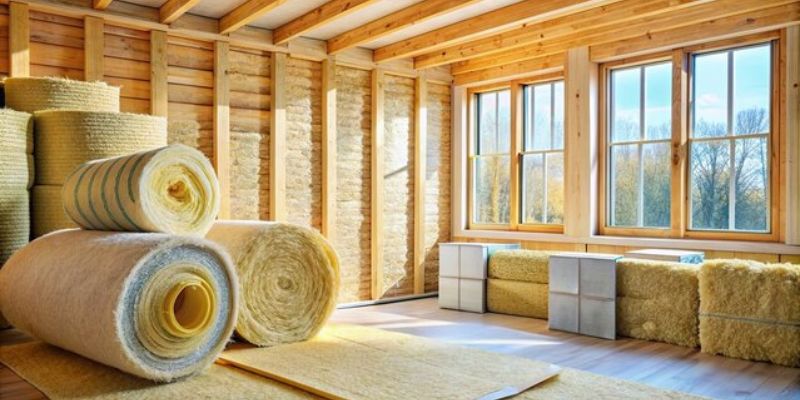
In 2026, many homeowners in Ireland can get financial help to insulate their homes. The Irish government, through the Sustainable Energy Authority of Ireland (SEAI), offers grants to improve energy efficiency. These grants help reduce heating costs, make homes warmer, and protect the environment.
This article explains the main insulation grants available in Ireland, who can apply, how much money you can get, and how to apply.
Why Insulation is Important
Insulation helps keep heat inside your home. Without proper insulation, a lot of heat escapes through the roof, walls, and floors. This means higher energy bills and a colder home.
In Ireland, many homes are older and not well insulated. Adding insulation can:
- Reduce heating costs
- Improve comfort
- Increase property value
- Lower carbon emissions
Because of these benefits, the government supports homeowners with grants.
Main Grant Provider in Ireland
The main organisation offering insulation grants is the Sustainable Energy Authority of Ireland (SEAI).
SEAI provides different types of home energy grants, including:
- Attic insulation grants
- Wall insulation grants
- Floor insulation grants
- Full home upgrade grants
These grants are part of Ireland’s plan to make homes more energy-efficient by 2030.
Types of Insulation Grants Available
1. Attic Insulation Grants
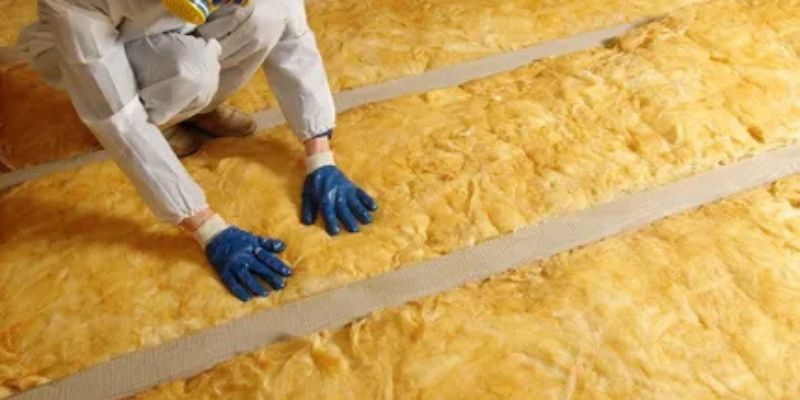
Attic insulation is one of the cheapest and most effective upgrades.
According to SEAI:
- Detached house: up to €2,000
- Semi-detached house: up to €1,500
- Mid-terrace house: up to €1,400
- Apartments: up to €1,100
Some homeowners, such as first-time buyers or those on welfare, can receive up to €2,500.
Attic insulation can reduce heat loss significantly and improve comfort quickly.
2. Wall Insulation Grants
Walls are another major source of heat loss. SEAI offers grants for different types of wall insulation:
Cavity Wall Insulation
- Up to €1,800 for detached homes
- Lower amounts for smaller homes
Internal Wall Insulation (Dry Lining)
- Up to €4,500
External Wall Insulation
- Up to €8,000 for detached houses
These grants depend on the type and size of your home.
Wall insulation is more expensive than attic insulation, but it gives long-term savings.
3. Floor Insulation Grants
Floor insulation is also supported under SEAI schemes. It helps prevent heat loss through the ground and improves comfort, especially in older homes.
Although exact grant values vary, floor insulation is often included in larger upgrade packages.
4. Full Home Energy Upgrade (One Stop Shop)
If you want to upgrade your entire home, you can apply for a full retrofit.
This includes:
- Insulation (attic, walls, floors)
- Heating system upgrades
- Windows and doors
The goal is to reach a BER rating of B2 or higher.
A “One Stop Shop” service manages everything for you, including the grant application and work.
5. Fully Funded Grants (Warmer Homes Scheme)
If you are on certain social welfare payments, you may qualify for free insulation upgrades.
This scheme includes:
- Free attic insulation
- Free wall insulation
- Heating improvements
It is designed for low-income households and can cover 100% of costs.
New Updates for 2026
In 2026, the Irish government has improved many grants:
- Higher grant amounts for attic and wall insulation
- More eligibility for second insulation upgrades
- New grants for windows and doors
These changes are part of Ireland’s National Retrofit Plan.
This means now is a great time to upgrade your home.
Who Can Apply?
You can apply for insulation grants if:
- You own your home
- Your home was built before 2011
- You have an electricity connection (MPRN)
Grants are available for:
- Homeowners
- Landlords
- First-time buyers
- Some businesses and charities
However, you cannot get a grant for the same work twice on the same property.
How to Apply for Insulation Grants
The application process is simple:
Step 1: Choose Your Upgrade
Decide what type of insulation you need (attic, wall, etc.).
Step 2: Find a Registered Contractor
You must use an SEAI-approved contractor.
Step 3: Apply for the Grant
Apply online through the SEAI website. You must get approval before starting work.
Step 4: Complete the Work
The contractor completes the insulation work.
Step 5: Get a BER Assessment
A Building Energy Rating (BER) check is required after the work.
Step 6: Receive Payment
The grant is paid after all documents are submitted.
In some cases, the grant is deducted directly from the cost if you use a One Stop Shop.
Benefits of Insulation Grants
Getting an insulation grant offers many advantages:
Lower Energy Bills
Insulated homes use less energy, saving money every month.
Better Comfort
Your home stays warmer in winter and cooler in summer.
Increased Property Value
Energy-efficient homes are more attractive to buyers.
Environmental Benefits
Less energy use means lower carbon emissions.
Things to Consider
Before applying, keep these points in mind:
- You must get approval before starting work
- Use only SEAI-registered contractors
- Keep all documents and receipts
- Some grants require full insulation (not partial work)
- Work must be completed within the allowed time
Also, prices can vary depending on your home size and condition.
Conclusion
In 2026, Ireland offers strong support for home insulation through SEAI grants. Whether you want to insulate your attic, walls, or your entire home, there are many options available.
With rising energy costs, these grants can help you save money, improve comfort, and make your home more energy-efficient.
If you are a homeowner in Ireland, now is the perfect time to take advantage of these grants and upgrade your home.
FAQs
1. Can I get free insulation in Ireland?
Yes, if you qualify for the Warmer Homes Scheme, insulation may be fully funded.
2. Do I need to pay upfront?
In many cases, yes. But with One Stop Shop services, the grant is deducted from the cost.
3. How long does it take to get the grant?
Usually 4–6 weeks after completing the work and submitting documents.
4. Can landlords apply for insulation grants?
Yes, landlords can apply for certain SEAI grants.
5. Is insulation worth it in Ireland?
Yes, it reduces energy bills and improves comfort, especially in older homes