
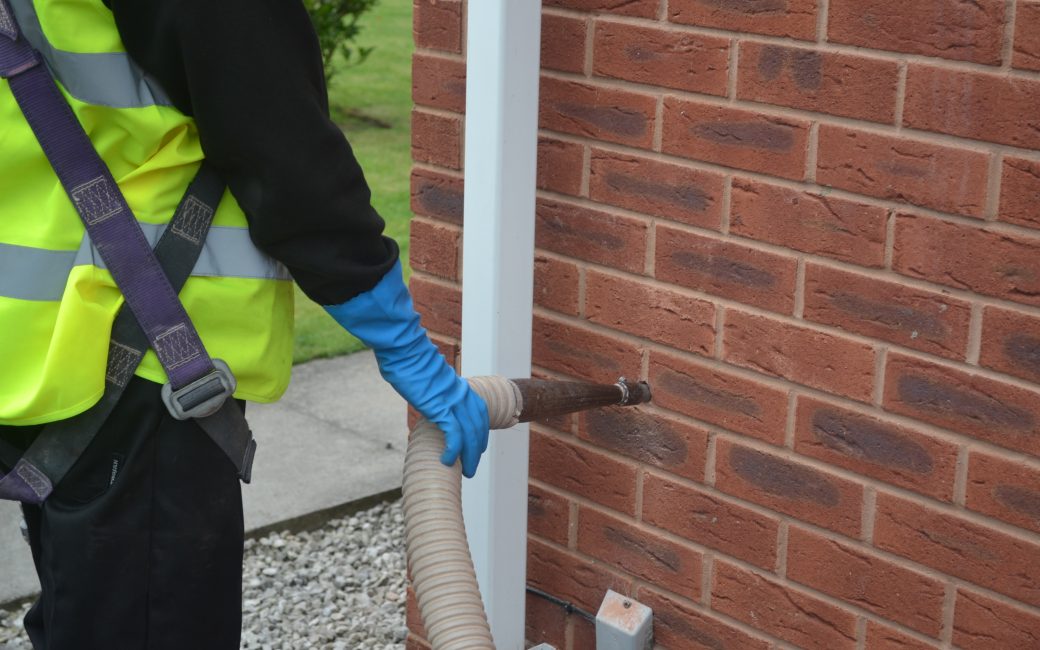
Cavity wall insulation is one of the best ways to make your home warmer and reduce energy bills in Ireland. In 2026, the Irish government is offering helpful grants to support homeowners through the Sustainable Energy Authority of Ireland. These grants make insulation more affordable and encourage people to improve their homes.
In this article, we will explain what cavity wall insulation is, how the grant works in 2026, who can apply, and how you can benefit from it.
What is Cavity Wall Insulation?
Many homes in Ireland, especially those built after the 1920s, have cavity walls. These walls have two layers with a gap (called a cavity) between them. This gap can cause heat to escape, making your home cold and increasing heating costs.
Cavity wall insulation fills this gap with special materials. This helps to:
- Keep heat inside your home
- Reduce energy bills
- Improve comfort
- Lower carbon emissions
It is one of the easiest and quickest insulation upgrades you can make.
What is the Cavity Wall Insulation Grant 2026?
The Irish government provides financial support through the Better Energy Homes Scheme. In 2026, grant amounts have increased, making it a great time to upgrade your home.
According to official information, the grant for cavity wall insulation is:
- Detached house: up to €1,800
- Semi-detached or end-terrace: up to €1,300
- Mid-terrace house: up to €850
- Apartment: up to €700
If you are on qualifying welfare payments, you can get even higher support:
- Up to €2,300 for detached homes
- Higher rates for other property types as well
These grants can cover a large part of the cost, sometimes up to 80% of the total price .
What’s New in 2026?
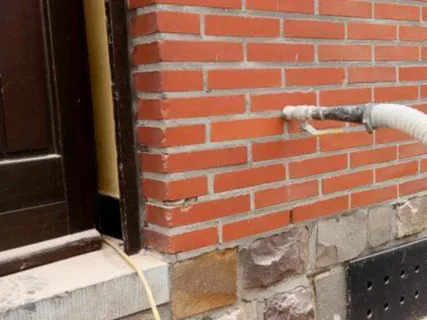
The year 2026 brings some important changes to insulation grants in Ireland:
1. Increased Grant Amounts
Grant values have been increased slightly for cavity wall insulation, making upgrades more affordable .
2. Higher Support for Low-Income Households
People receiving certain welfare payments can now get higher fixed grants, helping reduce energy poverty .
3. Second Wall Insulation Grant
From March 2026, homeowners who already received a wall insulation grant can apply again for another wall upgrade .
This is a big change because previously you could only claim once.
Who Can Apply?
To qualify for the cavity wall insulation grant in Ireland, you must meet some conditions:
- You must own the home
- The home must be built and occupied before 2011
- You must use an SEAI-registered contractor
- You must apply for the grant before starting the work
Both homeowners and landlords can apply. In some cases, first-time buyers and low-income households may receive additional support.
How to Apply for the Grant
Applying for the grant is simple if you follow these steps:
Step 1: Check Eligibility
Visit the SEAI website and confirm that your home qualifies.
Step 2: Choose a Registered Contractor
You must hire a contractor approved by SEAI to carry out the work.
Step 3: Apply Online
Submit your application before starting any work.
Step 4: Complete the Work
Once approved, the contractor will install the insulation.
Step 5: Get Paid
After the work is finished and inspected, the grant is paid to you or deducted from the cost.
Alternatively, you can use a One Stop Shop service, where a company manages everything for you, including the grant process .
Benefits of Cavity Wall Insulation
Installing cavity wall insulation offers many benefits:
1. Lower Energy Bills
You can save hundreds of euros each year on heating costs.
2. Better Comfort
Your home will stay warmer in winter and cooler in summer.
3. Quick Installation
Most cavity wall insulation jobs are completed in one day.
4. Environment Friendly
It reduces carbon emissions and helps Ireland meet climate goals.
5. Increased Property Value
Energy-efficient homes are more attractive to buyers.
How Much Does It Cost?
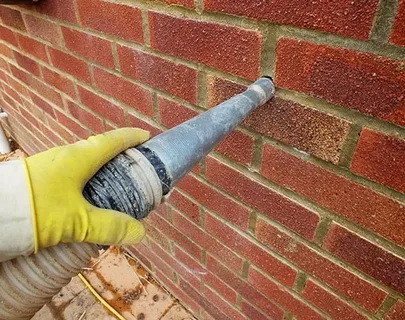
The typical cost of cavity wall insulation in Ireland is:
- Around €1,500 to €3,000 depending on the house size
After applying the grant, your cost could be much lower:
- Sometimes as low as €600–€1,300 for a semi-detached home
In some cases, especially with higher grants, most of the cost may be covered.
Is Your Home Suitable?
Not all homes are suitable for cavity wall insulation. It works best if:
- Your home has cavity walls
- The cavity is clean and not blocked
- The walls are in good condition
A professional survey is usually done before installation to check suitability.
Tips Before Applying
Here are some useful tips:
- Always apply before starting work
- Compare quotes from different contractors
- Combine insulation with attic insulation for better results
- Check if you qualify for higher grants
- Consider a full home energy upgrade for maximum savings
Conclusion
The cavity wall insulation grant in Ireland for 2026 is a great opportunity for homeowners. With increased funding, better support for low-income households, and new rules allowing second applications, it has never been a better time to insulate your home.
Cavity wall insulation is a simple upgrade that delivers real results. It helps you save money, stay warm, and protect the environment.
If you are planning to improve your home, this grant can make a big difference. Start by checking your eligibility and take the first step toward a warmer, more energy-efficient home.
FAQs
1. How much grant can I get for cavity wall insulation in 2026?
You can get up to €1,800 for detached homes, or up to €2,300 if you qualify for higher support.
2. Can I apply if I already received a wall insulation grant?
Yes, from March 2026 you can apply for a second wall insulation grant.
3. Do I need planning permission?
No, cavity wall insulation usually does not require planning permission.
4. How long does installation take?
Most jobs are completed within one day.
5. Is cavity wall insulation worth it?
Yes, it reduces energy bills, improves comfort, and increases your home’s value.