
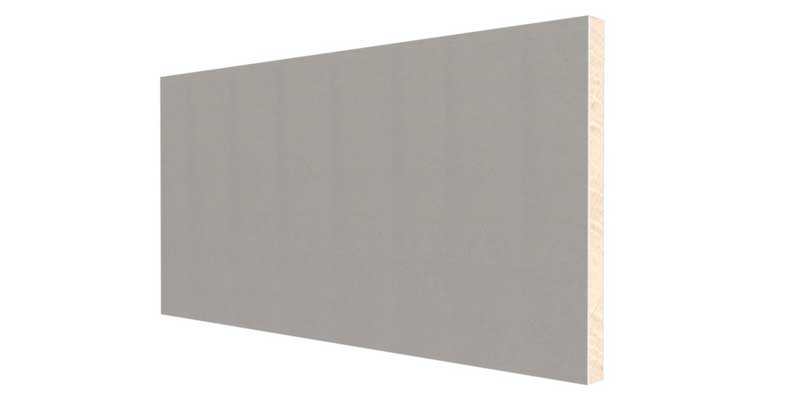
Insulated plasterboard is becoming very popular in Ireland. Many homeowners are using it to improve energy efficiency, reduce heat loss, and make their homes more comfortable. With rising energy costs and a strong focus on sustainability, choosing the right insulated plasterboard is more important than ever.
In this simple guide, we will explain what insulated plasterboard is, its benefits, types, and how to choose the best option for your home in Ireland.
What is Insulated Plasterboard?
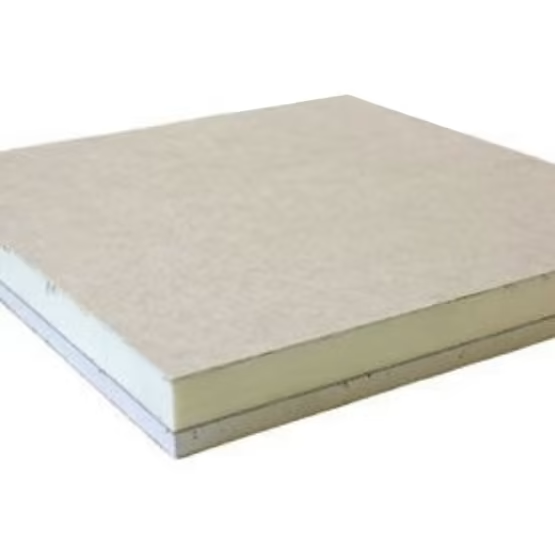
Insulated plasterboard is a building material that combines standard plasterboard with insulation. It usually has a layer of insulation material, such as foam or mineral wool, attached to the back of the plasterboard.
This makes it a great solution for improving thermal performance in walls and ceilings without needing large construction work.
Why Use Insulated Plasterboard in Ireland?
Ireland has a cool and damp climate, so keeping homes warm is very important. Insulated plasterboard helps in many ways:
1. Better Energy Efficiency
It reduces heat loss through walls and ceilings. This means your home stays warmer for longer.
2. Lower Energy Bills
By keeping heat inside, you use less heating, which helps reduce electricity or gas bills.
3. Easy Installation
Compared to other insulation methods, insulated plasterboard is quicker and easier to install.
4. Improved Comfort
It keeps rooms warm in winter and can also help keep them cooler in summer.
5. Space Saving
Unlike thick insulation systems, insulated plasterboard is relatively thin, so it saves space.
Types of Insulated Plasterboard
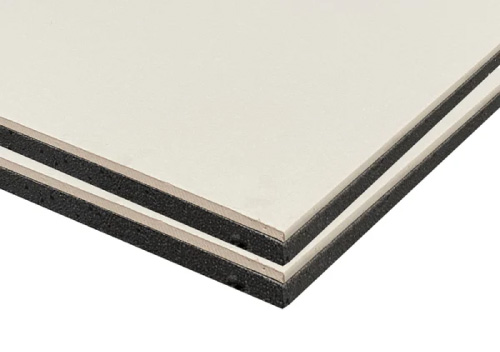
There are different types available in Ireland. Choosing the right one depends on your needs.
1. PIR Insulated Plasterboard
This is one of the most common types. It uses rigid foam insulation (PIR), which has excellent thermal performance.
Best for: Maximum insulation with thinner boards.
2. EPS Insulated Plasterboard
EPS (expanded polystyrene) is a more affordable option.
Best for: Budget-friendly insulation projects.
3. Mineral Wool Insulated Plasterboard
This type offers good soundproofing along with insulation.
Best for: Reducing noise as well as heat loss.
Where Can You Use Insulated Plasterboard?
You can use insulated plasterboard in many areas of your home:
- Internal walls
- External walls (inside surface)
- Ceilings
- Attics
- Garages
It is especially useful in older Irish homes that may not have proper insulation.
Key Factors to Consider When Choosing
Choosing the right insulated plasterboard is important for getting the best results. Here are some key things to consider:
1. Thermal Performance (U-Value)
The U-value shows how well the material prevents heat loss. A lower U-value means better insulation.
In Ireland, building regulations require good thermal performance, so always check this before buying.
2. Thickness of the Board
Thicker boards usually provide better insulation, but they also take up more space.
If space is limited, choose high-performance insulation like PIR, which works well even in thinner boards.
3. Cost and Budget
Prices can vary depending on the type and thickness.
- EPS boards are cheaper
- PIR boards are more expensive but more efficient
Think about long-term savings on energy bills when making your decision.
4. Moisture Resistance
Ireland’s climate can be damp, so moisture resistance is important.
Choose boards that are designed to handle humidity, especially for kitchens, bathrooms, or external walls.
5. Fire Safety
Make sure the plasterboard meets Irish safety standards. Fire-resistant options are available and are recommended for added protection.
6. Installation Method
There are different ways to install insulated plasterboard:
- Dot and dab method (adhesive fixing)
- Mechanical fixing (screws and fixings)
Professional installation is recommended for the best results.
Insulated Plasterboard for Renovation vs New Builds
Renovation Projects
Insulated plasterboard is perfect for upgrading older homes in Ireland. It can be added to existing walls to improve insulation without major changes.
New Builds
In new homes, it can be used along with other insulation systems to meet modern energy standards.
Grants and Support in Ireland
Homeowners in Ireland may be able to get financial support for insulation upgrades. These grants can help reduce the cost of installing insulated plasterboard.
Check for available home energy grants that support insulation improvements, especially if you are upgrading an older property.
Common Mistakes to Avoid
When choosing insulated plasterboard, avoid these common mistakes:
- Choosing the cheapest option without checking quality
- Ignoring U-value and thermal performance
- Not considering moisture resistance
- Poor installation
- Not checking building regulations
Making the right choice will save you money and improve comfort in the long run.
Tips for Getting the Best Results
- Always measure your space carefully
- Consult a professional installer
- Compare different products before buying
- Check energy ratings and certifications
- Combine with other insulation methods if needed
Conclusion
Choosing the right insulated plasterboard in Ireland is a smart investment for your home. It helps reduce heat loss, lower energy bills, and improve overall comfort.
With different types available, it is important to consider factors like thermal performance, thickness, cost, and moisture resistance. Whether you are renovating an old home or building a new one, insulated plasterboard can make a big difference.
By making the right choice, you can enjoy a warmer, more energy-efficient home all year round.
FAQs
1. What is the best insulated plasterboard in Ireland?
PIR insulated plasterboard is often considered the best because it provides high insulation with less thickness.
2. Is insulated plasterboard worth it?
Yes, it helps reduce energy bills and makes your home more comfortable.
3. Can I install insulated plasterboard myself?
It is possible, but professional installation is recommended for best results.
4. How much does insulated plasterboard cost in Ireland?
The cost depends on type and thickness, but it is generally affordable with long-term savings.
5. Does insulated plasterboard reduce damp?
It can help reduce condensation, but proper ventilation is also important.