
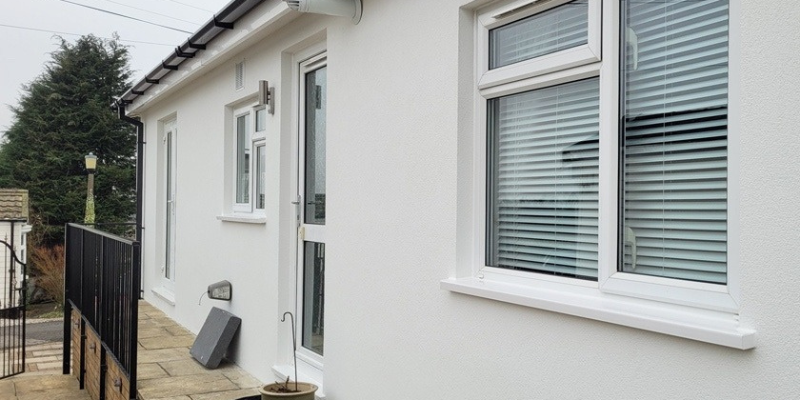
A home energy assessment is one of the best ways to understand how energy-efficient your home is and how you can improve it. In Ireland, especially with rising energy costs, more homeowners are choosing energy assessments to reduce bills and make their homes warmer and more comfortable.
This guide explains everything about home energy assessments in Ireland in 2026 in simple English.
What Is a Home Energy Assessment?
A home energy assessment is a professional check of your house to see how much energy it uses and where heat is being lost. It is usually carried out by a registered energy assessor.
The result of the assessment is a BER (Building Energy Rating), which shows how energy-efficient your home is.
- Ratings go from A (very efficient) to G (least efficient)
- A better rating means lower energy bills and a warmer home
Why Home Energy Assessments Are Important
In Ireland’s cold and damp climate, homes can lose a lot of heat. An energy assessment helps you:
- Identify heat loss areas
- Reduce heating costs
- Improve comfort
- Increase property value
- Qualify for government grants
It is also required when selling or renting a property in Ireland.
What Happens During an Energy Assessment?
A professional assessor visits your home and checks different areas.
1. Insulation Check
They inspect:
- Attic insulation
- Wall insulation
- Floor insulation
2. Heating System Review
They check:
- Boiler efficiency
- Heating controls
- Radiators
3. Windows and Doors
They look for:
- Heat loss
- Draughts
- Double or single glazing
4. Ventilation
Proper airflow is important to prevent damp and mould.
5. Energy Usage
They assess how much energy your home uses overall.
After the inspection, you receive a report with your BER rating and recommendations.
What Is a BER Certificate?
A BER Certificate shows how energy-efficient your home is. It includes:
- Energy rating (A to G)
- Estimated energy use
- Carbon emissions
- Recommendations for improvement
The BER is valid for 10 years unless major upgrades are done.
Cost of Home Energy Assessment in Ireland
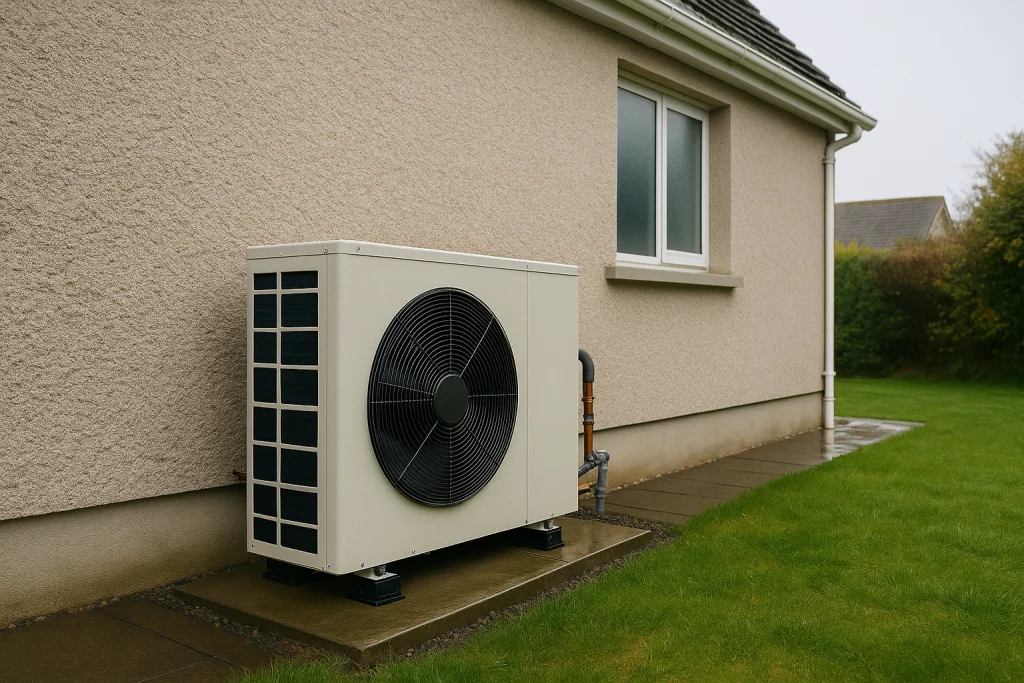
The cost of a BER assessment in 2026 depends on your home size and location.
Typical prices:
- Apartments: €120 – €180
- Small houses: €150 – €250
- Large homes: €250 – €400
Prices may vary in Dublin and other cities.
SEAI Grants for Energy Assessments
The Sustainable Energy Authority of Ireland (SEAI) offers support to homeowners.
1. One Stop Shop Service
This includes:
- Home energy assessment
- Grant management
- Full home upgrade plan
You don’t need to manage everything yourself.
2. Better Energy Homes Scheme
While this scheme mainly funds upgrades, some providers include assessments as part of the process.
3. Fully Funded Energy Upgrades
Under the Warmer Homes Scheme:
- Eligible homeowners get free energy assessments
- Full upgrades are also provided at no cost
Types of Energy Assessments in Ireland
1. Standard BER Assessment
- Basic evaluation
- Required for property sale or rent
- Provides general recommendations
2. Detailed Home Energy Audit
A more advanced assessment that includes:
- Heat loss calculations
- Upgrade planning
- Cost estimates
This is ideal if you want major improvements.
3. One Stop Shop Assessment
This is a complete service where:
- Assessment
- Grant application
- Installation
are all handled by one company.
Benefits of a Home Energy Assessment
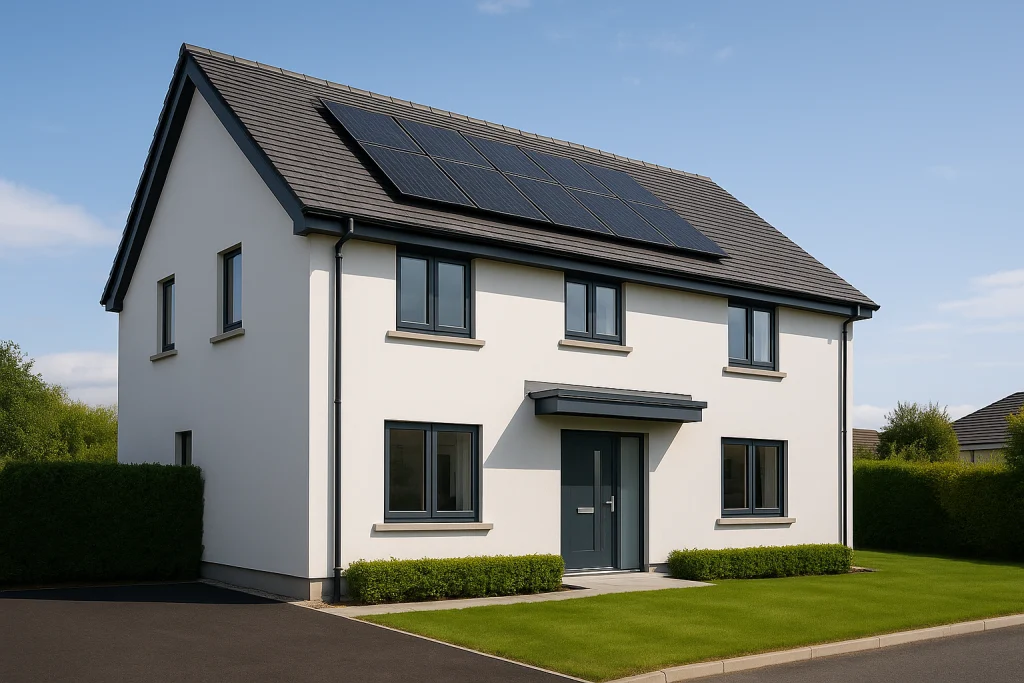
1. Lower Energy Bills
You can save money by fixing problem areas.
2. Better Comfort
Your home stays warmer in winter and cooler in summer.
3. Access to Grants
You need an assessment to apply for many SEAI grants.
4. Higher Property Value
Homes with good BER ratings sell faster and at higher prices.
5. Environmental Benefits
Reduced energy use lowers carbon emissions.
Common Recommendations After Assessment
After your energy assessment, you may be advised to:
- Add attic insulation
- Upgrade wall insulation
- Install a new boiler or heat pump
- Improve windows and doors
- Add solar panels
These upgrades can significantly improve your BER rating.
How to Choose a BER Assessor
Here are some tips:
- Choose an SEAI-registered assessor
- Check reviews and experience
- Compare prices
- Ask what is included in the report
Always make sure the assessor is certified.
Tips Before Your Assessment
To get the best results:
- Have your documents ready (plans, previous BER if any)
- Ensure easy access to attic and boiler
- Be available to answer questions
- Ask for clear upgrade advice
Future of Energy Assessments in Ireland (2026)
In 2026, Ireland is focusing more on energy efficiency:
- More grants for home upgrades
- Strong push towards B2 energy rating
- Increased support for heat pumps and insulation
- Climate targets encouraging greener homes
Energy assessments are now an important step for every homeowner.
Conclusion
A home energy assessment in Ireland is a smart investment in 2026. It helps you understand your home’s energy use, reduce costs, and improve comfort.
With support from the Sustainable Energy Authority of Ireland, homeowners can access grants, expert advice, and upgrade plans.
Whether you are planning to sell your home, reduce bills, or make your house more energy-efficient, starting with an energy assessment is the best first step.
FAQs
1. Is a BER assessment mandatory in Ireland?
Yes, it is required when selling or renting a property.
2. How long does an assessment take?
Usually 1 to 2 hours depending on the size of the home.
3. Can I get a free energy assessment?
Yes, if you qualify under the Warmer Homes Scheme.
4. How long is a BER certificate valid?
It is valid for 10 years.
5. Do I need an assessment for SEAI grants?
In most cases, yes, especially for major upgrades.