The Name You Can Trust | Est. 1984

Open post
Best Insulation for Attic in Ireland 2025

Best Insulation for Attic in Ireland 2025

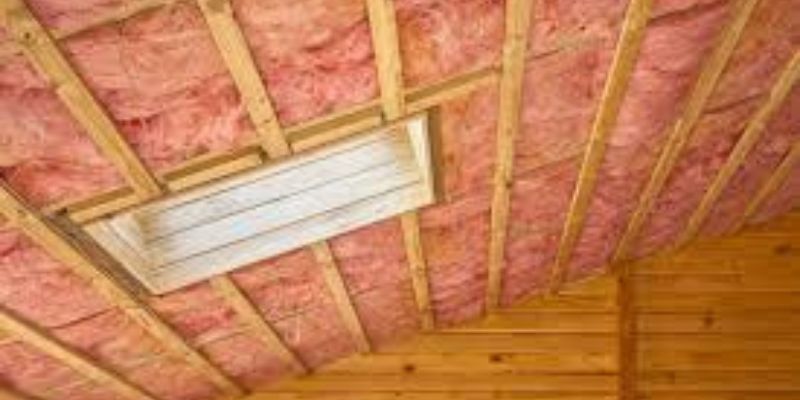
Attic insulation is one of the most effective ways to keep your home warm and energy efficient. In Ireland, where winters are cold and damp, a poorly insulated attic can cause up to 30% of heat to escape from your home. This not only increases heating bills but also makes your living space uncomfortable.

In 2025, with rising energy prices and a strong focus on sustainability, attic insulation has become a top priority for Irish homeowners. Installing or upgrading attic insulation can save you money, improve comfort, and help protect the environment.


Why Attic Insulation is Important in Ireland

Ireland’s climate makes attic insulation essential. The weather is unpredictable, with long wet winters and mild summers. Without proper insulation, homes lose heat quickly, forcing homeowners to spend more on heating.

Here’s why attic insulation is a smart investment:

  • Reduces heat loss – Prevents warm air from escaping through the roof.

  • Lowers energy bills – Saves up to 20% annually on heating costs.

  • Improves comfort – Keeps homes warmer in winter and cooler in summer.

  • Boosts property value – Homes with a higher BER rating are more attractive to buyers.

  • Supports sustainability – Reduces carbon emissions and helps Ireland meet climate goals.


Cost of Attic Insulation in Ireland (2025)

The cost of attic insulation in Ireland varies depending on the size of your home and the materials used. On average, homeowners spend between €1,000 and €2,500 for attic insulation.

While the initial cost may seem high, it pays for itself in energy savings within a few years. With energy bills still rising in 2025, attic insulation offers long-term financial benefits.


Government Grants and Supports in 2025

The SEAI (Sustainable Energy Authority of Ireland) continues to provide grants to encourage homeowners to upgrade insulation.

  • The attic insulation grant covers a significant portion of installation costs.

  • Homeowners can receive up to €1,500 depending on house size.

  • The grant applies to both detached houses and smaller properties.

This means Irish homeowners can make their homes warmer and more energy-efficient without paying the full cost themselves.


Long-Term Savings from Attic Insulation

Best Insulation for Attic in Ireland 2025

One of the biggest benefits of attic insulation is the long-term savings it provides. A well-insulated attic can:

  • Save households up to €400 per year on heating bills.

  • Reduce the need for electric heaters or extra fuel during winter.

  • Protect against damp and condensation issues that can be costly to repair.

By 2025, with energy prices remaining high, these savings are more important than ever.


How Attic Insulation Adds Value to Your Home

Insulating your attic does more than just cut bills. It also makes your home more valuable. Buyers in Ireland are increasingly looking for homes with a good Building Energy Rating (BER). A higher BER means:

  • Lower heating costs.

  • A more comfortable living environment.

  • A modern, energy-efficient home that is future-ready.

Whether you are planning to sell or stay in your home, attic insulation is a worthwhile investment.


What to Consider Before Insulating Your Attic

Before starting an attic insulation project in 2025, homeowners should keep in mind:

  1. Professional Installation – While some insulation can be installed as a DIY project, hiring professionals ensures proper fitting and maximum efficiency.

  2. Ventilation – Good airflow prevents dampness and protects your roof structure.

  3. Grants and Costs – Check your eligibility for SEAI grants to reduce upfront expenses.

  4. Home Needs – Each home is different, so choose insulation that matches your attic’s condition and your energy-saving goals.


Benefits You’ll Notice Immediately

Best Insulation for Attic in Ireland 2025

Once attic insulation is installed, homeowners in Ireland typically notice improvements right away:

  • Rooms heat up faster.

  • The house stays warm for longer after the heating is turned off.

  • Less draught and fewer cold spots.

  • Lower heating bills within the first winter.

These quick benefits make attic insulation one of the most rewarding home upgrades available.


Conclusion

In 2025, the best step Irish homeowners can take for energy efficiency is to invest in attic insulation. It reduces heating bills, increases comfort, protects against damp, and adds value to your home. With SEAI grants making upgrades more affordable, there has never been a better time to insulate your attic.

By improving your attic insulation today, you’re not just saving money—you’re creating a warmer, greener, and more sustainable future for your home.


FAQs

Q1. How much does attic insulation cost in Ireland in 2025?
On average, between €1,000 and €2,500, depending on the home size and materials.

Q2. Can I get a grant for attic insulation?
Yes, SEAI provides grants up to €1,500 to homeowners who upgrade their attic insulation.

Q3. How much money can attic insulation save me each year?
It can save up to €400 annually on heating costs.

Q4. Does attic insulation increase home value?
Yes, it improves your BER rating, making your home more attractive to buyers.

Q5. How long does attic insulation last?
Properly installed insulation can last 20–30 years

Open post
External Wall Insulation Cost Calculator Ireland

External Wall Insulation Cost Calculator Ireland

If you are thinking about improving the energy efficiency of your home in Ireland, external wall insulation can be one of the best solutions. Many homeowners are worried about high heating bills and losing heat through old walls. External wall insulation helps solve this problem by adding a protective layer to the outside of your home, keeping it warmer in winter and cooler in summer.

However, one of the first questions people ask is: How much does external wall insulation cost in Ireland? The answer depends on several factors such as the size of your house, the materials used, and the labour costs. To make things easier, an External Wall Insulation Cost Calculator can help you estimate the cost for your specific home.

In this guide, we will explain how the calculator works, what factors affect the cost, and how you can save money with grants and schemes in Ireland.

What is External Wall Insulation?

External wall insulation (EWI) involves adding an insulating layer to the outside walls of your home. This layer is usually made of materials such as expanded polystyrene (EPS), mineral wool, or phenolic boards. Once installed, the insulation is covered with a protective render or cladding, which also improves the appearance of your home.

This method is especially useful for older homes in Ireland that have solid walls with poor insulation. By wrapping the home from the outside, it reduces heat loss and lowers energy bills.

Why Use an External Wall Insulation Cost Calculator?

External Wall Insulation Cost Calculator Ireland

Many homeowners find it difficult to figure out the actual cost of insulation work. That’s where an EWI cost calculator comes in handy. A cost calculator allows you to:

  • Get an estimated price for your project

  • Compare costs for different insulation materials

  • Plan your budget before starting work

  • Understand how much you might save on heating bills

  • See if your home qualifies for grants or support

Factors That Affect External Wall Insulation Cost in Ireland

The cost of EWI is not the same for every house. The following factors play an important role:

1. Size of Your House

The bigger the house, the more material and labour is needed. Detached houses usually cost more than semi-detached or terraced homes.

2. Type of Walls

Older solid walls may require more preparation before insulation is applied, which can increase costs.

3. Choice of Insulation Material

  • Expanded Polystyrene (EPS): Most affordable option.

  • Mineral Wool: Good for fire resistance and soundproofing.

  • Phenolic Boards: More expensive but highly effective.

4. Labour Costs

Labour charges vary across Ireland depending on location and contractor experience.

5. Finishing Options

Adding decorative cladding, coloured render, or special finishes will add to the total cost.

Average External Wall Insulation Costs in Ireland

While exact prices depend on your home, the average cost in Ireland for external wall insulation is:

  • Detached house: €12,000 – €18,000

  • Semi-detached house: €8,000 – €12,000

  • Terraced house: €6,000 – €9,000

Using a cost calculator can give you a more accurate figure based on your home’s size and needs.

How to Use an External Wall Insulation Cost Calculator

Using the calculator is very simple:

  1. Enter the size of your home (floor area or external wall area).

  2. Select the type of insulation material.

  3. Choose the level of finish (basic, standard, or premium).

  4. Add your location to estimate labour costs.

  5. Click calculate to get an estimated cost.

For example, if you have a semi-detached house with 100m² of wall area and choose EPS insulation, the calculator might show an estimated cost of around €9,500.

Grants and Support in Ireland

The good news is that homeowners in Ireland can apply for SEAI grants (Sustainable Energy Authority of Ireland) to reduce costs.

  • The SEAI grant for external wall insulation can cover up to €6,000 for a detached home.

  • Semi-detached or end-of-terrace homes can get up to €4,500.

  • Mid-terrace homes may receive €3,500.

This means if your house insulation costs €12,000, you could pay only €6,000 after the grant. Always check the latest SEAI updates before applying.

Benefits of External Wall Insulation

External Wall Insulation Cost Calculator Ireland

  1. Lower Heating Bills – Reduce heat loss and save money every month.

  2. Improved Comfort – A warmer home in winter and cooler in summer.

  3. Better Appearance – Fresh new finish on the outside of your home.

  4. Increased Value – Makes your property more attractive to buyers.

  5. Environmental Impact – Reduces carbon emissions and energy waste.

Tips to Save Money on EWI

  • Always compare quotes from different contractors.

  • Use the cost calculator before starting.

  • Apply for SEAI grants to reduce expenses.

  • Combine insulation work with other renovations to save on labour costs.

Conclusion

External wall insulation is an excellent investment for Irish homes. It helps reduce heating costs, improves comfort, and adds value to your property. While the initial cost may seem high, the availability of grants and long-term savings make it worthwhile.

By using an External Wall Insulation Cost Calculator Ireland, you can quickly find out how much your project may cost and plan your budget effectively.

FAQs

  1. How much does external wall insulation cost in Ireland?
    On average, costs range from €6,000 to €18,000 depending on house size and materials.
  2. Is there a grant available for external wall insulation?
    Yes, SEAI grants provide up to €6,000 for detached homes, €4,500 for semi-detached, and €3,500 for terrace homes.
  3. How long does external wall insulation last?
    With proper installation, it can last for 30–40 years.
  4. Can external wall insulation improve my BER rating?
    Yes, it significantly improves your home’s energy rating.
  5. Does external wall insulation affect the appearance of my home?
    Yes, it can improve the look of your home since you can choose different finishes and colours


Open post
External Wall Insulation Prices in Ireland – A Complete Cost Guide

External Wall Insulation Prices in Ireland – A Complete Cost Guide

Introduction

External wall insulation (EWI) is one of the best ways to improve energy efficiency, reduce heat loss, and lower heating bills in Irish homes. With rising energy costs and a growing focus on sustainable living, more homeowners in Ireland are exploring this solution. But one of the most common questions is: How much does external wall insulation cost in Ireland?

This guide provides a clear overview of prices, factors affecting costs, available grants, and why it’s a smart investment for your home.


What Is External Wall Insulation?

External wall insulation involves adding an insulating layer to the outside walls of your home and then covering it with a protective and decorative finish such as render or cladding.
It helps to:

  • Improve thermal performance

  • Reduce heat loss through walls

  • Eliminate cold spots and drafts

  • Enhance your home’s exterior appearance


Average Prices for External Wall Insulation in Ireland

The cost of external wall insulation in Ireland generally ranges between €90 to €140 per square metre, depending on several factors such as property size, wall condition, and chosen insulation materials.

Typical Cost for Different Property Types:

  • Small Terraced House (Approx. 80m²): €7,000 – €11,000

  • Semi-Detached House (Approx. 120m²): €10,000 – €16,000

  • Detached House (Approx. 200m²): €18,000 – €28,000

These figures are approximate and may vary depending on the contractor, materials, and additional work required (e.g., scaffolding, render finish, or structural repairs).


Factors That Affect the Price

External Wall Insulation Prices in Ireland – A Complete Cost Guide

Several factors influence the overall cost of external wall insulation in Ireland:

  1. Size of the Property
    Larger homes have more external wall surface area, leading to higher material and labour costs.

  2. Type of Insulation Material

    • Expanded Polystyrene (EPS): Affordable and widely used.

    • Mineral Wool: Excellent thermal and acoustic properties but slightly more expensive.

    • Phenolic Insulation Boards: High performance but premium-priced.

  3. Wall Condition
    If your walls need repairs before insulation, additional costs will apply.

  4. Finish Type
    Decorative finishes such as coloured render, brick slips, or cladding may increase prices.

  5. Access and Location
    Difficult-to-reach areas or multi-storey buildings may require extra scaffolding or equipment.


Grants and Financial Support in Ireland

The Sustainable Energy Authority of Ireland (SEAI) provides grants to help homeowners reduce the cost of external wall insulation.

SEAI Grant Amounts (as of 2024):

  • Apartment/Mid-Terrace House: Up to €3,000

  • Semi-Detached/End-Terrace House: Up to €6,000

  • Detached House: Up to €8,000

To qualify, your home must have been built before 2011, and the work must be carried out by an SEAI-registered contractor.


Long-Term Savings

Although the upfront cost may seem high, external wall insulation can reduce heating bills by up to 30-40% annually. Over time, this investment pays for itself through energy savings while also increasing your home’s value and comfort.


Additional Benefits

  • Improved Energy Rating: Boost your BER (Building Energy Rating).

  • Better Comfort: No more cold walls or drafts.

  • Aesthetic Upgrade: Fresh, modern exterior finish.

  • Reduced Carbon Footprint: Lower energy use means fewer emissions.


How to Choose the Right Contractor

External Wall Insulation Prices in Ireland – A Complete Cost GuideExternal Wall Insulation Prices in Ireland – A Complete Cost Guide

  • Look for SEAI-registered installers.

  • Request multiple quotes to compare prices and services.

  • Check reviews and previous work.

  • Ensure guarantees and warranties are included.


Conclusion

External wall insulation is a worthwhile investment for Irish homeowners looking to save on energy bills, increase property value, and create a warmer, more comfortable home. With SEAI grants available, the overall cost becomes much more affordable, making now the perfect time to upgrade your home.


FAQs

1. How long does external wall insulation last?
With proper installation and maintenance, it can last over 30 years.

2. Can I get a grant for external wall insulation in Ireland?
Yes, SEAI offers grants of up to €8,000 depending on your property type.

3. Does external wall insulation add value to my home?
Yes, it improves energy efficiency and aesthetics, making your property more attractive to buyers.

4. Is planning permission required?
Generally, no, but check with your local council if major changes to your home’s exterior are planned.

5. How long does installation take?
Typically 2–3 weeks, depending on the size and condition of your home

Open post
Benefits of Internal Wall Insulation for Irish Homes

Benefits of Internal Wall Insulation for Irish Homes

Ireland’s weather can be damp, windy, and cold for much of the year, leading to high heating costs and energy loss in many homes. One of the most effective ways to tackle this problem is by installing internal wall insulation (IWI). Benefits of Internal Wall Insulation for Irish Homes. This upgrade can transform how your home feels, improve energy efficiency, and even increase property value.

In this guide, we explore the key benefits of internal wall insulation, why it’s a smart investment for Irish homeowners, and how grants can help make it affordable.

1. Improved Energy Efficiency

One of the main benefits of internal wall insulation is its ability to significantly reduce heat loss. In older Irish homes, especially those built before modern insulation standards, walls allow a large amount of heat to escape.

By adding insulation boards or insulated stud walls to the inside of external walls, your home becomes better at holding onto heat. This means:

  • Less energy is wasted.

  • Your heating system doesn’t need to work as hard.

  • You enjoy a warmer home with more consistent indoor temperatures.

2. Lower Heating Bills

Because internal wall insulation helps your home retain heat, you will notice a drop in your energy bills. According to the Sustainable Energy Authority of Ireland (SEAI), insulation upgrades can reduce heating costs by up to 30% in some homes.

For a household spending €2,000 annually on heating, that could mean savings of €600 per year – and even more as energy prices continue to rise.

3. Greater Comfort All Year Round

 Benefits of Internal Wall Insulation for Irish Homes

Insulated walls help keep your home warm in winter and cool in summer. Unlike draughty, poorly insulated homes that feel chilly in cold weather and stuffy in warm months, a properly insulated home maintains a comfortable temperature year-round.

This is especially beneficial in Ireland, where weather can be unpredictable and dampness is common. Internal wall insulation also helps prevent cold spots and drafts inside your home.

4. Reduced Dampness and Condensation

Older homes in Ireland often suffer from condensation, which can lead to damp walls and even mould growth. By insulating internal walls, you create a thermal barrier that helps to:

  • Keep walls warmer

  • Reduce moisture build-up

  • Minimise the risk of mould and mildew

This not only protects your property but also improves indoor air quality, which is vital for families with asthma or allergies.

5. Increased Property Value

Energy efficiency is a key factor in property value, and buyers are increasingly looking for homes with good BER (Building Energy Rating) scores.

Installing internal wall insulation:

  • Improves your BER rating

  • Makes your home more attractive to buyers

  • Can increase resale value and market appeal

6. Grants Available for Irish Homeowners

One of the best things about upgrading to internal wall insulation in Ireland is that government grants can help cover the cost.

The SEAI (Sustainable Energy Authority of Ireland) offers:

  • Individual Energy Upgrade Grants – Cash grants to help with insulation upgrades.

  • One-Stop Shop Service – A full-service option where the grant is taken off the cost upfront.

  • Warmer Homes Scheme – Free energy upgrades for eligible low-income households.

Grant amounts for internal wall insulation range from €1,500 to €4,500, depending on the type and size of your home.

7. Eco-Friendly Living

Internal wall insulation doesn’t just save money – it also helps reduce your carbon footprint. By lowering energy consumption, you are contributing to a cleaner environment and helping Ireland meet its climate action targets.

8. Quick Installation Compared to External Insulation

 Benefits of Internal Wall Insulation for Irish Homes

While external wall insulation is effective, it can be more costly and disruptive. Internal wall insulation, on the other hand:

  • Can often be installed room by room

  • Is less expensive than external insulation

  • Requires no changes to the outside appearance of your home

This makes it ideal for homeowners looking for an efficient, budget-friendly option.

9. Suitable for Older and Heritage Properties

Many Irish homes, especially stone-built cottages and older properties, are not suitable for cavity wall insulation or external cladding. Internal wall insulation is often the only practical solution to improve energy efficiency in these types of buildings.

Conclusion

Internal wall insulation offers Irish homeowners a range of benefits – from lower heating bills and improved comfort to increased property value and reduced environmental impact. With SEAI grants available to make the upgrade more affordable, there has never been a better time to invest in making your home warmer, healthier, and more energy-efficient.

Whether you live in a traditional Irish cottage, a terraced house, or a larger detached property, internal wall insulation can make a noticeable difference in how your home feels and performs.

FAQs

  1. What is internal wall insulation?
    Internal wall insulation involves adding insulated boards or stud walls to the inside of external walls to prevent heat loss.
  2. How much can I save on heating bills?
    You can reduce heating costs by up to 30%, depending on your home’s size and current energy rating.
  3. Are grants available for internal wall insulation in Ireland?
    Yes. SEAI offers grants of €1,500 to €4,500, and some households may qualify for fully funded upgrades.
  4. Will internal wall insulation make my rooms smaller?
    Insulated boards typically reduce room size by only a few centimetres, so the difference is minimal.
  5. Is internal wall insulation messy to install?
    Some disruption is expected, but installation can be done room by room, making it more manageable than external insulation projects


Open post
How to Apply for House Insulation Grants in Ireland

How to Apply for House Insulation Grants in Ireland

Insulating your home is one of the best ways to save energy, lower heating bills, and make your living space more comfortable. In Ireland, the Sustainable Energy Authority of Ireland (SEAI) provides several grants to support homeowners in improving insulation. Whether you want attic, cavity wall, internal, or external insulation, this guide explains how to apply in simple steps.

1. Understanding House Insulation Grants in Ireland

SEAI offers three main routes for grants, depending on your home and financial situation.

1.1 Individual Energy Upgrade Grants

These are direct grants for specific insulation measures. Homeowners can choose to upgrade:

  • Attic insulation

  • Cavity wall insulation

  • Internal wall insulation

  • External wall insulation

Grant amounts are based on the type of home:

  • Attic Insulation: €800 – €1,500

  • Cavity Wall Insulation: €700 – €1,700

  • Internal Wall Insulation: €1,500 – €4,500

  • External Wall Insulation: €3,000 – €8,000

These upgrades can be carried out individually or combined with other energy improvements.

1.2 National Home Energy Upgrade Scheme (One-Stop Shop)

If you want a hassle-free process, the One-Stop Shop (OSS) model may be best. Here’s how it works:

  • An OSS company manages everything—energy assessment, grant application, contractor selection, and project completion.

  • The grant is deducted upfront, meaning you only pay the reduced amount.

  • Additional upgrades like heat pumps, solar PV panels, and heating controls can also be included.

While convenient, this route may be more expensive than applying directly.

1.3 Warmer Homes Scheme (Free Upgrades for Eligible Homes)

This scheme provides fully funded home upgrades for low-income households that meet eligibility requirements.
You may qualify if:

  • Your home was built before 2006.

  • You receive certain welfare payments (e.g., Fuel Allowance, Disability Allowance, Jobseekers Allowance with children under 7).
    This option covers insulation, heating upgrades, and energy-efficient lighting—at no cost to the homeowner.

2. Preparing Before You Apply

To ensure a smooth application process, prepare the following:

2.1 Check Eligibility

  • Your home must have been built and occupied before 2011 for most grants (or before 2006 for the Warmer Homes Scheme).

  • Homes must have a BER rating of B3 or lower before upgrades.

  • You cannot claim a grant for work already completed under previous schemes.

2.2 Find Your MPRN Number

Your Meter Point Reference Number (MPRN) is an 11-digit number found on your electricity bill. It is required for grant applications.

2.3 Get a BER Assessment

A Building Energy Rating (BER) assessment may be needed before and after upgrades to measure improvements.

3. Choosing Your Application Route

How to Apply for House Insulation Grants in Ireland

You have two main ways to apply for a house insulation grant:

3.1 Apply Directly

  • You choose a SEAI-registered contractor and submit your application online.

  • Once work is completed and paperwork is submitted, SEAI processes the payment—typically within 4–6 weeks.

3.2 Use a One-Stop Shop

  • OSS companies handle the process from start to finish.


  • Useful for homeowners planning multiple upgrades at once.

4. Step-by-Step Guide to Applying

Step 1: Decide on the Type of Insulation

Consider which insulation upgrade will bring the best energy savings:

  • Attic insulation for heat retention.

  • Wall insulation for improved overall energy performance.

  • Combination of upgrades for maximum effect.

Step 2: Get a BER Report

A BER assessor can recommend which upgrades will have the most impact and help meet grant requirements.

Step 3: Choose Your Approach

  • DIY application – Apply directly on the SEAI website and hire a registered contractor.

  • OSS route – Leave the entire process to a One-Stop Shop company.

Step 4: Submit Your Application

Provide required details including:

  • MPRN number

  • BER rating (if available)

  • Contractor details (for direct applications)

Step 5: Complete the Work

Ensure all work is carried out by an SEAI-registered contractor following quality standards.

Step 6: Submit Completion Documents


  • Declaration of Works

  • BER Certificate (if required)

Step 7: Receive Grant Payment

Payments are usually processed within 4–6 weeks. If using an OSS, your bill will already reflect the grant deduction.

5. Tips for a Successful Application

  • Compare Costs: One-Stop Shops may cost more, but they simplify the process. Direct applications require more effort but may be cheaper.

  • Check Contractor Credentials: Use only SEAI-approved contractors to ensure eligibility.

  • Plan Ahead: Warmer Homes Scheme applicants may experience longer waiting times due to high demand.

  • Combine Grants: If possible, combine insulation with other energy upgrades like heating controls or solar panels to maximise savings.

6. Quick Reference: Grant Amounts

How to Apply for House Insulation Grants in Ireland

Type of Insulation Grant Range
Attic Insulation €800 – €1,500
Cavity Wall Insulation €700 – €1,700
Internal Wall Insulation €1,500 – €4,500
External Wall Insulation €3,000 – €8,000

Conclusion

Applying for house insulation grants in Ireland is a cost-effective way to reduce energy bills, improve comfort, and increase the value of your property. With multiple schemes available—including fully funded options for eligible households—there is support for almost every type of homeowner. Whether you choose a direct application or a One-Stop Shop, start by checking your eligibility, preparing your documents, and selecting the right insulation for your home. The result will be a warmer, more energy-efficient home and long-term savings.

FAQs

1. Who can apply for house insulation grants in Ireland?

Homeowners, landlords, and approved housing bodies with homes built before 2011 can apply. Some schemes are income-based.

2. How long does it take to receive grant approval?

Grant payments are usually processed within 4–6 weeks after the work is completed and documents are submitted.

3. Is a BER assessment required?

Yes, a BER report is often needed to identify energy improvements and to confirm results after upgrades.

4. Can I combine multiple grants?

Yes. You can combine insulation with other upgrades like heating controls or solar PV, provided eligibility criteria are met.

5. Are grants available for new builds?

No. Grants are for existing homes built and occupied before 2011


Open post
How Much Does External Insulation Cost in Ireland?

How Much Does External Insulation Cost in Ireland?

With energy costs continuing to rise, homeowners across Ireland are searching for ways to improve their property’s energy efficiency and reduce heating bills. One of the most effective and long-lasting solutions is external wall insulation. But a common question many ask is: How much does external insulation cost in Ireland?

This comprehensive guide explains costs, key factors that influence pricing, available grants, and why investing in external insulation can be a smart long-term decision.

What is External Wall Insulation?

External wall insulation is a process where an insulating layer is fixed to the exterior of your home and then covered with a protective render or cladding. This creates a thermal barrier, preventing heat loss and improving energy efficiency.

Unlike internal insulation, which reduces room space, external insulation maintains indoor dimensions and can give your home a fresh, modern appearance.

Average Cost of External Insulation in Ireland

The price of external insulation varies depending on several factors such as property size, material choice, and labour rates. On average:

  • Small Homes / Apartments: €6,000 – €9,000

  • Semi-Detached / Medium Homes: €10,000 – €15,000

  • Large or Detached Homes: €16,000 – €25,000+

These figures generally include the cost of materials, labour, and finishing. However, prices may be higher if significant wall repairs, decorative finishes, or premium materials are required.

Factors That Influence External Insulation Cost

How Much Does External Insulation Cost in Ireland?

1. Property Size and Complexity

Larger homes or houses with multiple stories, intricate designs, or architectural features (e.g., bay windows) will require more materials and labour, which increases overall costs.

2. Insulation Material

The type of insulation material plays a big role in determining cost. Common options include:

  • Expanded Polystyrene (EPS): Affordable and widely used.

  • Mineral Wool: Offers better fire resistance and soundproofing, slightly costlier than EPS.

  • Phenolic Foam: High-performance insulation with a premium price tag due to superior thermal efficiency.

3. Condition of the Walls

If the external walls have cracks, dampness, or structural issues, these must be fixed before applying insulation, adding extra costs to the project.

4. Type of Finish

The final coating—render, paint, or decorative cladding—affects the price. Standard finishes are more budget-friendly, while premium designs cost more.

5. Labour and Contractor Expertise

Experienced, SEAI-registered contractors may charge higher rates, but they ensure quality workmanship and help homeowners qualify for government grants.

SEAI Grants – Reducing the Cost of External Insulation

The Sustainable Energy Authority of Ireland (SEAI) provides grants to help homeowners cover the cost of insulation upgrades. For external wall insulation, the available grants are:

  • Apartment or Mid-Terrace House: Up to €3,000

  • Semi-Detached or End-of-Terrace House: Up to €4,500

  • Detached House: Up to €6,000

These grants can significantly reduce upfront expenses, making the investment more affordable while increasing the energy efficiency of your home.

Why External Wall Insulation is Worth the Cost

1. Significant Energy Savings

External insulation reduces heat loss, meaning less energy is needed to keep your home warm. Many homeowners report savings of up to 20–30% on annual heating costs.

2. Improved Home Comfort

Insulation eliminates draughts and cold spots, providing a consistently comfortable temperature throughout the house.

3. A Fresh Look for Your Home

Adding insulation also improves your home’s appearance, giving it a modern, clean finish.

4. Increased Property Value

Energy-efficient homes often sell faster and at higher prices, making this upgrade a smart investment.

5. Long-Term Environmental Benefits

Reduced energy consumption lowers your carbon footprint, contributing to Ireland’s climate action goals.

Cost vs. Long-Term Benefits

How Much Does External Insulation Cost in Ireland?

While the initial cost may seem high, external insulation offers long-term benefits that far outweigh the investment. Lower heating bills, SEAI grants, and increased property value make it a cost-effective solution.

Additionally, high-quality insulation can last for 25–30 years or more, meaning you enjoy benefits for decades with minimal maintenance.

Conclusion

So, how much does external insulation cost in Ireland? While prices vary based on property size, materials, and labour, most homeowners spend between €6,000 and €25,000. However, when you factor in SEAI grants, long-term energy savings, improved comfort, and enhanced property value, it becomes clear that external insulation is a worthwhile investment for Irish homeowners.

FAQs

  1. How long does external insulation last?
    Properly installed insulation can last 25–30 years or longer with basic maintenance.
  2. Do I need planning permission for external insulation?
    Usually, no. However, if your home is a protected structure or the work changes its appearance significantly, permission may be required.
  3. Can I get external insulation for an older property?
    Yes. Many older Irish homes benefit greatly from external insulation, though some may need wall repairs before installation.
  4. How much can I save on heating bills?
    Savings vary but can reach up to 30% annually, depending on your property’s existing insulation levels.
  5. What is the best insulation material for Irish homes?
    EPS is popular for affordability, while mineral wool and phenolic foam provide higher thermal performance and fire resistance.
  6. Why choose an SEAI-registered contractor?
    Only SEAI-registered installers can secure grants for homeowners, and they meet high standards for quality and safety


Open post
Full Fill Cavity Wall Insulation – Everything You Need to Know

Full Fill Cavity Wall Insulation – Everything You Need to Know

Making your home warm, energy-efficient, and comfortable is a priority for every Irish homeowner. One of the most effective ways to achieve this is by installing full fill cavity wall insulation. It not only keeps your home cosy but also helps you save money on energy bills. In this guide, we will explain what full fill cavity wall insulation is, how it works, its benefits, and why it is an excellent choice for homes across Ireland.

What is Full Fill Cavity Wall Insulation?

Full fill cavity wall insulation is a method of filling the entire cavity space between the inner and outer walls of a house with insulating material. This helps prevent heat loss, keeping the warm air inside during winter and reducing heat from entering during summer.

In Ireland, where the weather can be cold and damp for much of the year, good wall insulation is essential to maintain a comfortable indoor temperature and reduce heating costs.

How Does It Work?

Most houses built after the 1920s have a cavity wall structure – two walls with a small gap (cavity) in between. Without insulation, heat can easily escape through this cavity, causing energy loss.

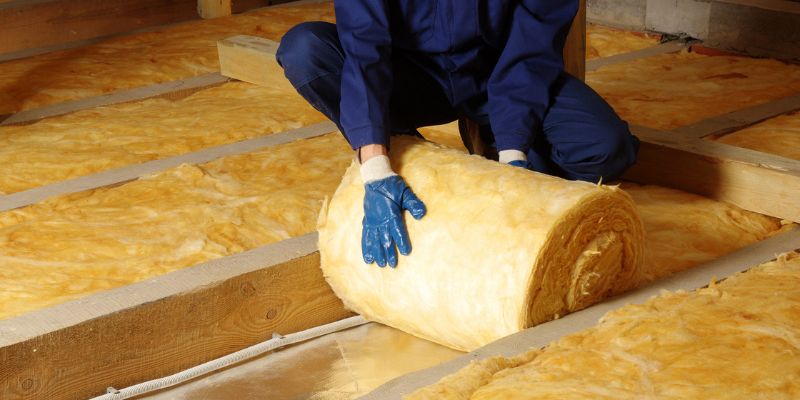
Full fill cavity wall insulation works by filling this gap with an insulating material such as mineral wool, polystyrene beads, or foam. This creates a thermal barrier, preventing heat transfer and making your home more energy-efficient.

Benefits of Full Fill Cavity Wall Insulation

Benefits of Full Fill Cavity Wall Insulation

  1. Better Energy Efficiency
    Insulation reduces heat loss by up to 35% through walls, helping you maintain a warm home with less energy.
  2. Lower Heating Bills
    Since your home retains more heat, you will spend less on heating, which is especially important with rising energy costs in Ireland.
  3. Enhanced Comfort
    No more cold spots or draughty walls – your home will feel warmer and cosier throughout the year.
  4. Noise Reduction
    Insulating your walls also helps reduce outside noise, creating a quieter indoor environment.
  5. Environmentally Friendly
    Using less energy for heating reduces carbon emissions, helping to protect the environment.

Types of Materials Used

  • Mineral Wool – A common choice for Irish homes, known for its thermal and sound insulation properties.
  • Polystyrene Beads – Lightweight and moisture-resistant, ideal for damp areas.
  • Foam Insulation – Expands to fill gaps completely, offering excellent coverage.

Is Your Home Suitable for Full Fill Cavity Wall Insulation?

Not every house is suitable for this type of insulation. Before installation, a professional assessment is necessary. Factors include:

  • The age of the house
  • Wall structure and cavity size
  • Existing damp or moisture issues
  • Accessibility for installation

Houses built after the 1980s are often already insulated, but older homes in Ireland may require an upgrade.

Installation Process

  1. Survey & Inspection – A professional checks your home to ensure it is suitable.
  2. Drilling Small Holes – Small holes are drilled into the external wall.
  3. Injection of Insulation – Insulating material is pumped into the cavity space.
  4. Sealing & Finishing – Holes are filled, and the wall is restored to its original appearance.

This process is quick and usually completed within a day for most houses.

Cost of Full Fill Cavity Wall Insulation in Ireland

Cost of Full Fill Cavity Wall Insulation in Ireland

The cost can vary depending on the size of your home, the insulation material used, and labour costs. On average, Irish homeowners can expect to pay between €700 and €1,800. However, the savings on energy bills can quickly cover the initial investment.

Government Grants and SEAI Support

The Sustainable Energy Authority of Ireland (SEAI) offers grants to homeowners for insulation upgrades, including cavity wall insulation. This can significantly reduce the cost and make energy-efficient improvements more affordable.

Conclusion

Full fill cavity wall insulation is one of the smartest investments for Irish homeowners. It improves energy efficiency, lowers heating bills, and increases comfort while helping the environment. With available grants and professional installation, it is a cost-effective solution for creating a warmer, more sustainable home.

FAQs

  1. How long does cavity wall insulation last?
    Most types of cavity wall insulation can last for the lifetime of your home if installed correctly.
  2. Will insulation cause damp problems?
    Properly installed insulation should not cause dampness. A survey ensures your walls are suitable before work begins.
  3. Can I get a grant for cavity wall insulation in Ireland?
    Yes, SEAI offers grants to homeowners to help with insulation costs.
  4. How long does installation take?
    For most homes, installation is completed within a day.
  5. Is it worth the investment?
    Yes. The energy savings, increased comfort, and available grants make it a worthwhile investment for most Irish households.


Open post
Wall Insulation Ireland – Stay Warm and Save Money

Wall Insulation Ireland – Stay Warm and Save Money

When the cold Irish winds start to blow and the rain comes down, keeping your home warm becomes a top priority. Unfortunately, many homes in Ireland lose heat through their walls. This means your heating system has to work harder, which costs you more money. The good news is that wall insulation can solve this problem. It helps you stay warm, use less energy, and save money on your heating bills.

In this article, we will explain what wall insulation is, how it works, why it’s important in Ireland, and how it can benefit your home.


What is Wall Insulation?

Wall insulation is a layer of material added inside or outside your walls to stop heat from escaping. In winter, it keeps warm air inside, and in summer, it keeps the heat out. Think of it as a warm coat for your house – it protects you from the cold and makes your home more comfortable all year round.

There are two main types of wall insulation used in Ireland:

  1. Cavity Wall Insulation – Most modern houses in Ireland have cavity walls, which means there is a small gap between the outer and inner walls. This gap can be filled with insulation materials such as foam or mineral wool to stop heat from escaping.

  2. Solid Wall Insulation – Older houses may have solid walls with no gap. In this case, insulation can be added either inside the walls (internal wall insulation) or on the outside of the building (external wall insulation).


Why is Wall Insulation Important in Ireland?

Why is Wall Insulation Important in Ireland?

Ireland’s climate is mild but damp, with cold winters and frequent rain. Without proper insulation, heat escapes quickly through the walls, making it hard to keep your home warm.

Here’s why wall insulation is especially important in Ireland:

  • High Energy Costs – Heating bills in Ireland can be expensive. Without insulation, you are paying to heat the air that escapes through your walls.

  • Comfort – Insulated walls keep the temperature inside steady, reducing cold spots and draughts.

  • Damp Prevention – Proper insulation helps prevent condensation and dampness, which can damage walls and cause health problems.

  • Environmental Benefits – Using less energy means you are helping to reduce carbon emissions, which is good for the planet.


Benefits of Wall Insulation

  1. Lower Heating Bills
    Wall insulation reduces heat loss, meaning you need less energy to keep your home warm. Many Irish homeowners save up to 30% on their heating costs after installing insulation.

  2. Better Comfort All Year Round
    No more sitting in one warm room while the rest of the house feels cold. Insulation keeps the heat evenly distributed throughout your home.

  3. Less Noise from Outside
    Insulated walls also reduce outside noise, making your home quieter and more peaceful.

  4. Increase in Property Value
    A well-insulated home is more attractive to buyers and can have a better BER (Building Energy Rating) score.

  5. Better for the Environment
    Using less energy means you’re helping to protect the environment and reduce your carbon footprint.


How Wall Insulation Works

Wall insulation works by slowing down the movement of heat. In winter, it stops warm air from escaping through the walls, and in summer, it prevents hot air from getting in. The materials used, such as mineral wool or foam, trap small pockets of air that act as a barrier to heat transfer.

This means your heating system doesn’t have to work as hard, saving you energy and money.


Government Grants for Wall Insulation in Ireland

The Sustainable Energy Authority of Ireland (SEAI) offers grants to help homeowners pay for wall insulation. These grants are part of Ireland’s plan to improve energy efficiency and reduce carbon emissions.

For example:

  • Cavity wall insulation grants can cover part of the cost for homeowners.

  • Internal or external wall insulation for solid walls may have higher grant amounts because the work is more expensive.

To apply for these grants, you need to use an SEAI-approved contractor and follow their guidelines. This makes wall insulation more affordable for many Irish households.


How to Get Wall Insulation Installed

  1. Check Your Walls – A professional can inspect your walls and tell you if you have cavity or solid walls.

  2. Choose the Right Type of Insulation – The type you choose will depend on your home’s structure and budget.

  3. Hire a Professional Installer – Always use a qualified and experienced installer, preferably SEAI-approved, to make sure the work is done correctly.

  4. Apply for Grants – Before work begins, apply for any available grants to reduce your costs.

  5. Enjoy the Benefits – Once installed, you will notice the difference in comfort and lower heating bills almost immediately.


Costs and Savings

How to Get Wall Insulation Installed

The cost of wall insulation in Ireland depends on the size of your home and the type of insulation you choose.

  • Cavity wall insulation is generally the cheapest and quickest to install.

  • Solid wall insulation costs more but can make a big difference in older homes.

Most homeowners recover the cost through lower heating bills within a few years. Plus, with grants available, the upfront cost can be much lower.


Conclusion

Wall insulation in Ireland is one of the smartest investments you can make for your home. It keeps you warm in winter, cool in summer, reduces your energy bills, and helps the environment.

Whether you have a modern home with cavity walls or an older house with solid walls, there’s an insulation solution for you. And with government grants available, there’s never been a better time to get started.

Stay warm, save money, and enjoy a more comfortable home – all thanks to wall insulation.


FAQs

1. How much can I save with wall insulation in Ireland?
Many homeowners save up to 30% on heating bills, depending on their home’s condition and the type of insulation installed.

2. How long does it take to install wall insulation?
Cavity wall insulation can be done in a few hours, while solid wall insulation may take several days.

3. Is wall insulation suitable for all homes in Ireland?
Yes, but the type of insulation will depend on whether you have cavity or solid walls.

4. Do I need planning permission for wall insulation?
For internal wall insulation, usually no. For external wall insulation, you might need permission if it changes the home’s appearance.

Open post
Cavity Wall Insulation Ireland – Improve Energy Efficiency

Cavity Wall Insulation Ireland – Improve Energy Efficiency

Energy bills in Ireland can be high, especially during the cold and wet winter months. One of the most effective ways to keep your home warm and reduce heating costs is by installing cavity wall insulation. Many Irish homeowners are now choosing this method because it is affordable, long-lasting, and makes a big difference in comfort levels.

In this article, we will explain what cavity wall insulation is, how it works, its benefits, and why it’s a smart investment for homes in Ireland.


What is Cavity Wall Insulation?

Most homes built in Ireland after the 1920s have cavity walls. A cavity wall is made of two layers of brick or block with a small gap (or cavity) between them. This gap can allow heat to escape easily, which means your home loses warmth faster and your heating system works harder.

Cavity wall insulation is the process of filling that gap with insulating material, such as mineral wool, polystyrene beads, or foam. This material acts as a barrier to heat loss, keeping warmth inside your home during winter and blocking excess heat in summer.


How Does It Work?

Without insulation, heat moves quickly through the walls and escapes outdoors. With cavity wall insulation, the added layer inside the cavity slows down heat transfer. This means your home stays warmer for longer with less heating required.

Professional installers drill small holes in the outside walls, blow in the insulation material, and seal the holes. The process usually takes only a few hours for an average-sized home.


Benefits of Cavity Wall Insulation in Ireland

Benefits of Cavity Wall Insulation in Ireland

1. Lower Energy Bills

Heating is one of the largest household expenses in Ireland. By reducing heat loss through your walls, cavity wall insulation can cut your heating costs by up to 35%. Over time, these savings add up, making the installation pay for itself.

2. Better Comfort

Insulated walls keep your home warmer in winter and cooler in summer.

3. Reduced Carbon Footprint

By using less energy to heat your home, you also reduce carbon emissions. This is a simple step towards a greener lifestyle and helps Ireland meet its environmental goals.

4. Quick and Non-Disruptive Installation

The process is quick, often completed within a day. There’s no need for major renovations, and disruption to your daily routine is minimal.

5. Increased Property Value

Homes with good insulation have a higher BER (Building Energy Rating) score in Ireland. A better BER rating can increase the value of your property and make it more attractive to buyers.


Why Cavity Wall Insulation is Perfect for Irish Homes

Ireland’s weather is known for being cold, wet, and windy for much of the year. Without proper insulation, homes lose heat quickly, making heating systems work harder and increasing costs.

Cavity wall insulation is particularly effective in Ireland because:

  • Many homes already have cavity walls, making the installation straightforward.

  • The insulation materials used are designed to handle Ireland’s damp climate.

  • Energy savings are noticeable almost immediately, especially in winter.


Costs and Savings

The cost of cavity wall insulation in Ireland depends on the size of your home, the type of insulation used, and the installer’s rates. On average, the cost can range from €800 to €2,000.

While this may seem like an investment, the annual savings on heating bills often range from €200 to €400. This means the insulation can pay for itself in just a few years. Additionally, there are government grants available through the Sustainable Energy Authority of Ireland (SEAI) that can help cover part of the cost.


Government Grants and Support

The SEAI offers grants for energy-efficient home improvements, including cavity wall insulation. Homeowners can receive financial support to make the upgrade more affordable. This makes it easier for families to take action without worrying about the full cost upfront.

It’s a good idea to check the SEAI website or speak to an approved installer for up-to-date grant information.


Choosing a Professional Installer

Choosing a Professional Installer

For the best results, it’s important to hire a professional, SEAI-approved installer. They will ensure:

  • The correct insulation material is used for your wall type.

  • The installation is done properly to avoid moisture problems.

  • You receive the necessary paperwork for your BER rating and grant claims.

Avoid DIY insulation for cavity walls, as incorrect installation can lead to dampness, mould, and reduced effectiveness.


Conclusion

Cavity wall insulation is one of the simplest and most cost-effective ways to improve energy efficiency in Irish homes. It helps lower energy bills, makes your home more comfortable, and reduces environmental impact.

With available grants from SEAI and quick installation, now is the perfect time to consider upgrading your home’s insulation. Not only will you save money, but you’ll also enjoy a warmer, more energy-efficient home all year round.


FAQs

1. How do I know if my home has cavity walls?
Homes built after the 1920s in Ireland often have cavity walls. You can check by looking at the brick pattern or asking a professional for an inspection.

2. Can cavity wall insulation cause dampness?
When installed correctly by a professional, modern insulation materials are designed to prevent dampness and allow walls to breathe.

3. How long does installation take?
Most installations are completed within a few hours for an average-sized house.

4. Is there any financial help available?
Yes, the SEAI offers grants to help cover the cost of cavity wall insulation for Irish homeowners.

Open post
Flat Roof Insulation Ireland – Improve Comfort and Energy

Flat Roof Insulation Ireland – Improve Comfort and Energy

Flat roof insulation is one of the best ways to keep your home warm, reduce energy bills, and make your living space more comfortable. In Ireland, where the weather can be cold, windy, and wet for much of the year, good insulation is not just a luxury—it is a necessity. If you own a home or building with a flat roof, proper insulation can make a big difference to your comfort and your heating costs.

In this article, we will explain what flat roof insulation is, why it is important in Ireland, the benefits it brings, and what you should consider before getting it done.


What is Flat Roof Insulation?

Flat roof insulation is a layer of insulating material added to the roof structure to reduce heat loss and control indoor temperatures. It can be installed either:

  • Above the roof deck (known as warm roof insulation)

  • Below the roof deck (known as cold roof insulation)

For Irish weather conditions, warm roof insulation is often preferred because it keeps the entire roof structure warm and prevents condensation problems.


Why Flat Roof Insulation Matters in Ireland

Why Flat Roof Insulation Matters in Ireland

Ireland has a mild but wet and windy climate. Winters are often damp and chilly, while summers are mild. Without proper insulation, flat roofs can allow heat to escape easily in winter and let in heat during warmer days. This means:

  • You may spend more on heating bills.

  • Your home may feel cold and uncomfortable.

  • Moisture problems, such as condensation, can occur.

With the right insulation, you can maintain a steady temperature inside, keep out drafts, and protect your building from weather damage.


Benefits of Flat Roof Insulation in Ireland

1. Better Comfort

Insulating your flat roof means the heat stays inside during the winter and outside during the summer. This keeps your rooms warmer in cold months and cooler in warmer months, creating a comfortable indoor environment all year round.

2. Lower Energy Bills

Heating a poorly insulated home in Ireland can be expensive. By adding insulation, your heating system will not need to work as hard, which reduces your energy usage and saves you money every month.

3. Prevents Heat Loss

Flat roofs without insulation can lose a significant amount of heat. Insulation creates a barrier that stops heat from escaping, helping you get the most from your heating system.

4. Reduces Carbon Footprint

Using less energy to heat your home means fewer carbon emissions. By insulating your flat roof, you are helping the environment and contributing to Ireland’s sustainability goals.

5. Protects Against Condensation

In Ireland’s damp climate, condensation can form when warm air meets a cold surface, leading to damp patches, mould, and even structural damage. Good insulation prevents these issues by keeping the roof temperature consistent.

6. Increases Property Value

Energy efficiency is a big selling point for Irish homes. Buyers are willing to pay more for houses with lower running costs. Flat roof insulation can make your property more attractive in the market.


How Flat Roof Insulation Works

The main purpose of insulation is to create a thermal barrier. This barrier slows down the movement of heat, so less warmth escapes from inside during winter, and less heat enters during summer.

In Ireland, rigid insulation boards such as PIR (polyisocyanurate) or mineral wool are commonly used. These materials provide excellent thermal resistance and are durable in wet weather conditions.


Choosing the Right Type of Insulation

There are two main approaches:

  1. Warm Roof Insulation – The insulation is placed on top of the roof deck and below the waterproof layer. This method keeps the roof structure warm and prevents condensation. It is often the preferred option in Ireland.

  2. Cold Roof Insulation – The insulation is installed between the joists, below the roof deck. While cheaper, it may not be as effective in preventing condensation in the Irish climate.

It’s important to choose the right type based on your budget, building design, and local climate conditions.


The Installation Process

A typical flat roof insulation process in Ireland may involve:

  1. Inspection – A professional checks the roof for leaks, damage, or structural issues.

  2. Preparation – Any existing problems are repaired before insulation is added.

  3. Installation – The chosen insulation material is installed, either above or below the roof deck.

  4. Sealing and Waterproofing – The roof is covered with a waterproof membrane to protect against rain and wind.


Maintenance and Longevity

Once installed, flat roof insulation requires very little maintenance. However, it is important to check the roof regularly for signs of wear, damage, or leaks, especially after storms. Properly installed insulation can last for decades.


Government Grants and Support in Ireland

Government Grants and Support in Ireland

The Sustainable Energy Authority of Ireland (SEAI) offers grants to homeowners for insulation work, including roof insulation. These grants can help cover part of the cost, making the upgrade more affordable. Checking the latest SEAI schemes before starting your project can save you money.


Conclusion

Flat roof insulation in Ireland is a smart investment that improves comfort, saves energy, and protects your home. Given Ireland’s damp and changeable weather, having a well-insulated flat roof means warmer winters, cooler summers, and lower bills.

If you are planning to insulate your flat roof, choose quality materials, work with experienced professionals, and explore available grants. The result will be a warmer, more efficient home that benefits both you and the environment.


FAQs

1. How much does flat roof insulation cost in Ireland?
Costs vary depending on the size of the roof, type of insulation, and labour charges. Grants from SEAI can help reduce the cost.

2. How long does flat roof insulation last?
With proper installation, insulation can last 25–40 years or even longer.

3. Can I insulate my flat roof myself?
It’s possible, but not recommended. Professional installation ensures proper sealing and avoids condensation problems.

4. Does insulation stop roof leaks?
Insulation alone does not fix leaks. Any leaks should be repaired before installing insulation.

Posts navigation

1 2 3 4 5