
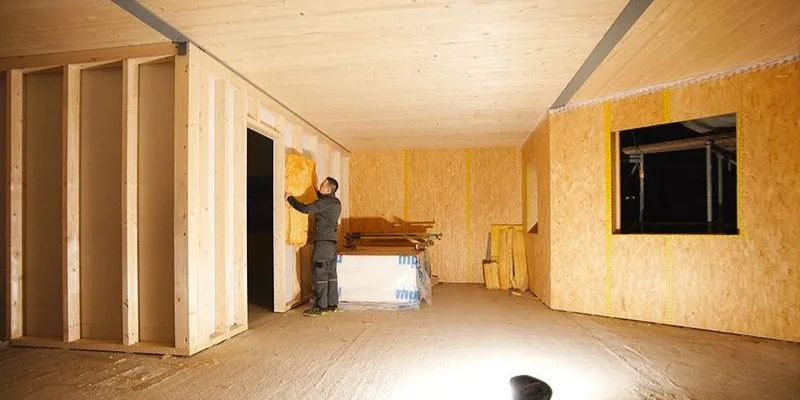
The Warmer Homes Scheme is a government-supported programme in Ireland that helps people make their homes warmer and more energy efficient. This scheme is especially important in places like Dublin, where winters can be cold and heating costs are high. In 2026, many Irish homeowners will continue to benefit from this scheme, which is run by the Sustainable Energy Authority of Ireland (SEAI).
What Is the Warmer Homes Scheme?
The Warmer Homes Scheme is a free home energy upgrade programme for people who are on certain social welfare payments and who live in older houses built before 2006. The scheme helps make homes warmer, healthier, and cheaper to heat by providing energy saving measures such as insulation and other improvements at no cost to eligible homeowners.
The aim of the scheme is to reduce energy use, cut down heating bills, and improve living conditions for people who might struggle with fuel poverty – meaning they find it hard to afford to keep their homes warm.
Who Is Eligible?
To qualify for the Warmer Homes Scheme in 2026, a homeowner must meet three main conditions:
-
Own and live in the home – the house must be your main residence.
-
Home built before 2006 – the property must have been occupied and connected to electricity before this year.
-
Receive a qualifying social welfare payment – this includes payments such as:
-
Fuel Allowance
-
Job Seekers Allowance (for at least six months with a child under seven)
-
Working Family Payment
-
One-Parent Family Payment
-
Domiciliary Care Allowance
-
Carer’s Allowance (if you live with the person you care for)
-
Disability Allowance (for over six months with a child under seven)
-
If a person receives one of these payments, they can check if they are eligible and then apply for free energy upgrades under the scheme.
What Upgrades Are Offered?
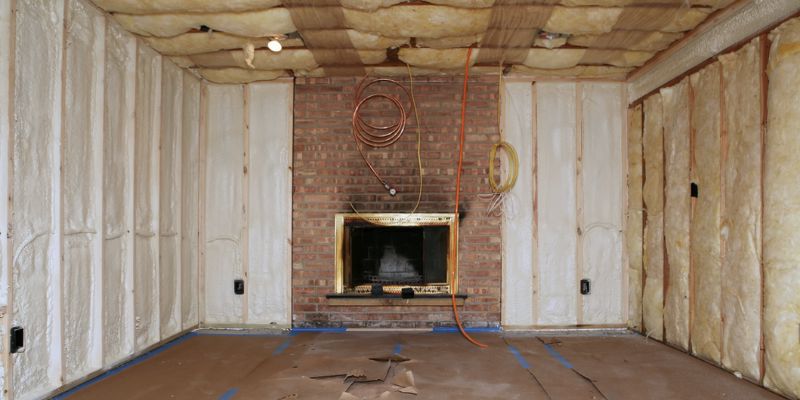
Once a person is accepted into the scheme, an SEAI surveyor will visit the home to decide what kinds of energy upgrades are suitable. The survey looks at the condition of the house, the heating system, and how energy-efficient it already is.
Some of the upgrades that the Warmer Homes Scheme may provide include:
-
Attic insulation – adding insulation to roofs helps keep heat inside the house.
-
Cavity wall insulation – installing insulation in the space between walls to reduce heat loss.
-
Internal or external wall insulation – walls lose a lot of heat, and insulating them helps keep the home warm.
-
Draught proofing – fixing gaps around doors and windows to stop cold air coming in.
-
Energy-efficient lighting and small upgrades – such as lagging jackets for pipes.
-
Renewable heating systems – like heat pumps, though oil or gas boiler replacements are not supported.
In some cases, insulation of windows can be done, but only if the house is also receiving wall insulation.
These changes make homes warmer and more energy efficient, which saves money on heating and helps reduce carbon emissions.
How to Apply
Applying for the Warmer Homes Scheme is free, but you must follow the correct process:
-
Check if you are eligible – look at the scheme rules and see if you receive a qualifying payment.
-
Complete the application online or by post – fill out the SEAI Warmer Homes application form and include any necessary documents about your welfare payments and home ownership.
-
Wait for confirmation – SEAI will check your details and let you know if you are eligible.
-
Home energy survey – if accepted, an SEAI surveyor will inspect your home to recommend upgrades.
-
Upgrade works begin – a contractor appointed by SEAI will carry out the works at no cost.
It is important to understand that waiting times can be long because of high demand. Some people may wait many months before work begins, as the scheme operates on a first-come, first-served basis.
Benefits for People in Dublin
For many people in Dublin, especially older residents or families on limited incomes, the Warmer Homes Scheme can be life changing:
-
Lower heating bills – better insulation means you use less energy to heat your home.
-
Warmer living spaces – draught proofing and insulation make homes more comfortable.
-
Better health – cold, damp homes can lead to health problems, especially for older people or young children. Making homes warmer can improve health and wellbeing.
With rising energy prices in recent years, these upgrades help low-income homeowners reduce the impact of winter costs and stay comfortable in their homes.
Other Supporting Schemes in Ireland
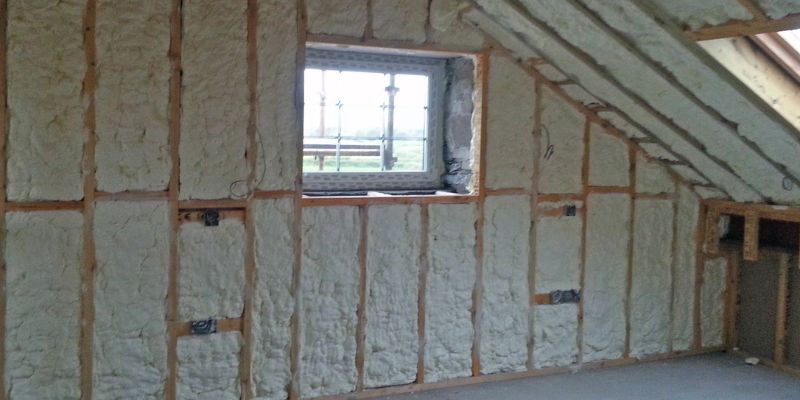
Ireland also has other programmes that help homeowners with energy upgrades and heating costs. For example, the Home Energy Upgrade Loan Scheme makes it easier for people to borrow money at lower interest rates to pay for energy improvements, especially when combined with SEAI grants. These loans can be between €5,000 and €75,000 and help spread the cost of upgrades over many years.
There are also individual SEAI grants for specific energy improvements like attic insulation, wall insulation, and heat pumps that anyone can apply for if they own their home, even if they do not qualify for the Warmer Homes Scheme.
Conclusion
The Warmer Homes Scheme in Dublin and across Ireland is a valuable programme that helps people on low incomes make their homes warmer, healthier, and cheaper to run. It provides fully funded upgrades to homes of people receiving certain social welfare payments and built before 2006.
For eligible homeowners in Dublin in 2026, this scheme offers a real opportunity to improve living conditions, reduce energy bills, and stay warmer during cold months. Anyone interested should check their eligibility and consider applying, as these benefits can make a big difference for families who need it most
FAQs
1. Is the Warmer Homes Scheme free in Ireland?
Yes, the Warmer Homes Scheme is completely free for eligible homeowners. SEAI covers the full cost of surveys, materials, and installation work.
2. Who can apply for the Warmer Homes Scheme in Dublin?
Homeowners living in Dublin can apply if they own and live in their home, the house was built before 2006, and they receive a qualifying social welfare payment.
3. What types of upgrades are included in the scheme?
The scheme may include attic insulation, wall insulation, draught proofing, energy-efficient lighting, and in some cases renewable heating systems like heat pumps.
4. How long does it take to get work done after applying?
Waiting times can vary due to high demand. In some cases, applicants may wait several months before the energy upgrades begin.
5. Can tenants or landlords apply for the Warmer Homes Scheme?
No, the scheme is only available to homeowners who live in the property as their main residence. Tenants and landlords are not eligible