

Across Ireland, more and more people are thinking about how to make their homes energy-efficient and environmentally friendly. One of the biggest changes in the construction industry is the growing demand for sustainable building insulation.
Insulation might seem like a small part of a home, but it plays a very important role. It keeps houses warm in winter, cool in summer, and reduces the amount of energy needed for heating and cooling. When insulation is sustainable, it not only helps homeowners save money but also helps protect the planet.
In Ireland, where the weather can be cold, wet, and windy for much of the year, having good insulation is essential. But now the focus is shifting — it’s not just about comfort anymore. It’s about sustainability, energy efficiency, and reducing environmental impact.
The Shift Toward Sustainable Building Practices
Over the last decade, Ireland has made strong commitments to reduce carbon emissions and promote green living. The construction industry has had to adapt to new building standards that prioritize eco-friendly materials and energy-saving designs.
Traditional insulation methods, though effective, often relied on materials that were not renewable and could harm the environment. Today, both builders and homeowners are searching for alternatives that align with Ireland’s goals for a cleaner, greener future.
This growing awareness has encouraged manufacturers to produce sustainable insulation options that are safe, natural, and environmentally responsible. These new materials perform just as well as traditional ones, but with a smaller carbon footprint.
Government Support and Energy Efficiency Goals
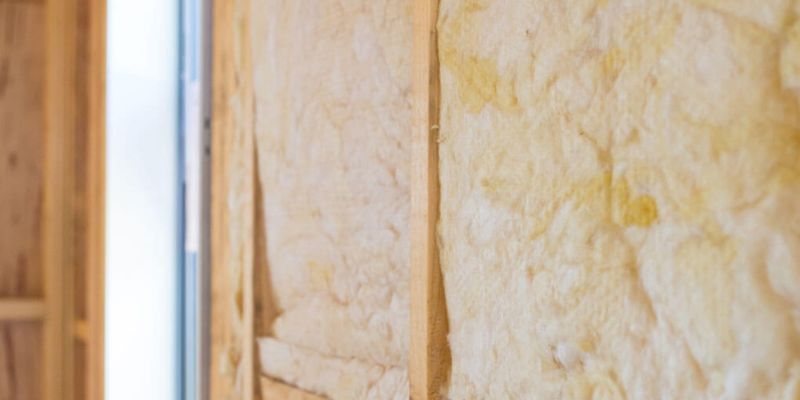
The Irish government has played a big role in encouraging sustainable insulation through grants and national energy-saving programs.
The Sustainable Energy Authority of Ireland (SEAI) offers several schemes to help homeowners improve their energy efficiency. Through grants for wall, attic, and floor insulation, Irish families can make their homes warmer and reduce energy use without facing huge upfront costs.
These programs have inspired thousands of people to upgrade their homes using sustainable methods. As a result, the demand for eco-friendly building insulation has grown quickly across the country.
Ireland’s long-term climate action plan also supports this change. By 2050, the goal is to reach net-zero carbon emissions, and improving insulation is one of the easiest and most effective ways to achieve that.
Benefits of Sustainable Building Insulation
There are many advantages to choosing sustainable insulation, not just for the environment but for everyone living in the home.
-
Energy Savings:
Sustainable insulation helps keep indoor temperatures stable. Homes stay warmer for longer during winter and cooler in summer, which means less energy is needed for heating or air conditioning. Lower energy use directly translates to smaller electricity and gas bills. -
Comfort and Health:
A well-insulated home feels comfortable all year round. Sustainable insulation materials are often breathable and non-toxic, improving indoor air quality. Families can enjoy a healthier living space without worrying about chemicals or allergens. -
Environmental Protection:
Using sustainable insulation reduces pollution and waste. Many of these materials are made from renewable or recycled sources, helping cut down on carbon emissions and landfill waste. Choosing them is an easy way for Irish homeowners to contribute to environmental protection. -
Durability and Value:
Sustainable insulation is long-lasting and requires little maintenance. It adds value to homes and makes them more attractive to potential buyers. As energy efficiency becomes more important, well-insulated homes are in higher demand on the property market.
Rising Public Awareness and Changing Attitudes
One of the reasons sustainable insulation is gaining popularity in Ireland is because of changing attitudes toward the environment. People are now more informed about the effects of climate change and how daily choices can make a difference.
Homeowners are realizing that sustainability doesn’t just mean using solar panels or electric cars — it also includes how houses are built, insulated, and maintained.
Architects and builders are now expected to design with sustainability in mind, ensuring that homes meet modern energy standards. Many construction companies highlight their use of sustainable insulation as a key selling point.
Even in rural areas, where older homes are common, people are investing in insulation upgrades. These improvements not only reduce energy bills but also make homes more comfortable and environmentally responsible.
Economic and Community Impact
The rise in sustainable building insulation has also had a positive impact on Ireland’s economy. It has created new opportunities for local businesses, contractors, and suppliers who provide eco-friendly materials and installation services.
Government grants have helped boost demand, which in turn supports job creation within the green building sector. Local manufacturers are also beginning to explore more sustainable production methods to meet the country’s growing needs.
In many ways, this shift represents a move toward a circular economy — where materials are reused, recycled, and produced with minimal waste. Sustainable insulation fits perfectly into this vision, as it encourages both environmental and economic growth.
The Role of Innovation and Technology
Innovation has played a big role in improving the performance of sustainable insulation materials. New technologies have made it possible to create eco-friendly products that are lighter, more durable, and even more efficient than traditional options.
Irish universities and research centers have also been studying ways to make insulation materials more sustainable and affordable. As a result, builders now have access to a wider range of green materials that perform well in Ireland’s damp and unpredictable climate.
Digital tools, such as building energy rating (BER) assessments, are helping homeowners understand how insulation upgrades can improve their property’s performance. The combination of technology and sustainability is shaping the future of construction in Ireland.
Looking Ahead: A Greener Future for Irish Homes
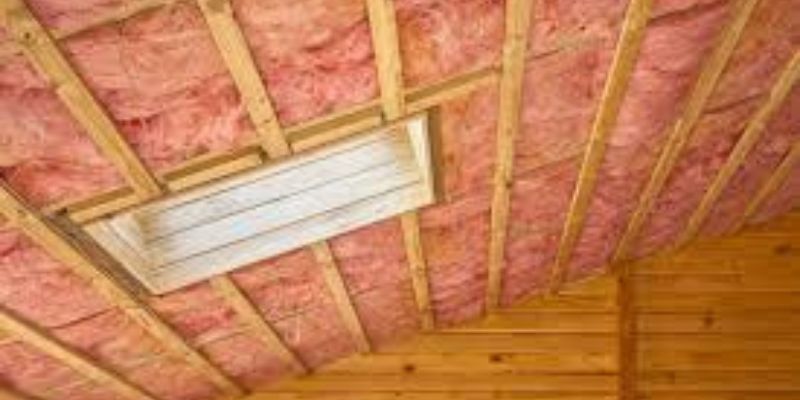
Sustainable building insulation is no longer just a niche idea — it’s becoming the new normal across Ireland. With government incentives, growing public awareness, and better technology, the country is moving toward a more sustainable future.
For homeowners, the benefits are clear: lower energy costs, improved comfort, and a positive contribution to the environment. For Ireland as a whole, sustainable insulation represents progress toward national energy goals and a cleaner, greener way of living.
As more people upgrade their homes and new buildings are designed with sustainability in mind, Ireland’s skyline will continue to reflect this important change. Sustainable insulation isn’t just a trend — it’s a lasting commitment to protecting the planet and improving everyday life for everyone.
Conclusion
Sustainable building insulation is gaining popularity in Ireland for all the right reasons. It saves energy, cuts costs, and helps the country move closer to its environmental goals. With strong government support, growing awareness, and innovative solutions, Ireland is leading the way in creating homes that are warm, efficient, and kind to the planet.
Choosing sustainable insulation is one of the simplest and smartest ways for homeowners to make a difference — both for their own comfort and for the future of Ireland.