
If your home feels cold in winter and your heating bills keep going up, pumped cavity wall insulation could be one of the best things you can do. It is quick to install, it does not cause much disruption, and it can save you hundreds of euro every year. In 2026, Irish homeowners also have access to bigger SEAI grants than ever before.
This guide explains everything clearly — what pumped cavity wall insulation price is, what grants you can get, and how to get started.
What Is Pumped Cavity Wall Insulation?
Most Irish homes built after the 1930s have cavity walls. This means that external walls contain two layers of brick or block with an empty gap—known as a cavity—between them.
The cavity was originally designed to prevent rainwater from entering the home, but it also allows significant heat loss. In many cases, uninsulated walls cause up to 30% of a home’s heat loss. Filling the cavity with insulation material reduces heat loss and improves energy efficiency.
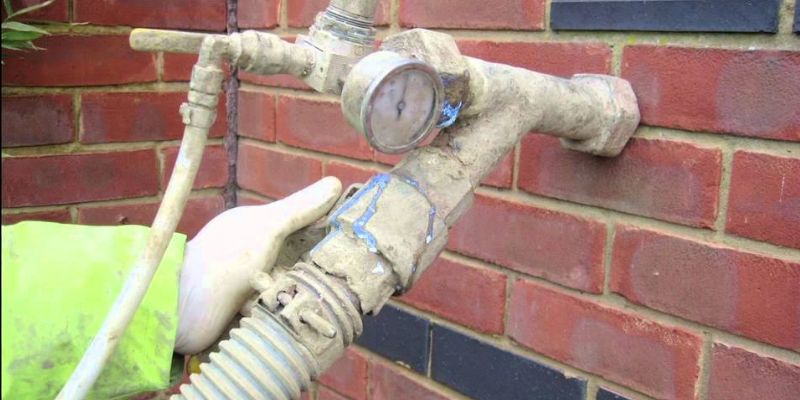
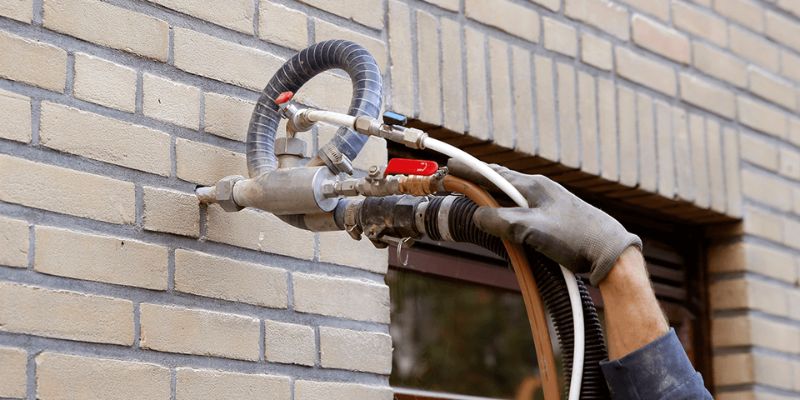
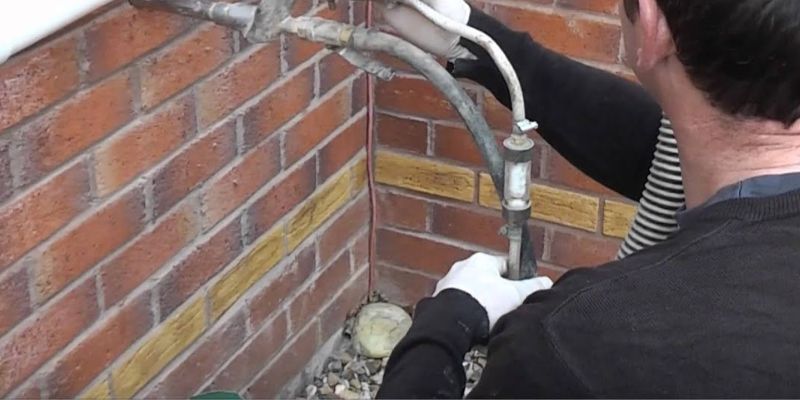
During installation, a qualified installer drills small holes into the external walls. The installer then injects insulation material into the cavity and seals the holes after finishing the work. In most cases, the installation takes just one day and creates very little disruption or mess inside the home
How Much Does Pumped Cavity Wall Insulation Cost in Ireland in 2026?
The price depends mainly on the size of your home — larger homes have more wall area to fill. Here is a breakdown of typical costs before any SEAI grants:
| House Type | Typical Cost (Before Grant) | SEAI Grant 2026 | Cost After Grant |
|---|---|---|---|
| Mid-terrace | €400 – €900 | €800 | Often €0 – €100 |
| Semi-detached / End-terrace | €1,000 – €1,500 | €1,200 | €0 – €300 |
| Detached house | €1,500 – €3,000 | €1,800 | €0 – €1,200 |
| Apartment | €400 – €800 | €700 | Often €0 – €100 |
On a per-square-metre basis, pumped cavity wall insulation typically costs between €7 and €13 per m² installed, including materials and labour.
💡 Welfare Recipients Get More Support
If you receive the Fuel Allowance, Working Family Payment, or another qualifying welfare payment, you can get an enhanced grant of €2,300 for cavity wall insulation from March 2026 — regardless of your house type. In many cases, this covers the full cost of the job.
SEAI Grants for Cavity Wall Insulation in Ireland 2026
The Sustainable Energy Authority of Ireland (SEAI) offers grants to help homeowners pay for insulation. These grants were increased in February 2026 and now cover around 80% of the average cost for most homes.
🌿 2026 SEAI Cavity Wall Insulation Grant Amounts
| House Type | Standard Grant | Enhanced (Welfare) |
|---|---|---|
| Detached house | €1,800 | €2,300 |
| Semi-detached / End-terrace | €1,200 | €2,300 |
| Mid-terrace | €800 | €2,300 |
| Apartment | €700 | €2,300 |
To qualify for the SEAI grant, your home must have been built and occupied before 2011. All work must be carried out by an SEAI-registered contractor, and you must get grant approval before any work starts.
From March 2026, there is also a new rule: if you already had cavity wall insulation done with a previous SEAI grant, you can now apply for a second wall insulation measure such as external wall insulation. This is useful if the original fill has settled or if you want to improve your energy rating further.
What Affects the Price of Pumped Cavity Wall Insulation?
Not every home costs the same to insulate. Here are the main factors that can push the price up or down:
🏠 House Size
Bigger homes have more external wall area, so they need more insulation material and more labour time. A detached house will always cost more than a terraced house.
🧱 Type of Insulation Material
There are three main types of insulation used for pumped cavity walls in Ireland: mineral wool fibre, polystyrene beads, and slow-pour foam. Mineral wool and polystyrene beads are the most common. Foam is less commonly used. The material affects both price and performance.
📍 Location and Access
If your home is hard to reach — for example, surrounded by trees, fences, or tight spaces — it may take longer and cost more to complete the job. Homes in remote rural areas may also cost more due to travel time.
💧 Wall Condition
If your walls are damp, or if there is old or damaged insulation already in the cavity, extra work may be needed before the new insulation can be installed. This adds to the overall cost.
📏 Cavity Width
Wider cavities need more insulation material, which increases the price. Very narrow cavities may need special treatment or materials.
How Much Will You Save on Heating Bills?
Based on SEAI data from Irish homes, cavity wall insulation typically saves homeowners between €200 and €400 per year on heating bills. The exact saving depends on your heating system, fuel type, and how warm you keep your home.
| Home Type | Estimated Annual Saving |
|---|---|
| Small terraced home | €150 – €250 per year |
| 3-bed semi-detached | €200 – €350 per year |
| Large detached house | €300 – €400+ per year |
After the grant, many homeowners in Ireland pay back their investment in just a few years through lower heating bills. And if you pay little or nothing after the grant, the savings start right away.
How to Apply for the SEAI Grant in Ireland
The process is straightforward. Here is how it works step by step:
- Check eligibility— Make sure your home was built before 2011 and that your walls are suitable. You can check on the SEAI website atseai.ie.
- Choose an SEAI-registered installer— You must use a contractor on the SEAI register. Never begin work before getting grant approval, or you will lose the grant.
- Apply online— Submit your application onseai.iebefore any work starts. The process is straightforward and usually takes a few days.
- Get a cavity survey— Your installer will check your walls are suitable for insulation. This is a standard part of the process.
- Installation day— The installer usually completes the job in one day. They drill small holes, pump in the insulation, and seal up the holes.
- Claim your grant— After the work is done, the grant is paid out. Your installer will often handle the paperwork for you.
Is My Home Suitable for Pumped Cavity Wall Insulation?
Most Irish homes built between the 1930s and the early 2000s have cavity walls and are suitable for this type of insulation. Homes built before the 1930s usually have solid walls and are not suitable.
Your home may not be suitable if:
- The cavity is already filled
- There is significant damp in the walls
- The property is in a very exposed, high-rainfall location
- The walls are not in good condition
A professional installer will inspect your walls before starting, so you will know if your home is suitable before you commit to anything.
Frequently Asked Questions
Conclusion
Pumped cavity wall insulation is one of the best value home improvements an Irish homeowner can make in 2026. The cost before grants ranges from €400 to €3,000, and with the updated SEAI grants, many people pay very little or nothing at all. Savings of €200 to €400 a year on heating bills mean the investment pays for itself quickly.
Visit seai.ie to check current grant amounts, find a registered installer, and start your application.
FAQS
1. How much does pumped cavity wall insulation cost in Ireland in 2026?
The average cost ranges from €600 to €3,000, depending on the size and type of property. Semi-detached homes typically cost between €600 and €2,500, while detached houses can cost between €1,200 and €3,000 before grants.
2. What SEAI grant is available for cavity wall insulation in 2026?
t=”494″ data-end=”497″ />>SEAI grants can significantly reduce the cost. Standard grants are up to €1,800 for detached homes, €1,300 for semi-detached homes, €850 for mid-terrace homes, and €700 for apartments. Higher grants are available for qualifying welfare recipients.
3. How much will I pay after the grant?
Many homeowners pay between €0 and €1,500</strong> after grant deductions. For example, a typical semi-detached house costing €1,500 may only require around €200 out of pocket</strong> after the grant.
4. Is pumped cavity wall insulation worth the investment?
Yes. Properly insulated cavity walls can reduce heat loss through walls and help lower heating bills. Many homeowners recover the cost through energy savings over time while improving comfort and BER ratings.
5. How long does installation take?
Most pumped cavity wall insulation projects finish within one day. Installers drill small holes into the external walls, inject insulation into the cavity, and then seal the holes.