
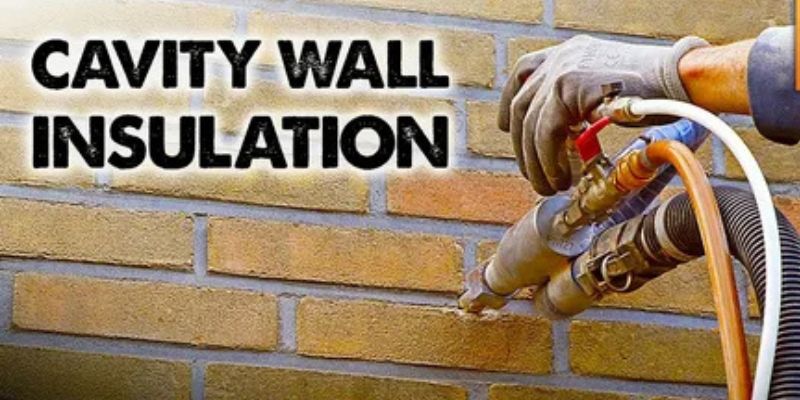
Pumped cavity wall insulation is one of the most affordable ways to improve energy efficiency in Irish homes. In 2026, many homeowners across Ireland are choosing this insulation method to reduce heating bills, improve comfort, and increase home energy ratings.
With energy prices still high, keeping heat inside the home has become more important than ever. Walls can lose up to 30% of a home’s heat if they are not properly insulated. Pumped cavity wall insulation helps solve this problem by filling the empty gap between walls with insulation material.
What Is Pumped Cavity Wall Insulation?
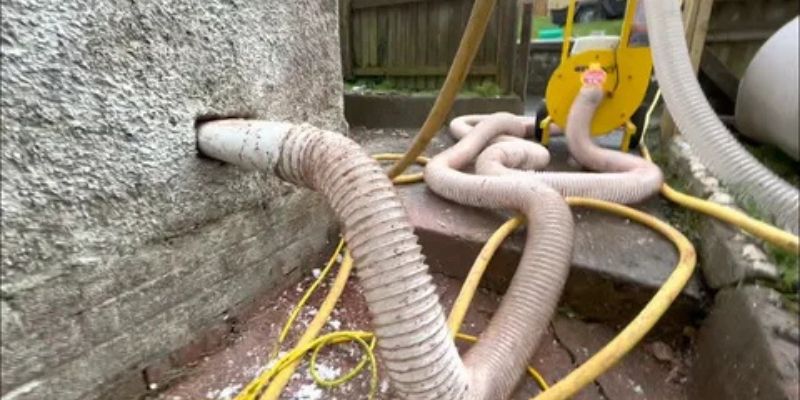
Pumped cavity wall insulation is a process where insulation material is injected into the cavity between the inside and outside walls of a house.
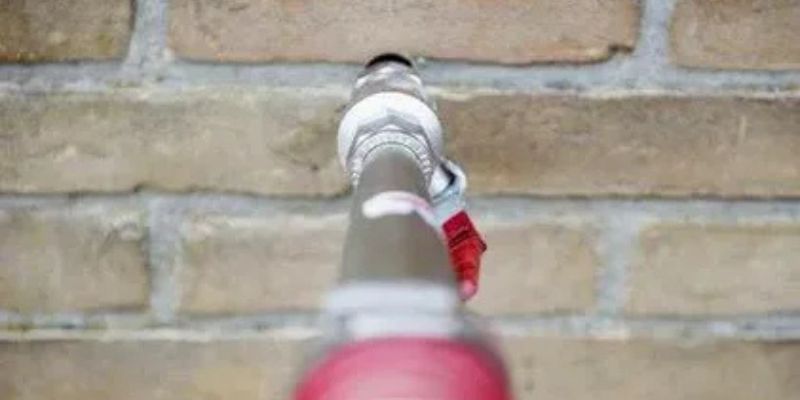
Small holes are drilled into the external wall. Insulation material is then pumped into the cavity, and the holes are sealed afterward.
Common insulation materials include:
- Polystyrene beads
- Mineral wool
- Foam insulation
Average Pumped Cavity Wall Insulation Cost in Ireland 2026
The cost depends on several factors such as house size, wall area, insulation material, and property condition.
Cost Per Square Metre
In Ireland, pumped cavity wall insulation generally costs:
- Around €8.50 to €13 per m²
Average House Costs Before Grants
| Property Type | Average Cost |
|---|---|
| Apartment | €400 – €800 |
| Mid-terrace house | €500 – €1,200 |
| Semi-detached house | €600 – €2,500 |
| Detached house | €1,200 – €3,000 |
Some larger or more complex homes may cost up to €6,000 depending on wall size and access requirements.
Cost After SEAI Grants
The Sustainable Energy Authority of Ireland offers grants to help homeowners reduce insulation costs.
SEAI Grant Amounts for 2026
| Property Type | Standard Grant |
|---|---|
| Apartment | Up to €700 |
| Mid-terrace | Up to €850 |
| Semi-detached | Up to €1,300 |
| Detached house | Up to €1,800 |
Enhanced grants are also available for qualifying welfare recipients, with some grants reaching up to €2,300 for detached homes.
Example of Final Costs After Grants
| Property Type | Typical Cost | Grant | Estimated Final Cost |
|---|---|---|---|
| Mid-terrace | €1,100 | €850 | Around €250 |
| Semi-detached | €1,500 | €1,300 | Around €200 |
| Detached | €2,250 | €1,800 | Around €450 |
What Affects the Cost?
Several factors can change the total price of cavity wall insulation.
1. House Size
Larger homes require more insulation material and labour, increasing the total cost.
2. Wall Area
Detached homes usually cost more because all four walls need insulation, while terrace homes have fewer exposed walls.
3. Cavity Width
Wider cavities need more insulation material. Narrow cavities may require specialist solutions.
4. Existing Wall Condition
If old insulation has failed or walls have damp problems, additional work may be required before installation.
5. Access and Height
Two-storey homes or houses with difficult access may cost more due to additional labour and equipment.
Benefits of Pumped Cavity Wall Insulation
Lower Energy Bills
Insulation reduces heat loss, helping homeowners spend less on heating during cold Irish winters.
Warmer Home
Rooms stay warmer for longer, improving comfort throughout the house.
Better BER Rating
Cavity wall insulation can improve your Building Energy Rating (BER), which may increase property value.
Affordable Upgrade
Compared to external wall insulation, pumped cavity insulation is much cheaper and more cost-effective.
Is Pumped Cavity Wall Insulation Worth It?
Compared to expensive external insulation systems that may cost over €20,000, cavity wall insulation provides strong energy savings at a much lower cost.
Many homeowners also report noticeable improvements in warmth and reduced heating bills after installation. Community discussions online show that prices can vary, so getting multiple quotes is important.
Can Every Home Get Cavity Wall Insulation?
No. Some homes are not suitable.
Homes that may qualify include:
- Houses built after the 1930s
- Properties with cavity walls
- Homes with unfilled wall cavities
Homes that may not qualify include:
- Solid wall homes
- Some older stone or brick houses
- Timber-frame buildings
A professional installer can inspect your walls to confirm suitability.
How Long Does Installation Take?
Most installations take:
- 3 to 5 hours for standard homes
- Up to 1 day for larger detached houses
Tips Before Choosing an Installer
Before hiring a company, homeowners should:
- Compare multiple quotes
- Choose an SEAI-registered contractor
- Check reviews and previous work
- Ask about guarantees
- Confirm if grants are included in the quote
Getting several quotes can help you find the best value and avoid overpaying.
Conclusion
Pumped cavity wall insulation remains one of the most affordable and effective home improvements in Ireland in 2026. Costs typically range from €400 to €3,000 before grants, depending on the size of the home. With generous SEAI grants available, many homeowners pay only a small portion of the total cost.
The upgrade helps reduce energy bills, improve comfort, and increase home energy efficiency. For suitable homes with cavity walls, it is often one of the smartest investments for long-term savings and warmth.