
Internal wall insulation is becoming one of the most popular home upgrades in Dublin and across Ireland in 2026. With rising energy costs and stronger focus on energy-efficient homes, many homeowners are now improving insulation to make their houses warmer and reduce heating bills.
Older homes in Dublin often lose a lot of heat through walls. Many houses built before the 2000s have poor insulation or solid walls without cavities. Internal wall insulation is a practical solution for these properties, especially when external insulation is not possible.
According to Irish energy experts, poorly insulated walls can cause around 30% to 35% of heat loss in a home.
What Is Internal Wall Insulation?
Internal wall insulation, also called dry lining insulation, is a method where insulation material is fitted to the inside surface of external walls. This helps keep heat inside the home and improves energy efficiency.
The insulation is usually installed using:
- Insulated plasterboards
- Mineral wool insulation
- Rigid insulation boards
- Stud wall systems
After installation, the wall is plastered and decorated again.
This type of insulation is commonly used in:
- Older Dublin homes
- Terraced houses
- Period properties
- Homes with solid brick or stone walls
- Buildings where external wall insulation is not suitable
Why Internal Wall Insulation Is Popular in Dublin
Many homes in Dublin were built decades ago and have poor thermal performance. During winter, these houses can become very cold and expensive to heat.
Internal wall insulation helps solve these problems by improving heat retention. It is also useful for homeowners who want to upgrade their BER rating and qualify for energy grants.
Homeowners in Ireland also discuss how internal insulation helps make older homes more comfortable during winter, especially in terraced houses where external insulation may not be practical.
Benefits of Internal Wall Insulation
Lower Heating Bills
One of the biggest advantages is reduced heating costs. Since less heat escapes through the walls, homeowners use less energy to keep rooms warm.
This can lead to significant yearly savings on gas, oil, or electricity bills.
Warmer and More Comfortable Home
Internal insulation keeps indoor temperatures more stable. Rooms feel warmer during winter and more comfortable throughout the year.
Better BER Rating
Adding insulation can improve your Building Energy Rating (BER). A better BER rating can increase property value and make your home more attractive to buyers.
Reduced Condensation
Insulated walls stay warmer, which can help reduce condensation and dampness in some cases.
Suitable for Older Homes
Many traditional Dublin homes cannot use cavity wall insulation because they have solid walls. Internal insulation provides an effective alternative.
Keeps External Appearance the Same
Unlike external wall insulation, internal insulation does not change the outside look of the property. This is important for protected or heritage buildings in Dublin.
Types of Internal Wall Insulation
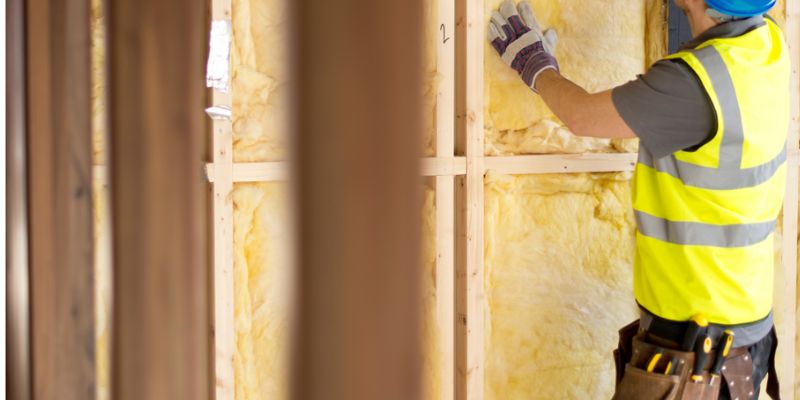
Insulated Plasterboard
This is one of the most common methods in Ireland.
It is quicker to install and works well in many homes.
Stud Wall Insulation
This method can provide very good thermal performance.
Cost of Internal Wall Insulation in Ireland 2026
The cost depends on:
- House size
- Type of insulation
- Condition of walls
- Labour costs
- Amount of preparation work needed
In Ireland during 2026, internal wall insulation generally costs between €4,000 and €10,500 before grants.
For example:
| Property Type | Average Grant |
|---|---|
| Detached House | Up to €4,500 |
| Semi-Detached | Up to €3,500 |
| Mid-Terrace | Up to €2,000 |
| Apartment | Up to €1,500 |
SEAI Grants for Internal Wall Insulation 2026
The Sustainable Energy Authority of Ireland offers grants through the Better Energy Homes Scheme.
These grants help reduce the overall cost of insulation upgrades.
The SEAI also introduced updates in 2026 allowing some homeowners to apply for a second wall insulation measure in certain situations.
Installation Process
Home Assessment
An insulation specialist checks the walls and recommends the best insulation method.
Preparation Work
Sockets, radiators, skirting boards, and furniture may need to be moved.
Installing Insulation
The insulation boards or stud walls are fitted onto the inside walls.
Plastering and Finishing
The walls are plastered, sanded, and prepared for painting.
Final Inspection
The contractor checks the quality of the installation and ensures compliance with energy standards.
Things to Consider Before Installation
Loss of Internal Space
Internal wall insulation slightly reduces room size because insulation is added inside the property.
In most homes, walls may become around 60mm to 100mm thicker.
Temporary Disruption
The work can be disruptive because rooms often need redecorating afterward.
Some homeowners choose to complete insulation during renovations to reduce inconvenience.
Ventilation
Good ventilation is important after insulation work to prevent moisture issues.
Internal vs External Wall Insulation
| Feature | Internal Insulation | External Insulation |
|---|---|---|
| Cost | Lower | Higher |
| Installation | More indoor disruption | Less indoor disruption |
| External Appearance | No change | Changes outside look |
| Space Loss | Yes | No |
| Suitable for Heritage Homes | Often yes | Sometimes restricted |
External insulation usually offers better thermal performance, but internal insulation is often cheaper and more practical for Dublin properties.
Choosing the Right Contractor in Dublin
When selecting a contractor, homeowners should:
- Choose SEAI-registered installers
- Compare multiple quotes
- Check online reviews
- Ask about warranties
- Confirm experience with older Dublin homes
A professional installer can help ensure the insulation performs correctly and meets grant requirements.
Conclusion
Internal wall insulation is an excellent investment for homeowners in Dublin in 2026. It improves comfort, lowers heating costs, increases energy efficiency, and helps reduce heat loss in older homes.
With available SEAI grants, the upgrade has become more affordable for many Irish households. Although installation can cause temporary disruption and slightly reduce room size, the long-term energy savings and comfort benefits make it worthwhile.
For many Dublin homes, especially older terraced or solid-wall properties, internal wall insulation remains one of the best ways to create a warmer and more energy-efficient living space.