
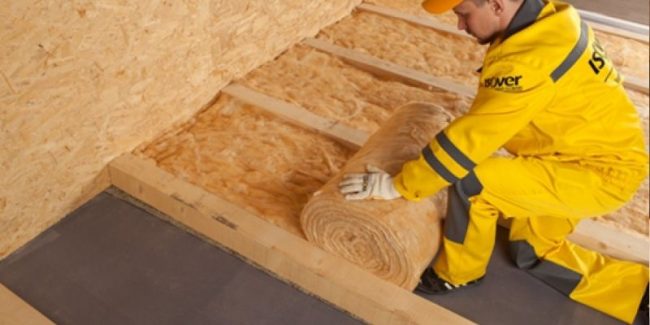
Internal wall insulation is becoming more popular in Dublin as homeowners look for ways to reduce energy bills and keep their homes warm throughout the year. Many houses in Ireland, especially older ones, lose a lot of heat through their walls. Internal wall insulation is a practical solution when external insulation is not possible or allowed.
This article explains what internal wall insulation is, how it works, its benefits, costs, and whether it is the right choice for homes in Dublin.
What Is Internal Wall Insulation?
Internal wall insulation means adding insulation material to the inside walls of a house. The insulation is usually fixed to the internal surface of external walls. It helps stop heat from escaping the building during cold weather and keeps the home cooler during warmer months.
In Dublin, many homes were built before modern building regulations. These houses often have solid walls with no insulation, making them cold and expensive to heat. Internal wall insulation is an effective way to improve comfort and energy efficiency without changing the outside appearance of the property.
Why Internal Wall Insulation Is Popular in Dublin
Dublin has many period homes, apartments, and protected structures. In many cases, homeowners are not allowed to change the exterior of their buildings. This makes external wall insulation difficult or impossible.
Internal wall insulation is a good alternative because:
-
It does not change the outside look of the house
-
It can be installed room by room
-
It improves warmth and comfort quickly
-
It reduces heating costs
With rising energy prices in Ireland, more people in Dublin are choosing internal wall insulation to make their homes more energy efficient.
How Internal Wall Insulation Works
Internal wall insulation creates a thermal barrier on the inside of the wall. This barrier reduces heat loss by stopping warm air from escaping through the walls.
The insulation material is fixed directly to the wall or onto a frame system. After installation, the wall is finished with plasterboard and then painted or decorated. Once completed, the wall looks just like a normal interior wall.
This insulation helps maintain a stable indoor temperature and reduces cold spots and draughts.
Benefits of Internal Wall Insulation
1. Lower Energy Bills
One of the biggest benefits is reduced heating costs. Insulated walls keep heat inside the home for longer, meaning you use less energy to stay warm.
2. Improved Comfort
Homes with internal wall insulation feel warmer in winter and more comfortable all year round. Cold walls and drafts are greatly reduced.
3. Suitable for Older Homes
Many Dublin homes have solid walls that cannot be insulated from the outside. Internal insulation works well for these properties.
4. Quick Results
Once installed, you will notice the difference almost immediately. Rooms heat up faster and stay warm longer.
5. Increased Property Value
Energy-efficient homes are more attractive to buyers. Internal wall insulation can improve your home’s energy rating, which may increase its value.
Things to Consider Before Installation
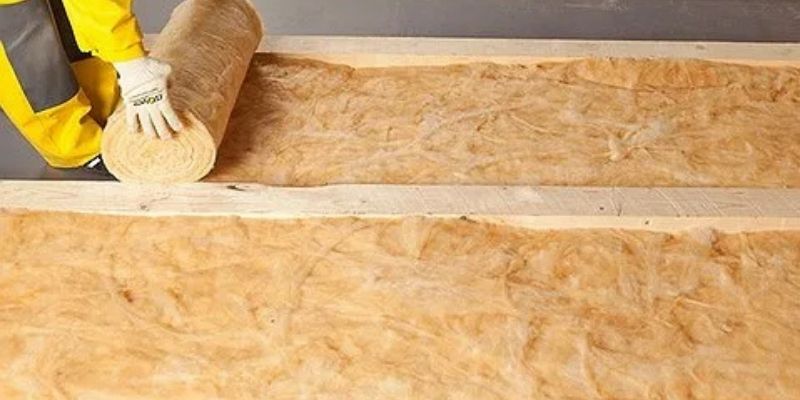
While internal wall insulation has many benefits, there are a few things to think about before installing it.
Loss of Space
Internal wall insulation slightly reduces the size of rooms. This is usually minimal but can matter in smaller spaces.
Disruption During Work
Furniture may need to be moved, and some rooms may be unusable during installation. However, most projects are completed within a short time.
Electrical and Plumbing Adjustments
Sockets, switches, and radiators may need to be adjusted. A professional installer will handle this safely.
Moisture Control
Proper ventilation is important. Poor installation can lead to condensation problems, so it is important to use experienced installers in Dublin who understand Ireland’s climate.
Cost of Internal Wall Insulation in Dublin
The cost of internal wall insulation in Dublin depends on:
-
Size of the property
-
Type of insulation used
-
Condition of the walls
-
Number of rooms being insulated
On average, prices are higher than cavity wall insulation but often cheaper than external wall insulation. Many homeowners choose to insulate key rooms first, such as living rooms and bedrooms, to manage costs.
SEAI Grants in Ireland
Homeowners in Dublin may be eligible for grants from the SEAI (Sustainable Energy Authority of Ireland). These grants help reduce the cost of internal wall insulation when installed by an approved contractor.
Grant availability and amounts can change, so it is important to check current SEAI guidelines before starting work.
Is Internal Wall Insulation Right for Your Home?
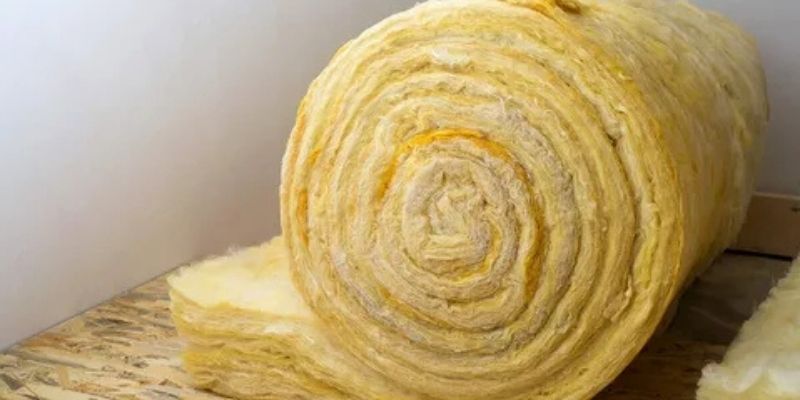
Internal wall insulation is ideal if:
-
Your home has solid walls
-
External insulation is not allowed or practical
-
You want to improve comfort and reduce energy bills
-
You live in an older Dublin property
A professional home energy assessment can help you decide if this option is suitable for your house.
Choosing the Right Installer in Dublin
It is important to hire a qualified and experienced installer. Look for contractors who:
-
Have experience with Irish homes
-
Are familiar with SEAI requirements
-
Offer clear pricing and guarantees
-
Use high-quality materials
Good installation is key to avoiding issues like dampness and heat loss.
Conclusion
Internal wall insulation is a smart investment for many homeowners in Dublin, Ireland. It improves comfort, reduces energy bills, and makes homes more efficient without changing their external appearance. With proper planning, professional installation, and possible SEAI grants, internal wall insulation can be a cost-effective solution for older and modern homes alike.