The Name You Can Trust | Est. 1984

Open post
Gas Boiler Service in Dublin, Ireland

Gas Boiler Service in Dublin, Ireland

A gas boiler service in Dublin Ireland is one of the most important things you can do to keep your home warm, safe, and energy-efficient. Many homeowners only think about their boiler when something goes wrong, especially during the cold months. But regular servicing can prevent breakdowns, save money on repair costs, and make the system last longer.

In Ireland, winters can be cold, damp, and unpredictable. A well-maintained gas boiler ensures you always have reliable heating and hot water when you need it the most. This article explains why servicing your gas boiler is essential, what happens during a service, the benefits, how often you should do it, and how to choose a trusted technician in Dublin.


Why Gas Boiler Service Is Important

Your gas boiler works hard every day, heating water and keeping your home comfortable. Over time, dust, dirt, and normal wear and tear can cause the boiler to lose efficiency or develop faults.

Here are the main reasons why a gas boiler service in Dublin Ireland is necessary:

1. Safety

Safety is the number one reason to service your boiler. Gas boilers use combustion to heat water, and if something goes wrong, it can lead to dangerous situations.
A poorly maintained boiler can leak carbon monoxide, which is a poisonous gas with no smell or colour. Servicing helps detect early warning signs and ensures your boiler is working safely.

2. Better Heating Performance

When a boiler is serviced regularly, it runs more smoothly and efficiently. This means your radiators heat up faster, and your home stays warm without extra energy use.

3. Lower Energy Bills

A clean and efficient boiler uses less gas. This reduces your monthly energy costs. With energy prices rising across Ireland, even a small improvement in efficiency can save money over time.

4. Longer Boiler Lifespan

Regular servicing helps prevent small issues from turning into major problems. This keeps your boiler in good condition and extends its lifespan.

5. Fewer Breakdowns

Most boiler breakdowns happen because basic maintenance was not done on time. A service helps catch problems early, reducing the chances of sudden faults during winter.


What Happens During a Gas Boiler Service?

When you book a gas boiler service in Dublin Ireland, a certified technician (RGI – Registered Gas Installer) will visit your home. They follow a standard checklist to ensure everything is safe and working correctly.

Here is what you can expect:

1. Visual Inspection

The technician checks the overall condition of the boiler, pipes, controls, flue, and ventilation. They look for leaks, corrosion, damaged parts, or anything unusual.

2. Checking the Flue

The flue removes harmful gases from the boiler. The technician makes sure it is not blocked and is safely expelling gases outside.

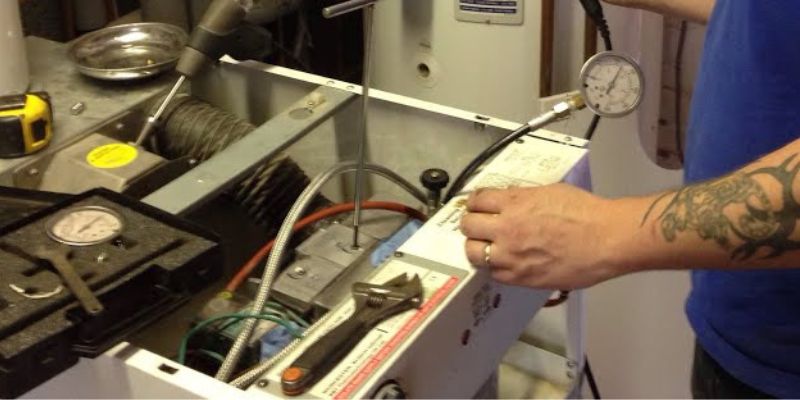
3. Gas Pressure Check

Correct gas pressure is important for a boiler to heat properly. The technician tests the pressure and adjusts it if needed.

4. Cleaning Components

Over time, dirt and dust can collect inside the boiler. The technician cleans important parts like the burner, heat exchanger, and ignition system.

5. Testing Safety Devices

All safety devices, such as flame sensors and thermostats, are tested to ensure they are working properly.

6. Efficiency Tests

The engineer checks how well the boiler is burning gas. If the flame or burner is not performing correctly, they will adjust it to improve efficiency.

7. Final Report

After the service, you receive a written report. This includes details of the checks done, any issues found, and recommendations.


How Often Should You Service Your Gas Boiler?

How Often Should You Service Your Gas Boiler?

In Ireland, it is recommended to service your gas boiler once every 12 months.
An annual service ensures your heating system remains safe and efficient. Some boiler manufacturers even require yearly servicing to keep the warranty valid.

It’s best to book your service in early autumn, before winter begins, so your boiler is ready for the cold months.


Benefits of Regular Gas Boiler Servicing

1. Peace of Mind

Knowing that your system is safe gives you confidence, especially if you have children or elderly family members at home.

2. Reduced Heating Costs

A serviced boiler burns fuel more efficiently, meaning lower gas bills.

3. Better Heating Control

When the boiler works correctly, your home heats evenly, and your hot water supply stays consistent.

4. Environmental Benefits

A well-maintained boiler produces fewer emissions, making it better for the environment.

5. Avoiding Emergency Repair Costs

Emergency repairs can be expensive and stressful. Regular servicing prevents most of these issues.


Signs Your Boiler Needs Servicing Sooner

Even if your annual service is not due yet, you should call a technician in Dublin if you notice any of these signs:

  • Strange noises such as banging, whistling, or bubbling

  • Yellow or orange flame instead of blue

  • Boiler frequently switching on and off

  • Radiators not heating properly

  • Unusual smell from the boiler area

  • Hot water not as hot as usual

  • Increased gas bills without any reason

These symptoms indicate that the boiler may not be working correctly and needs attention.


How to Choose the Right Gas Boiler Service in Dublin Ireland

How Often Should You Service Your Gas Boiler?

Choosing the right technician is important for safety and quality.

Here are tips to help you:

1. Always Choose an RGI Registered Gas Installer

In Ireland, only RGI-approved technicians are legally allowed to work on gas boilers.
You can check this on the RGI website.

2. Check Reviews

Look for companies in Dublin with good customer reviews. Feedback from real customers helps you understand their reliability.

3. Compare Prices

Prices can vary, but the cheapest option is not always the best. Choose someone with experience, good service, and fair pricing.

4. Ask About What’s Included

Some services include full cleaning and tests, while others do minimal checks. Make sure you know what you’re paying for.

5. Choose a Local Dublin Technician

Local companies can respond quickly if you need repairs later.


Conclusion

A gas boiler service in Dublin Ireland is essential for keeping your home warm, safe, and energy-efficient. Regular servicing helps prevent breakdowns, lower energy bills, extend the life of your boiler, and give you peace of mind. With Ireland’s cold and damp winters, ensuring your boiler is in perfect condition is more important than ever.

If you live in Dublin, make sure to book a certified RGI technician for your yearly boiler service. It is a small investment that brings big benefits throughout the year

Open post
Oil Boiler Service in Dublin, Ireland

Oil Boiler Service in Dublin, Ireland

Oil boilers are common in homes across Dublin and the rest of Ireland. They provide reliable heating and hot water, especially in colder months. To keep an oil boiler running safely and efficiently, regular servicing is essential. Many homeowners ignore yearly servicing, which often leads to expensive repairs, higher fuel bills, and unexpected breakdowns. This guide explains why oil boiler servicing matters, what the service includes, and how it benefits Dublin households.


Why Oil Boiler Servicing Is Important

Oil boilers work under high pressure and rely on many internal components. Over time, these parts gather dirt, soot, and sludge from the oil. Without cleaning and inspection, the boiler becomes less efficient and may become unsafe. Ireland has strict safety standards for heating systems, and servicing helps ensure your boiler meets these requirements.

Regular servicing also helps reduce fuel consumption. An unserviced oil boiler can use up to 10–15% more oil. In Dublin, where heating costs are already high, this can significantly increase annual spending. A good service helps maintain efficiency and ensures your boiler uses fuel properly.

Another major reason for regular servicing is safety. Oil boilers produce carbon monoxide if they are not burning fuel correctly. This gas is dangerous and cannot be detected by smell. A trained technician checks the boiler’s combustion to make sure everything is safe.


How Often Should You Service an Oil Boiler?

In Ireland, oil boilers should be serviced once every 12 months. Some insurance policies and home warranty companies require proof of yearly servicing. If you rent a property, the landlord is responsible for maintaining and servicing the heating system.

For older boilers or boilers used heavily, servicing may be needed more often. If you notice signs like unusual noises, bad smells, slow heating, or higher fuel bills, you should book a service immediately.


What Happens During an Oil Boiler Service?

Oil Boiler Service in Dublin, Ireland

A professional oil boiler service in Dublin usually includes the following steps:

1. Visual Inspection

The technician checks the boiler, oil tank, pipes, burner, and overall installation. They ensure there are no leaks, cracks, or signs of wear that could cause safety issues.

2. Cleaning the Burner and Components

Oil boilers collect soot and carbon deposits. The burner, heat exchanger, flue, and other parts are cleaned thoroughly. This helps the system burn fuel more effectively.

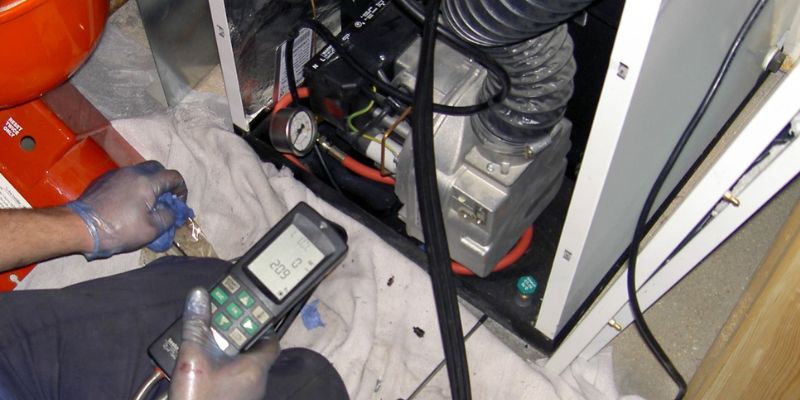
3. Checking the Combustion

The technician uses combustion testing equipment to measure efficiency, smoke levels, and carbon monoxide. Adjustments are made to ensure the boiler burns oil cleanly and safely.

4. Replacing Filters and Nozzles

Oil filters and nozzles often clog due to impurities in the oil. Replacing these improves fuel flow and ensures the boiler operates smoothly.

5. Inspecting the Oil Tank

The oil tank and supply line are checked for sludge, corrosion, or leaks. Problems in the tank can affect boiler performance and contaminate the system.

6. Testing Safety Controls

All safety devices, including thermostats, limit switches, and carbon monoxide detectors, are tested to make sure they work correctly.

7. Adjusting Settings

The technician fine-tunes the system for maximum efficiency. This includes adjusting air supply, fuel flow, and burner settings.

8. Issuing a Service Report

After the service, the technician provides a report listing what was checked, cleaned, or replaced. This is useful for insurance records and future maintenance.


Benefits of Oil Boiler Servicing in Dublin

1. Lower Heating Costs

A clean and well-maintained boiler burns oil more efficiently. This reduces fuel waste and helps homeowners save money, especially during Ireland’s long heating season.

2. Greater Safety

Servicing reduces the risk of carbon monoxide leaks, fires, and other dangerous problems. With proper maintenance, your family stays safe.

3. Fewer Breakdowns

Most boiler breakdowns happen because of poor maintenance. Servicing helps identify small issues before they become expensive repairs.

4. Longer Boiler Life

An oil boiler can last 15–20 years with proper care. Regular servicing extends the lifespan, delaying the need for costly replacement.

5. Better Heating Performance

A serviced boiler heats faster, produces consistent hot water, and keeps your home warm during cold Dublin winters.


Signs Your Oil Boiler Needs Immediate Attention

Signs Your Oil Boiler Needs Immediate Attention

Even if you have regular servicing, certain signs mean your boiler needs urgent help:

  • Strange noises such as banging, whistling, or gurgling

  • Bad smells or smoke coming from the boiler

  • Frequent resetting of the boiler

  • Radiators not heating properly

  • Sudden increase in oil usage

  • Yellow rather than blue flame (indicates unsafe combustion)

If you notice any of these, contact a qualified technician immediately.


Choosing a Professional Boiler Service in Dublin

When selecting an oil boiler service company in Dublin, consider the following:

  • Choose OFTEC-registered technicians

  • Check reviews and experience

  • Ask about what is included in the service

  • Ensure they provide a written service report

  • Verify that they follow Irish safety and installation standards

Cheaper is not always better. A proper service requires testing equipment, time, and skill.


Conclusion

Oil boiler service in Dublin, Ireland is essential for safety, efficiency, and long-term performance. Regular servicing helps reduce fuel costs, prevents unexpected breakdowns, and ensures the heating system runs safely during the cold Irish winter. Whether you use your boiler daily or just for hot water, annual maintenance is one of the most important steps in keeping your home warm, safe, and energy efficient

Open post
Spray Foam Attic Insulation Service in Ireland

Spray Foam Attic Insulation Service in Ireland

Spray foam attic insulation is becoming one of the most trusted insulation solutions for homeowners across Ireland. Because a large amount of heat escapes through the attic and roof, many Irish homes feel cold, uncomfortable, and costly to heat. Spray foam insulation helps solve this by sealing gaps, reducing heat loss, and improving the overall energy efficiency of the home.

This article explains what spray foam attic insulation is, how it works, its benefits, the installation process, safety considerations, and why it is a strong choice for Irish households.


What Is Spray Foam Attic Insulation?

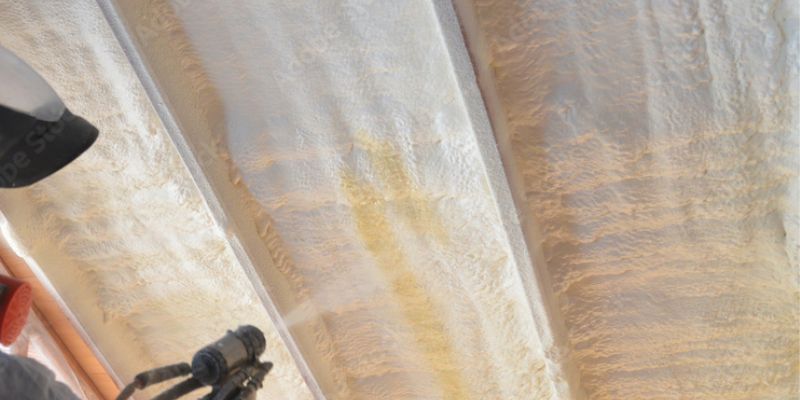
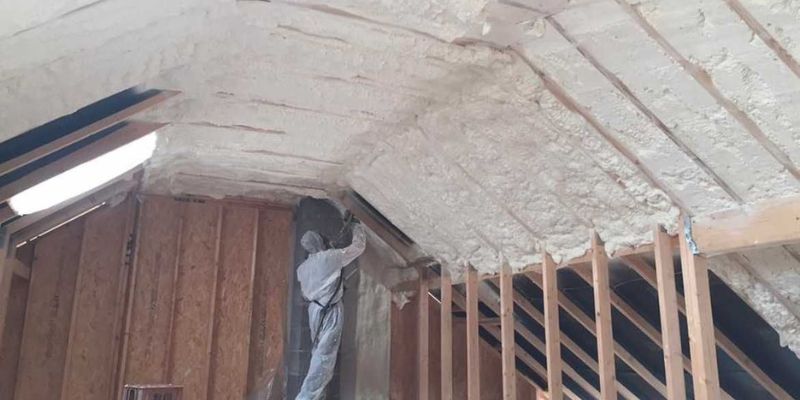
Spray foam attic insulation is an expanding liquid foam applied to attic surfaces such as rafters, joists, and roof decking. Once sprayed, it expands and hardens, creating an airtight barrier. This barrier blocks heat from escaping in winter and prevents cold air from entering the home. It reaches into cracks and deep corners that traditional insulation materials cannot reach, creating a continuous and effective seal.


Importance of Attic Insulation in Ireland

Ireland’s climate is cool, windy, and damp for most of the year. A poorly insulated attic allows a significant amount of heat to escape, which leads to:

  • Higher heating bills

  • Cold rooms and drafts

  • Extra pressure on the heating system

  • Moisture problems in the attic

  • Reduced home comfort

Attic insulation is one of the simplest home improvements with the biggest impact on energy savings. Spray foam insulation offers an efficient and long-lasting solution for Irish homes.


Benefits of Spray Foam Attic Insulation

Benefits of Spray Foam Attic Insulation

1. Improved Heat Retention

Spray foam seals the attic completely, keeping warm air inside the house. This makes the home warmer and more comfortable, especially during the long Irish winters.

2. Lower Heating Bills

Because heat is not escaping through the attic, the heating system runs less frequently. This results in noticeable savings on electricity, oil, or gas bills.

3. Eliminates Drafts and Cold Spots

By sealing tiny gaps and cracks, spray foam reduces drafts and removes cold areas in bedrooms or living spaces. The indoor temperature becomes more consistent throughout the home.

4. Helps Control Moisture and Condensation

Ireland’s damp weather often causes condensation problems in attics. Spray foam provides a protective barrier that reduces moisture buildup, helping prevent mold, mildew, and structural damage.

5. Creates a Sound Barrier

Spray foam insulation also reduces noise from outside, such as wind, traffic, or rain. This creates a quieter and more peaceful living environment.

6. Long-Lasting Performance

Spray foam does not sag, shrink, or move over time. Once installed, it remains effective for many years without needing replacement or maintenance.

7. Makes the Home More Energy Efficient

By preventing heat loss, spray foam increases the overall energy efficiency of the home. This can contribute to better BER (Building Energy Rating) scores in Ireland.


How Spray Foam Attic Insulation Is Installed

The installation process is efficient and usually completed in a single day.

Step 1: Professional Inspection
A certified insulation technician assesses the attic, checks ventilation, roof condition, and identifies areas requiring coverage.

Step 2: Preparing the Area
Stored items are removed or covered. Electrical components are inspected for safety.

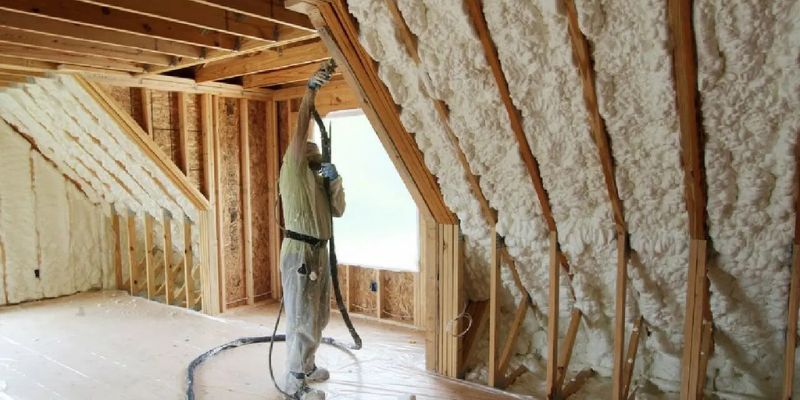
Step 3: Spraying the Foam
The installer uses special equipment to apply the foam across attic surfaces. The foam expands instantly, filling gaps and creating a continuous barrier.

Step 4: Curing and Trimming
After the foam hardens, any excess is trimmed. The team cleans the attic and ensures proper finish.

Step 5: Final Quality Check
The entire installation is inspected to ensure it meets Irish building and safety standards.


Safety and Ventilation Considerations

Proper installation is essential for spray foam insulation to perform well. When installed by certified professionals:

  • Ventilation is assessed before spraying

  • Moisture risks are properly managed

  • The insulation is applied safely and evenly

  • Building regulations are followed

Most concerns about spray foam come from poor installation. Choosing an experienced company ensures long-term safety, quality, and performance.


Is Spray Foam Insulation Worth It in Ireland?

Is Spray Foam Insulation Worth It in Ireland?

Spray foam insulation is a strong choice for homes in Ireland because of its ability to withstand the damp, windy climate while reducing heating costs. Homeowners find it especially valuable if their home has:

  • High electricity or heating bills

  • Cold bedrooms or living areas

  • Drafts around the house

  • Condensation or moisture issues in the attic

  • Old or ineffective existing insulation

It delivers comfort, savings, and long-term value.


Why Choose a Professional Spray Foam Insulation Service in Ireland

Hiring a professional ensures:

  • Proper installation

  • Full attic coverage

  • Compliance with Irish building laws

  • Safe application

  • A warranty on the insulation and workmanship

A reliable Irish insulation provider will give clear guidance, carry out the installation safely, and deliver results that last for decades.


Conclusion

Spray foam attic insulation is an excellent investment for homeowners in Ireland who want to reduce heating costs, eliminate drafts, and improve comfort. It offers strong heat retention, better moisture control, and long-lasting performance. With professional installation, spray foam insulation can significantly improve your home’s energy efficiency and provide a warmer, healthier living environment for many years

Open post
Gas Boiler Repair in Dublin, Ireland

Gas Boiler Repair in Dublin, Ireland

Gas boilers are an essential part of many homes in Dublin, Ireland. They provide heating and hot water throughout the year, especially during the colder months. When a boiler stops working or starts showing warning signs, it can cause major stress and discomfort. This article explains everything homeowners in Dublin, Ireland need to know about gas boiler repair in simple English. It covers why repairs are important, common issues, warning signs, repair costs, professional services, and tips to prevent breakdowns.


Why Gas Boiler Repair Is Important

A properly working boiler keeps your home warm, comfortable, and safe. When a boiler develops a fault, ignoring the problem can cause:

  • Higher energy bills

  • Reduced heating performance

  • Sudden breakdowns

  • Carbon monoxide risks

  • Damage to internal boiler parts

Regular repair and maintenance ensure the boiler works efficiently, saves fuel, and lasts longer. In Dublin, where winters are cold and long, having a reliable boiler is essential.


Common Problems With Gas Boilers

Homeowners in Dublin often experience similar boiler issues. Below are the most common problems that require professional repair:

1. No Heat or Hot Water

The boiler may stop producing heat or hot water due to a failed diaphragm, airlock, thermostat issue, or low water pressure.

2. Boiler Leaks

Leaks can happen around pipes, seals, or internal components. This must be repaired quickly because leaks can cause water damage and rust inside the boiler.

3. Strange Noises

Gurgling, banging, or whistling sounds often point to problems like air in the system, low pressure, or a faulty pump.

4. Low Boiler Pressure

If the pressure gauge is below normal, it may reduce heating performance. The cause could be a leak, bleeding radiators, or a pressure release valve issue.

5. Pilot Light Keeps Going Out

Older boilers have a pilot light that can go out due to a faulty thermocouple or blocked gas supply.

6. Thermostat Not Working

A broken thermostat can cause the boiler to switch off unexpectedly or fail to heat the home properly.

7. Radiators Not Heating

Cold spots or uneven heating usually indicate sludge buildup or air trapped in the system.


Signs Your Boiler Needs Repair

Common Problems With Gas Boilers

You should call a qualified boiler technician in Dublin if you notice:

  • Weak or uneven heating in the home

  • Sudden increase in gas bills

  • Water leaking around the boiler

  • Boiler switching on and off repeatedly

  • Strange smells, especially gas

  • Yellow flame instead of blue

  • Loud noises from the boiler or radiators

Any unusual smell, especially gas, should be treated as an emergency.


Professional Gas Boiler Repair Services in Dublin

In Ireland, anyone working on gas boilers must be a RGII-registered gas installer. This ensures the technician is trained, certified, and legally allowed to repair gas boilers safely.

Professional repair services in Dublin usually include:

1. Full Boiler Inspection

The technician checks all parts of the boiler, including the burner, heat exchanger, pipes, electrical components, and safety controls.

2. Cleaning and System Flushing

Removing dirt, limescale, and sludge helps improve boiler efficiency and prevent future breakdowns.

3. Replacing Faulty Parts

Common replacement parts include pumps, valves, thermostats, sensors, and pressure gauges.

4. Fixing Leaks

All leaks are carefully sealed or faulty components replaced to prevent damage.

5. Carbon Monoxide Testing

Technicians check for CO leaks and ensure the boiler is safe to operate.

6. Restart and Safety Checks

Once repairs are complete, the technician tests the boiler to ensure everything is working safely and correctly.


Cost of Gas Boiler Repair in Dublin

Prices vary depending on the problem and the parts required. However, typical cost ranges include:

  • Minor repair: €80 – €150

  • Part replacement: €120 – €300

  • Major repair: €250 – €600

  • Emergency call-out: €100 – €200 (depending on time and location)

Boilers with older parts or rare components may cost more to repair.


How Long Gas Boiler Repairs Take

Most common boiler repairs can be completed within 1 to 2 hours. However:

  • Complex issues may take 3+ hours

  • Part replacements may require 24–48 hours if parts are ordered

  • Emergency repairs are usually done same day


How to Reduce Boiler Problems in the Future

Common Problems With Gas Boilers

Boiler issues can be prevented with simple steps:

1. Annual Boiler Service

Getting your boiler serviced once a year by an RGII-registered heating engineer helps identify problems early and ensures safe operation.

2. Keep the Boiler Area Clean

Avoid storing items near the boiler to ensure good ventilation and easy access.

3. Check Boiler Pressure Regularly

Maintaining the right pressure helps the boiler run smoothly.

4. Bleed Radiators

Removing trapped air from radiators improves heating performance and reduces strain on the boiler.

5. Insulate Pipes

Pipe insulation prevents freezing in cold months, which can otherwise cause major damage.

6. Use the Heating Regularly

Even in summer, turning the boiler on for a few minutes helps keep internal parts moving.


When to Replace Instead of Repair

Sometimes replacing an old or faulty boiler is more cost-effective. Replacement may be better if:

  • The boiler is more than 12–15 years old

  • Repairs are becoming frequent

  • Replacement parts are hard to find

  • The boiler has poor energy efficiency

Modern gas boilers are more energy-efficient and can save money on heating bills.


Conclusion

Gas Boiler Repair in Dublin, Ireland is essential for keeping your home warm, safe, and energy-efficient. Whether you are facing a minor issue like low pressure or a major breakdown, it is important to contact a certified RGII technician. Regular maintenance, early detection of warning signs, and proper use of the boiler can prevent costly repairs and extend its lifespan. For homeowners in Dublin, taking care of your gas boiler ensures reliable heating throughout the year.

Open post
Air to Water Heat Pump Service in Ireland

Air to Water Heat Pump Service in Ireland

Air to water heat pumps have become one of the most popular heating systems in Ireland. They are energy-efficient, environmentally friendly, and suitable for both new and older homes. However, like any heating system, they need regular service and maintenance to keep working properly. A well-serviced heat pump lasts longer, uses less energy, and gives better heating throughout the year. This article explains why air to water heat pump service is important in Ireland, what the service includes, common problems, costs, and how regular maintenance can save money for homeowners.

Why Heat Pump Servicing Matters in Ireland

Ireland’s climate is cool, damp, and often windy. Consequently, these weather conditions can affect the performance of an outdoor heat pump unit. When the system is exposed to rain, cold temperatures, leaves, dust, and debris, its efficiency can drop. Therefore, regular servicing makes sure the system stays clean and runs at the correct settings.

Heat pumps work by transferring heat from the outside air into your home. However, when the system is not serviced, it must work harder to maintain the same temperature. As a result, electricity usage increases and overall comfort can decrease. Moreover, over time, lack of service can cause mechanical issues that lead to expensive repairs or even system replacement. Therefore, for many homeowners in Ireland, annual servicing is the best way to protect their investment.
How Often Should You Service a Heat Pump?

Most manufacturers recommend servicing the heat pump once a year. In fact, annual maintenance is often required to keep the warranty valid. Additionally, getting a yearly service ensures you stay ahead of potential problems. Moreover, it helps maintain the system’s efficiency throughout the year. Furthermore, some homes, especially those in rural or coastal areas, may benefit from two check-ups per year because of higher exposure to wind, dirt, or salt.

What a Professional Service Includes

How Homeowners Can Help Maintain the System

A professional air to water heat pump service in Ireland usually includes:

  1. Cleaning filters and coils – Dirty components reduce heat transfer and, as a result, force the system to work harder.

    Checking refrigerant levels – Low refrigerant affects heating performance and can even damage the compressor.

    Inspecting the outdoor unit – The technician removes leaves, dirt, and blockages to improve airflow and overall efficiency.

    Testing electrical connections – Loose or damaged wiring can cause breakdowns; therefore, regular checks are essential.

    Checking pressure and temperature settings – This ensures the system runs efficiently and safely throughout the year.

    Inspecting pumps and valves – This helps detect leaks or malfunctions early, preventing costly repairs.

    Running performance tests – These tests confirm the heat pump delivers the right temperature and flow rate.

    Reviewing system controls and thermostat – This ensures the heating schedule is set correctly for your home and comfort needs.

    Altogether, these steps help keep the heat pump in top condition and provide reliable heating and hot water, especially during the cold Irish winter.

    Signs Your Heat Pump Needs a Service

    Even if the system has been serviced recently, you should still watch for signs that it needs attention. Common signs include:

    • Higher energy bills

    • Unusual noises or vibrations

    • Reduced heating or lukewarm water

    • The system turning on and off more frequently

    • Ice building up on the outdoor unit

    • Airflow issues inside the home

    These indicators suggest your heat pump may be struggling; therefore, prompt servicing can prevent further damage.

    Benefits of Regular Heat Pump Servicing

    Lower energy costs
    A serviced heat pump runs more efficiently, using less electricity to heat your home. Consequently, Irish homes can save a significant amount on annual heating bills with proper maintenance.

    Longer system lifespan
    Regular inspections reduce wear and tear. Moreover, most heat pumps can last 15–20 years when serviced properly.

    Fewer breakdowns
    Preventive maintenance helps catch problems early, thereby reducing the chances of sudden system failure on a cold day.

    Consistent heating
    A serviced system delivers steady and comfortable heat throughout your home, ensuring year-round comfort.

    Better environmental performance
    Heat pumps are eco-friendly, and good maintenance keeps emissions low. Additionally, efficient operation reduces overall energy consumption.

    Peace of mind
    Homeowners can rely on their heating system without worrying about unexpected issues, making regular servicing a smart and reassuring choice.

Costs of Heat Pump Servicing in Ireland

The cost of air to water heat pump service in Ireland varies depending on the company, location, and system type. On average, annual servicing costs between €120 and €250. Although this may seem like an extra expense, regular service ultimately saves money in the long term by preventing repairs and reducing electricity usage. Moreover, these savings add up over time, making routine maintenance a practical and cost-effective choice for homeowners

Some service providers offer maintenance contracts or annual plans. These can be useful for homeowners who prefer scheduled check-ups and fixed annual costs.

Choosing a Qualified Technician

It is important to hire a licensed and experienced technician who understands heat pump systems. Always check:

  • Certifications and training

  • Customer reviews

  • Service guarantees

  • Experience with your heat pump brand

  • Availability of emergency support

A skilled professional will ensure your system is serviced correctly and safely.

How Homeowners Can Help Maintain the System

How Homeowners Can Help Maintain the System

While professional servicing is essential, homeowners can take simple steps to keep their heat pump running smoothly:

  • Keep the outdoor unit free from leaves, plants, and snow

  • Clean filters every 2–3 months

  • Make sure vents and radiators are not blocked

  • Check thermostat settings

  • Report unusual behaviour immediately

These small actions help improve efficiency and reduce strain on the system.

Heat Pumps and the Future of Heating in Ireland

Ireland is moving toward cleaner and more energy-efficient heating solutions. Moreover, government incentives, rising energy prices, and climate goals have increased the popularity of heat pumps. In addition, proper maintenance ensures that homeowners get the maximum benefit from this technology and, as a result, contribute to a cleaner environment

As more Irish households switch to heat pumps, regular servicing will become an essential part of home heating care.

Conclusion

Air to water heat pumps provide efficient, reliable, and eco-friendly heating for homes across Ireland. However, they must be serviced regularly to stay in good condition. Moreover, annual maintenance helps reduce energy costs, extend the system’s lifespan, and prevent expensive breakdowns. Additionally, with Ireland’s unpredictable weather, taking care of your heat pump is one of the best ways to guarantee warm, comfortable living all year round. Ultimately, a well-maintained heat pump is a long-term investment that delivers savings, performance, and peace of mind

Open post
Internal Wall Insulation

Internal Wall Insulation Ireland Improving Comfort and Energy

nternal wall insulation is becoming a popular choice among homeowners in Ireland who want to make their homes warmer, more comfortable, and more energy efficient. As energy prices continue to rise across the country, many people are looking for practical ways to reduce heat loss and lower their heating bills. Internal wall insulation is one of the most effective solutions, especially for older Irish homes that were built without modern insulation standards.

In this article, we will explain what internal wall insulation is, why it is useful in Ireland, the key benefits, how the installation process works, and what homeowners should keep in mind before starting the project.


What Is Internal Wall Insulation?

Internal wall insulation is a method of adding insulation material to the inner side of a home’s external walls. Instead of insulating from the outside, the insulation is installed inside the rooms. This helps prevent heat from escaping through the walls, keeping the home warmer for longer.

In Ireland, many older homes, especially those built before the 1980s, have solid walls with little or no insulation. These walls lose a significant amount of heat, which leads to higher energy bills and cold, uncomfortable rooms. Internal wall insulation is a practical way to upgrade such homes without major external construction work.


Why Internal Wall Insulation Works Well for Ireland

Why Internal Wall Insulation Works Well for Ireland

Ireland has a cool, damp climate for most of the year. Homes often experience cold drafts, condensation, and heat loss, especially during the winter months. Because of this, insulation plays a major role in improving living conditions and preventing heat from escaping.

Internal wall insulation is especially helpful in Irish houses for several reasons:

  • Many Irish homes still have poor insulation.

  • Weather conditions make heat retention important all year round.

  • Insulating from outside is not always possible, especially for terraced houses, protected buildings, or homes in tight urban areas.

  • Internal insulation provides flexibility for homeowners who want to improve one room at a time.

This makes internal wall insulation a practical and cost-effective option for homeowners across Ireland.


Benefits of Internal Wall Insulation in Ireland

1. Better Comfort in All Seasons

One of the biggest advantages is improved comfort. Insulated walls reduce cold spots and drafts, making rooms feel warmer and more pleasant. Even during the coldest months, your home stays at a more stable temperature.

2. Lower Heating Bills

Internal wall insulation reduces the amount of heat escaping through the walls. This means you use less energy to heat your home, leading to noticeable savings on energy bills. Over time, the insulation pays for itself through reduced heating costs.

3. Reduced Dampness and Condensation

Many Irish homes suffer from condensation on cold walls, which can lead to mould and damp problems. By adding insulation, the inside wall surface becomes warmer, reducing the chances of moisture forming.

4. Adds Value to the Home

Energy-efficient homes are more attractive to buyers. Improving your Building Energy Rating (BER) can increase the value of your property. Internal wall insulation is a strong investment that improves both comfort and resale value.

5. Suitable for Older Buildings

Some homes in Ireland cannot use external wall insulation due to planning restrictions, heritage rules, or shared walls with neighbours. Internal insulation becomes the best alternative for improving energy efficiency in these cases.


How Internal Wall Insulation Is Installed

The installation process may vary depending on the insulation method, but the general steps are similar:

  1. Assessment – A professional insulator surveys the home, checks the walls, measures heat loss, and identifies any damp issues.

  2. Preparation – Furniture is moved, radiators or electrical fixtures may be temporarily removed, and walls are cleaned.

  3. Insulation Boards Installed – Insulated boards or layers are fixed to the internal walls using adhesive or mechanical fixings.

  4. Vapour Control Layer Added – This prevents moisture from entering the insulation.

  5. Plastering and Finishing – The wall is covered with plasterboard or skimmed to give it a smooth finish.

  6. Painting and Decoration – After drying, the wall can be painted or decorated like a normal internal wall.

The process is clean, straightforward, and usually completed within a few days.


Things to Consider Before Installing Internal Insulation

Things to Consider Before Installing Internal Insulation

While internal wall insulation is very effective, homeowners in Ireland should keep a few things in mind:

1. Slight Loss of Room Space

Because insulation boards are added to the inside of the wall, a small amount of floor space will be lost. This is usually minimal but should be considered for smaller rooms.

2. Managing Electrical Outlets

Sockets, radiators, and switches may need to be moved forward. A professional installer will handle this.

3. Addressing Damp First

If there is existing dampness or water penetration in the wall, it must be fixed before installing insulation. Insulating over damp walls can make the issue worse.

4. Choosing a Qualified Installer

To ensure proper insulation and long-term performance, it’s important to hire an experienced and certified insulation professional in Ireland.


Why Homeowners Across Ireland Are Choosing Internal Wall Insulation

More people in Ireland are turning to internal wall insulation because it offers a combination of comfort, energy savings, and long-term value. It is especially helpful for older homes in Dublin, Cork, Galway, Limerick, Waterford, and rural areas where internal insulation is more practical than external solutions.

With rising heating costs and colder winters, improving insulation has become a priority for many families. Internal wall insulation is a smart way to make your home warmer, healthier, and more energy efficient—without major construction or huge expenses

Conclusion

Internal wall insulation is one of the most effective ways to improve comfort, reduce heat loss, and lower energy bills in Irish homes. With Ireland’s cool and damp climate, insulating from the inside offers a practical solution for both old and modern houses, especially where external insulation is not possible. Although you may lose a small amount of room space, the long-term benefits—better warmth, healthier living conditions, and increased energy efficiency—make it a smart investment for homeowners across the country. By choosing a qualified installer and addressing any damp issues beforehand, internal wall insulation can transform your home into a warmer, more efficient, and more comfortable place to live

Open post

Sustainable Building Insulation Options in Ireland

Across Ireland, more and more people are thinking about how to make their homes energy-efficient and environmentally friendly. One of the biggest changes in the construction industry is the growing demand for sustainable building insulation.

Insulation might seem like a small part of a home, but it plays a very important role. It keeps houses warm in winter, cool in summer, and reduces the amount of energy needed for heating and cooling. When insulation is sustainable, it not only helps homeowners save money but also helps protect the planet.

In Ireland, where the weather can be cold, wet, and windy for much of the year, having good insulation is essential. But now the focus is shifting — it’s not just about comfort anymore. It’s about sustainability, energy efficiency, and reducing environmental impact.


The Shift Toward Sustainable Building Practices

Over the last decade, Ireland has made strong commitments to reduce carbon emissions and promote green living. The construction industry has had to adapt to new building standards that prioritize eco-friendly materials and energy-saving designs.

Traditional insulation methods, though effective, often relied on materials that were not renewable and could harm the environment. Today, both builders and homeowners are searching for alternatives that align with Ireland’s goals for a cleaner, greener future.

This growing awareness has encouraged manufacturers to produce sustainable insulation options that are safe, natural, and environmentally responsible. These new materials perform just as well as traditional ones, but with a smaller carbon footprint.


Government Support and Energy Efficiency Goals

insulation

The Irish government has played a big role in encouraging sustainable insulation through grants and national energy-saving programs.

The Sustainable Energy Authority of Ireland (SEAI) offers several schemes to help homeowners improve their energy efficiency. Through grants for wall, attic, and floor insulation, Irish families can make their homes warmer and reduce energy use without facing huge upfront costs.

These programs have inspired thousands of people to upgrade their homes using sustainable methods. As a result, the demand for eco-friendly building insulation has grown quickly across the country.

Ireland’s long-term climate action plan also supports this change. By 2050, the goal is to reach net-zero carbon emissions, and improving insulation is one of the easiest and most effective ways to achieve that.


Benefits of Sustainable Building Insulation

There are many advantages to choosing sustainable insulation, not just for the environment but for everyone living in the home.

  1. Energy Savings:
    Sustainable insulation helps keep indoor temperatures stable. Homes stay warmer for longer during winter and cooler in summer, which means less energy is needed for heating or air conditioning. Lower energy use directly translates to smaller electricity and gas bills.

  2. Comfort and Health:
    A well-insulated home feels comfortable all year round. Sustainable insulation materials are often breathable and non-toxic, improving indoor air quality. Families can enjoy a healthier living space without worrying about chemicals or allergens.

  3. Environmental Protection:
    Using sustainable insulation reduces pollution and waste. Many of these materials are made from renewable or recycled sources, helping cut down on carbon emissions and landfill waste. Choosing them is an easy way for Irish homeowners to contribute to environmental protection.

  4. Durability and Value:
    Sustainable insulation is long-lasting and requires little maintenance. It adds value to homes and makes them more attractive to potential buyers. As energy efficiency becomes more important, well-insulated homes are in higher demand on the property market.


Rising Public Awareness and Changing Attitudes

One of the reasons sustainable insulation is gaining popularity in Ireland is because of changing attitudes toward the environment. People are now more informed about the effects of climate change and how daily choices can make a difference.

Homeowners are realizing that sustainability doesn’t just mean using solar panels or electric cars — it also includes how houses are built, insulated, and maintained.

Architects and builders are now expected to design with sustainability in mind, ensuring that homes meet modern energy standards. Many construction companies highlight their use of sustainable insulation as a key selling point.

Even in rural areas, where older homes are common, people are investing in insulation upgrades. These improvements not only reduce energy bills but also make homes more comfortable and environmentally responsible.


Economic and Community Impact

The rise in sustainable building insulation has also had a positive impact on Ireland’s economy. It has created new opportunities for local businesses, contractors, and suppliers who provide eco-friendly materials and installation services.

Government grants have helped boost demand, which in turn supports job creation within the green building sector. Local manufacturers are also beginning to explore more sustainable production methods to meet the country’s growing needs.

In many ways, this shift represents a move toward a circular economy — where materials are reused, recycled, and produced with minimal waste. Sustainable insulation fits perfectly into this vision, as it encourages both environmental and economic growth.


The Role of Innovation and Technology

Innovation has played a big role in improving the performance of sustainable insulation materials. New technologies have made it possible to create eco-friendly products that are lighter, more durable, and even more efficient than traditional options.

Irish universities and research centers have also been studying ways to make insulation materials more sustainable and affordable. As a result, builders now have access to a wider range of green materials that perform well in Ireland’s damp and unpredictable climate.

Digital tools, such as building energy rating (BER) assessments, are helping homeowners understand how insulation upgrades can improve their property’s performance. The combination of technology and sustainability is shaping the future of construction in Ireland.


Looking Ahead: A Greener Future for Irish Homes

Looking Ahead: A Greener Future for Irish HomesLooking Ahead: A Greener Future for Irish Homes

Sustainable building insulation is no longer just a niche idea — it’s becoming the new normal across Ireland. With government incentives, growing public awareness, and better technology, the country is moving toward a more sustainable future.

For homeowners, the benefits are clear: lower energy costs, improved comfort, and a positive contribution to the environment. For Ireland as a whole, sustainable insulation represents progress toward national energy goals and a cleaner, greener way of living.

As more people upgrade their homes and new buildings are designed with sustainability in mind, Ireland’s skyline will continue to reflect this important change. Sustainable insulation isn’t just a trend — it’s a lasting commitment to protecting the planet and improving everyday life for everyone.


Conclusion

Sustainable building insulation is gaining popularity in Ireland for all the right reasons. It saves energy, cuts costs, and helps the country move closer to its environmental goals. With strong government support, growing awareness, and innovative solutions, Ireland is leading the way in creating homes that are warm, efficient, and kind to the planet.

Choosing sustainable insulation is one of the simplest and smartest ways for homeowners to make a difference — both for their own comfort and for the future of Ireland.

Open post
Best Dungarvan Insulation Services in Ireland

Best Dungarvan Insulation Services in Ireland

Insulation is one of the most important upgrades for any home in Ireland. With energy costs rising and winters often cold and damp, homeowners in Dungarvan are increasingly looking for the best insulation services to make their houses warmer, more comfortable, and more energy-efficient.

If you live in Dungarvan or the surrounding areas, finding a trusted service provider can save you money in the long run, improve your comfort, and even increase the value of your property. In this article, we will look at why insulation matters, the benefits of choosing a good service, how much it costs in Ireland, what grants are available, and how to select the right contractor.


Why Insulation Matters in Dungarvan

Dungarvan, located in County Waterford, has a typical Irish climate—mild, damp, and windy at times. Homes without proper insulation often lose heat quickly, making it harder and more expensive to keep the house warm. Poor insulation can also cause cold patches, dampness, and higher energy bills.

Good insulation solves these issues by keeping heat inside during the winter and helping your home stay cooler in summer. Over time, this investment pays back by cutting down heating bills and creating a more pleasant living environment.


Benefits of Using Professional Insulation Services

When you choose the best insulation services in Dungarvan, you can expect:

  • Lower energy bills – Your home stays warm without needing to use as much heating.

  • More comfort – Even temperatures across all rooms, fewer cold drafts.

  • Reduced damp and condensation – Helps protect walls and furniture.

  • Increased property value – A well-insulated home often gets a better Building Energy Rating (BER), which can raise its market price.

  • Environmental benefits – Lower energy use means reduced carbon emissions.

Professional services also ensure that the job is carried out properly, with quality materials and correct installation methods.


Cost of Insulation Services in Ireland

Cost of Insulation Services in Ireland

The cost of insulation in Ireland can vary widely depending on the size of your home, the amount of work needed, and the service provider you choose. On average:

  • A smaller project may cost a few thousand euros.

  • Larger projects for bigger houses can reach well over €10,000.

  • If you are planning a full home upgrade, the total cost could be higher.

The good news is that insulation is a long-term investment. The savings on your energy bills can add up over time, making the cost worth it.


Grants and Financial Support

One of the best things about upgrading your insulation in Ireland is the availability of grants. The Sustainable Energy Authority of Ireland (SEAI) provides generous support to homeowners through various schemes.

For example:

  • Grants are available for different kinds of insulation work.

  • Support amounts can be quite high, especially for detached houses.

  • In some cases, you could get thousands of euros in funding.

These grants reduce the upfront cost and make it much easier for homeowners in Dungarvan to upgrade their homes. To benefit, you must use a registered contractor who meets SEAI standards.


Choosing the Best Insulation Service in Dungarvan

Not all insulation providers are the same. Here are some key tips to make sure you choose the best service for your home:

  1. Check if they are SEAI-registered
    This is essential if you want to qualify for grants. It also ensures the contractor meets quality standards.

  2. Look for local experience
    Contractors in Dungarvan who have worked on homes in the area will understand the local climate and housing styles.

  3. Ask for reviews and recommendations
    Word of mouth is powerful. Ask neighbours, friends, or check online reviews for honest feedback.

  4. Compare quotes
    Don’t settle for the first offer. Get at least two or three quotes and compare the services, not just the price.

  5. Check warranties and guarantees
    A reliable service provider should stand behind their work and offer a clear guarantee.

  6. Look at customer service
    The best providers explain the process clearly, answer your questions, and guide you through grant applications.


What to Expect from the Process

When you hire a professional insulation service in Dungarvan, the process usually follows a few simple steps:

  1. Initial survey – A contractor visits your home, checks current conditions, and explains what can be improved.

  2. Quote and plan – You receive a written quote with details of the work, timeline, and costs.

  3. Grant application – If you qualify, the contractor may help you apply for SEAI grants.

  4. Work begins – The team installs the insulation, keeping disruption to a minimum.

  5. Final checks – The contractor makes sure everything is completed to standard.

  6. BER rating – In many cases, your home’s energy rating will improve after the upgrade.


Why Local Services Matter

While you can hire companies from other parts of Ireland, local Dungarvan providers often offer:

  • Faster response times

  • Better knowledge of local housing types

  • A more personal service

  • Easier communication and follow-ups

Supporting local businesses also helps the community and keeps money in the local economy.


Common Mistakes to Avoid

When looking for insulation services, some homeowners make mistakes that cost them time and money. Avoid these:

  • Going for the cheapest option only – Low cost sometimes means poor quality.

  • Not checking SEAI registration – You could miss out on grants.

  • Ignoring reviews or references – Always check past work.

  • Skipping a detailed contract – Make sure everything is in writing, including costs and timelines.


Long-Term Value of Insulation

Best Dungarvan Insulation Services in Ireland

Investing in the best insulation service in Dungarvan is not just about saving money today. It’s about securing comfort for years to come. With energy prices unpredictable, insulation protects you from high bills and gives you peace of mind.

Many homeowners report that their houses feel completely different after proper insulation—warmer, quieter, and more pleasant to live in. Plus, with Ireland’s focus on reducing carbon emissions, having a well-insulated home will continue to grow in importance.


Conclusion

Choosing the best insulation services in Dungarvan, Ireland is one of the smartest decisions a homeowner can make. It improves comfort, reduces bills, increases property value, and benefits the environment.

With financial support available from SEAI grants and plenty of professional service providers in the area, there has never been a better time to upgrade your home. Take the time to compare providers, check reviews, and use local experts to get the job done right.

By making this investment today, you’ll enjoy a warmer, healthier, and more energy-efficient home for many years to come

Open post
Outside House Insulation in Ireland – 2025 Guide

Outside House Insulation in Ireland – 2025 Guide

Outside (external) wall insulation is when insulation boards or materials are fixed to the outside of your home and then covered with a weatherproof finish. It is one of the best ways to make a house warmer, reduce heating bills, and improve comfort — especially in older Irish homes with solid walls. Sustainable Energy Authority of Ireland+1

Why choose outside insulation?

Is your house suitable?

External wall insulation works best on solid walls and some concrete or cavity walls where internal insulation is not possible or would reduce room size. Very old or protected buildings (for example, some traditional stone houses or protected structures) may not be suitable. Always get a surveyor to check your wall type and suitability before starting. Sustainable Energy Authority of Ireland+1

How is it done (simple steps)

  1. A surveyor checks the walls and finds the right system. Sustainable Energy Authority of Ireland

  2. Insulation boards (like mineral wool or EPS/XPS) are fixed to the outer wall. Sustainable Energy Authority of Ireland

  3. A reinforcing mesh is added and a render or cladding finish is applied.

  4. Windows, doors, and rooflines are adjusted where needed to seal gaps and keep the finish neat. Baumit

Typical costs in Ireland (what to expect)

Costs vary a lot by house type, size, the insulation material, and finish chosen. As a rough guide in 2025:

  • Smaller houses or apartments: costs can start lower but depend on how much wall area needs work.

  • Mid-terrace house: many sources give a mid-range total cost (example ranges vary, but homeowners commonly see figures from about €9,000 up to €22,000 depending on the property). insulationcostsireland.com+1

  • Cost per m²: different contractors quote per-square-metre prices. This is useful for estimating but remember full job costs include scaffolding, trims, and finishing. Checkatrade

Always get 2–3 quotes from reputable installers and ask for a detailed breakdown (materials, labour, scaffolding, VAT, finishing). Ask for references and pictures of similar jobs.

Grants and financial help (important)

Outside House Insulation in Ireland – 2025 Guide

The Sustainable Energy Authority of Ireland (SEAI) and other schemes offer grants to help with the cost of wall insulation. The exact amounts and qualifying conditions change, so check SEAI pages or Citizens Information for the latest details and to confirm what your home qualifies for. You must get grant approval before starting work. Sustainable Energy Authority of Ireland+1

Key points about grants:

Planning rules and council concerns

In many cases external insulation does not need planning permission, but rules can vary locally — especially for homes in conservation areas or protected structures. There have been disputes and local council differences about whether planning is needed for some external insulation jobs. Always check with your local council or a qualified contractor before you start. Getting advice early can avoid fines or expensive rework. thesun.ie+1

How long will it last?

A well-installed external insulation system with a good finish can last many years. The protective render or cladding is weather-resistant, but repairs to the finish may be needed over time. Choosing quality materials and installers helps ensure longevity. Baumit

Common risks and how to avoid them

  • Poor installation can trap moisture or cause damp. Use SEAI-registered or trusted installers. Sustainable Energy Authority of Ireland

  • Incorrect finishes or bad flashing around windows can leak — ask to see warranties and aftercare. Baumit

  • Check ventilation and heating controls after insulation — you may need to adjust systems for best comfort and efficiency.

Savings and payback

You will usually see lower heating bills after insulation. The exact payback time depends on energy prices, how well the house was insulated before, and the total cost after any grant. Many homeowners find the investment pays back over several years through reduced heating costs and increased comfort. Premier Insulations+1

Quick checklist before you start

Outside House Insulation in Ireland – 2025 Guide

Conclusion

Outside house insulation is a strong option for Irish homes that want to reduce heat loss, save money on heating, and raise BER ratings. It can be more expensive upfront than some other measures, but generous SEAI grants and long-term savings make it worthwhile for many homeowners. Start with a survey, check grants and local rules, and use trusted contractors to get the best result

FAQs

1. How much does outside house insulation cost in Ireland?
The cost depends on the size of your home, wall area, and finish. On average, Irish homeowners can expect anywhere from €9,000 to €22,000 for a typical house, though prices may be higher or lower depending on materials and labour.

2. Do I need planning permission for outside insulation?
In most cases, planning permission is not required. However, if your home is in a conservation area or is a protected structure, you should check with your local council before starting work.

3. Are grants available for outside house insulation in Ireland?
Yes, the SEAI (Sustainable Energy Authority of Ireland) offers grants to help cover the cost. The grant amount depends on your home type and insulation system. Always apply and get approval before starting work.

4. How long does external insulation last?
A professionally installed system can last decades, often 25 years or more, if maintained properly. Regular checks of the render or cladding will help keep it in good condition.

5. What are the main benefits of outside insulation?
It reduces heat loss, lowers heating bills, makes your home more comfortable, protects walls from weather, and improves your BER rating — which can increase your home’s value

Open post
Attic Insulation Cost in Ireland 2025 – Homeowner’s Guide

Attic Insulation Cost in Ireland 2025 – Homeowner’s Guide

Keeping your home warm and energy-efficient is a top priority for many Irish homeowners. One of the best ways to achieve this is by insulating your attic. Attic insulation reduces heat loss, lowers energy bills, and makes your home more comfortable all year round. If you are planning to insulate your attic in 2025, this guide will help you understand the cost of attic insulation in Ireland, the factors that affect pricing, and why it’s a smart investment.


Why Insulate Your Attic?

Heat naturally rises, which means a large amount of heat escapes through the roof if your attic is not properly insulated. According to energy experts, up to 25–30% of a home’s heat can be lost through the attic. Proper insulation acts as a barrier, keeping the heat inside during winter and preventing your home from overheating in summer.

Some key benefits of attic insulation include:

  • Lower energy bills

  • A warmer and more comfortable home

  • Reduced carbon footprint

  • Increased property value

  • Better soundproofing


Average Cost of Attic Insulation in Ireland (2025)

The cost of attic insulation in Ireland depends on the size of your attic, the insulation material used, and whether professional installation is required. On average in 2025, Irish homeowners can expect to pay:

  • €1,500 to €3,000 for a typical semi-detached house attic insulation

  • €3,000 to €5,000 for larger detached homes

If you only need a simple top-up of existing insulation, the cost will be lower, starting from around €800 to €1,200.


Factors That Affect Attic Insulation Costs

Attic Insulation Cost in Ireland 2025 – Homeowner’s Guide

Several factors can influence the price of insulating your attic in Ireland:

1. Size of the Attic

The bigger the attic, the more materials and labour are required. This directly increases the overall cost.

2. Type of Insulation Material

Different insulation materials come with different price ranges. Natural products like cork or sheep’s wool may be more expensive, while traditional options like fibreglass or mineral wool are usually more affordable.

3. Professional Installation vs DIY

Hiring a registered installer ensures quality work, but it adds labour costs. DIY installation may save money but can be less effective if not done correctly.

4. Access and Condition of the Attic

If your attic is easy to access, installation costs may be lower. However, if it requires flooring, structural changes, or removal of old insulation, the cost will increase.

5. SEAI Grants and Support

In Ireland, the Sustainable Energy Authority of Ireland (SEAI) offers grants for attic insulation. In 2025, grants can reduce the overall cost by €800 to €1,500, depending on your property type.


Grants for Attic Insulation in Ireland

Homeowners in Ireland can apply for attic insulation grants through SEAI. These grants are designed to make homes more energy-efficient and affordable to run.

For example:

  • Apartment/End-of-Terrace House – Around €800 grant

  • Semi-Detached House – Around €1,200 grant

  • Detached House – Around €1,500 grant

This support makes attic insulation much more affordable and helps reduce payback time on your investment.


How Much Can You Save with Attic Insulation?

Insulating your attic not only improves comfort but also saves money in the long term. On average, Irish homeowners can save €300–€500 per year on energy bills after installing attic insulation. Over time, this means the insulation practically pays for itself.


Steps to Insulating Your Attic

If you are planning to insulate your attic in Ireland, here’s a simple process to follow:

  1. Assessment – Get a professional energy assessment of your attic.

  2. Choose Material – Decide on the insulation material based on budget and efficiency.

  3. Apply for Grants – Apply for SEAI grants to reduce your costs.

  4. Hire an Installer – Work with an experienced, SEAI-approved contractor.

  5. Enjoy Savings – Benefit from lower bills and a warmer home.


Is Attic Insulation Worth the Cost?

Attic Insulation Cost in Ireland 2025 – Homeowner’s Guide

Yes – attic insulation is one of the most cost-effective home improvements in Ireland. With grants available, reduced energy bills, and a warmer, greener home, the benefits far outweigh the initial investment.


Conclusion

Attic insulation is an essential step towards creating an energy-efficient and comfortable home in Ireland. In 2025, the cost of attic insulation typically ranges from €1,500 to €3,000, depending on house size and materials, but SEAI grants can reduce this significantly. With annual energy savings and improved living comfort, insulating your attic is a smart decision for every Irish homeowner.


FAQs about Attic Insulation in Ireland

1. How long does attic insulation last?
Most attic insulation materials last 20–40 years, depending on the type and maintenance.

2. Can I install attic insulation myself?
Yes, if your attic is easy to access, you can install insulation yourself. However, professional installation is recommended for best results.

3. How much can I save on heating bills?
You can save between €300–€500 per year, depending on your current energy usage.

4. Does attic insulation add value to my home?
Yes, a well-insulated home is more energy-efficient, which increases property value and makes it more attractive to buyers.

5. Can I get SEAI grants if I already have some insulation?
Yes, if your current insulation is old or below recommended standards, you may still qualify for grants to upgrade it

Posts navigation

1 2 3 4 5