
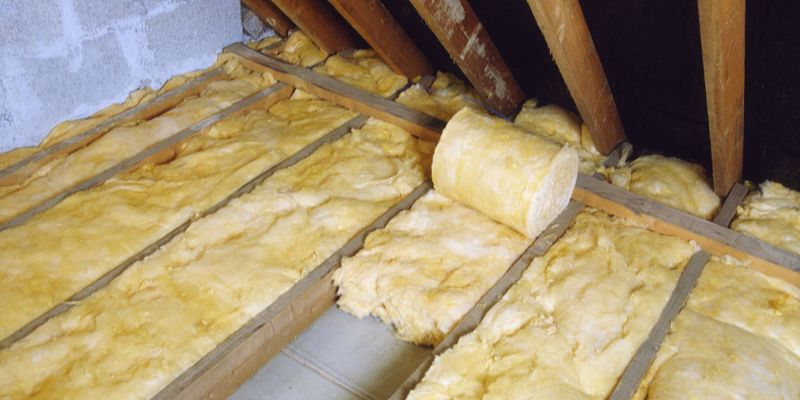
When it comes to keeping your Irish home warm, reducing energy bills, and improving comfort all year round, attic insulation is one of the smartest upgrades you can make. In 2025, with energy prices still high and sustainability becoming more important than ever, homeowners across Ireland are looking for the best ways to make their homes more energy-efficient. And it all starts at the top—with proper attic insulation.
In this blog, we’ll explain why attic insulation matters, what makes insulation effective in 2025, and what to consider when choosing the best solution for your attic—without going into the technical details or materials.
Why Attic Insulation Matters in Ireland
Ireland’s weather is well known for being cool, wet, and unpredictable. Even during summer, the evenings can be chilly, and heating is often needed throughout autumn, winter, and spring. Without attic insulation, heat easily escapes through the roof—up to 30% of your home’s warmth can be lost this way.
That’s a huge waste of energy and money. If your attic isn’t properly insulated, your heating system has to work harder to keep the home warm, which means higher energy bills and unnecessary carbon emissions.
Attic insulation works by trapping heat inside your living space and preventing cold air from entering. It acts as a barrier, keeping your home cosy in winter and cooler during hot summer days. Proper insulation can make a noticeable difference to your comfort and your energy usage.
What Makes Attic Insulation “The Best” in 2025?
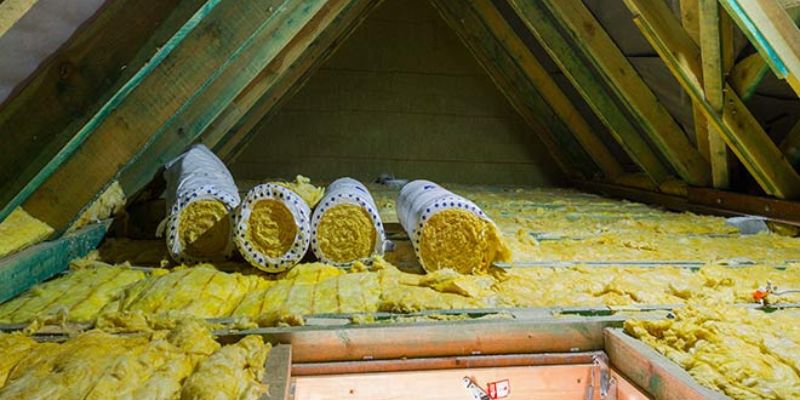
If you’re wondering what the best attic insulation is in 2025, it’s important to understand that it’s not just about the material. The best insulation is the one that:
-
Keeps the heat in
-
Lasts for years
-
Saves you money on heating
-
Supports better air quality
-
Is safe and reliable
-
Meets Ireland’s building standards
-
Can be installed correctly based on your attic type
It also depends on how you use your attic. For example, if your attic is purely for storage or not used at all, your insulation needs will be different from someone converting the attic into a bedroom or home office.
Energy Efficiency and Cost Savings
One of the main reasons Irish homeowners are investing in attic insulation in 2025 is the rising cost of energy. With better insulation, you use less energy to heat your home, which means lower bills every month.
Insulating your attic can reduce your annual heating costs by up to 25%, depending on the size of your home and the existing level of insulation. Over a few years, the savings can pay back the cost of installation—and then some.
Attic insulation is also a smart step towards a higher BER (Building Energy Rating). Homes with higher BERs are more attractive on the property market and are easier to sell or rent out.
Long-Term Home Comfort
In Ireland, where dampness and cold can sneak into older homes, having a properly insulated attic means fewer draughts, warmer rooms, and more even temperatures across the house. You’ll notice the difference when you walk upstairs in winter and don’t get hit by that sudden chill.
Good attic insulation also helps regulate temperature in summer. Though Irish summers are mild, attic rooms can become hot and stuffy without insulation. Insulation slows down the heat transfer from the roof, keeping upper floors cooler during warm days.
Grants and Support for Homeowners in 2025
If you’re thinking about upgrading your attic insulation this year, the Sustainable Energy Authority of Ireland (SEAI) is offering generous grants to support homeowners.
As of 2025, SEAI grants for attic insulation include:
-
Up to €1,500 towards the cost of attic insulation
-
Additional supports for combining insulation with other energy upgrades
-
The Warmer Homes Scheme, which offers free insulation for eligible homeowners (usually those on certain social welfare payments)
You can apply directly on the SEAI website or through a registered contractor. Make sure to check the latest updates, as grants may vary depending on the size and type of your home.
Choosing the Best Installation Service
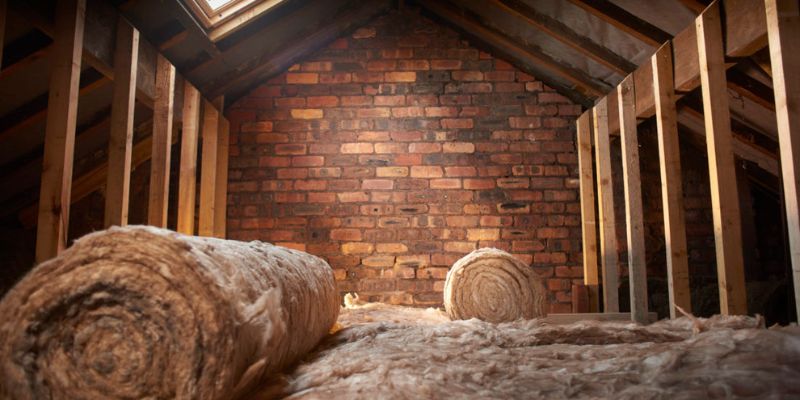
Even the best insulation in the world won’t help if it’s installed poorly. That’s why choosing a qualified and experienced installer is just as important as the insulation itself.
Look for:
-
Installers registered with SEAI
-
Positive local reviews or recommendations
-
Clear written quotes with no hidden fees
-
Guarantees or warranties on the work
-
Knowledge of building regulations in Ireland
An experienced professional will also assess your attic, identify any ventilation or moisture issues, and help you choose the most suitable solution based on your home’s needs.
Things to Consider Before Insulating Your Attic
Here are a few important questions to ask yourself before you start:
-
Is your attic already insulated? If yes, it may need topping up or replacing if it’s old or damaged.
-
Do you plan to use the attic for storage or living space? This affects where and how the insulation is placed.
-
Is your home well-ventilated? Proper ventilation prevents condensation and damp problems.
-
Are there pipes or water tanks in your attic? These may need to be insulated too, especially if your attic gets cold.
-
Do you want to make your home more eco-friendly? Insulation is one of the most effective ways to lower your carbon footprint.
Conclusion
Absolutely—attic insulation is one of the best home improvements you can make in Ireland in 2025. It keeps your home warm, reduces your heating bills, increases your BER, and makes your living space more comfortable year-round.
Best of all, with SEAI grants available and energy efficiency now a major focus for Irish homeowners, there’s never been a better time to act.
You don’t need to know all the technical terms or materials. The key is to work with a trusted expert, understand your home’s needs, and make a decision that pays off in comfort and savings for many years to come.