
Homeowners in Ireland are becoming more careful about energy costs, comfort, and building problems. With rising heating bills and older housing stock, many people want to know what is really happening inside their homes. This is where thermal imaging cameras are becoming very useful.
Thermal imaging cameras are now widely used for home inspections in Ireland. They help find problems that cannot be seen with the naked eye, such as heat loss, insulation gaps, damp areas, and electrical issues. This article explains everything in simple English, especially for Irish homeowners, buyers, landlords, and tenants.
1. What Is a Thermal Imaging Camera?
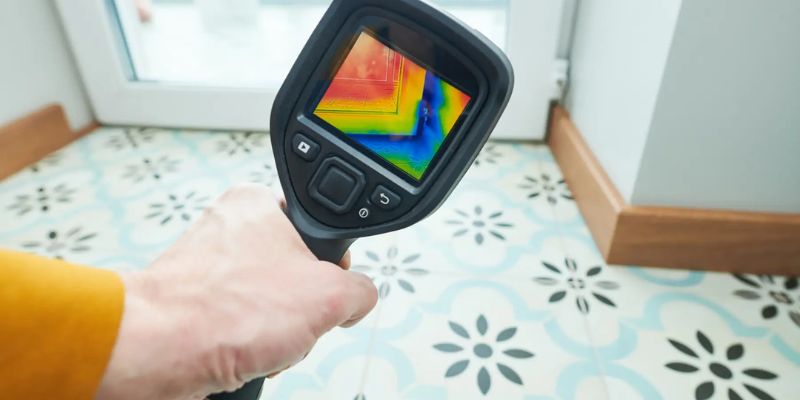
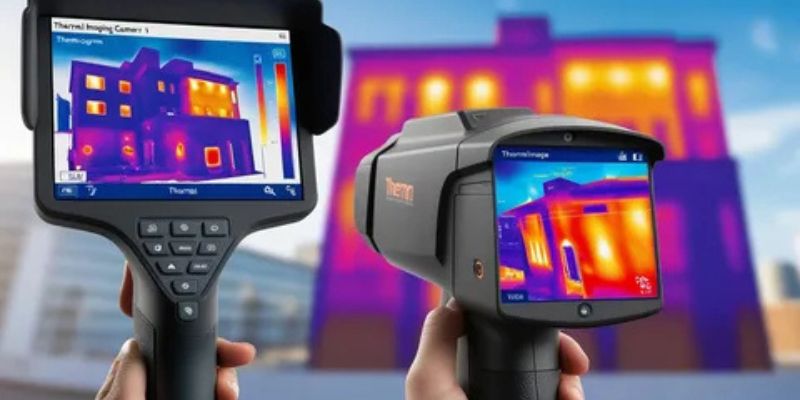
A thermal imaging camera is a special camera that detects heat instead of light. It shows temperature differences on walls, ceilings, floors, and other surfaces using colours.
-
Warm areas usually appear red, orange, or yellow
-
Cold areas appear blue or purple
By looking at these colour differences, inspectors can understand where heat is escaping, where moisture may be present, or where insulation is missing.
Thermal cameras do not see through walls, but they show surface temperature patterns that point to hidden problems.
2. Why Thermal Imaging Is Useful for Home Inspections in Ireland
Ireland has a cool and damp climate, especially in autumn and winter. Many homes are:
-
Older
-
Poorly insulated
-
Affected by damp or draughts
Thermal imaging is very useful in Ireland because it helps identify problems caused by:
-
Heat loss during cold weather
-
Moisture and damp from rain
-
Poor insulation in older buildings
This makes thermal imaging a powerful tool for home inspections across the country.
3. Finding Heat Loss and Poor Insulation
One of the main uses of thermal imaging cameras in Irish homes is finding heat loss.
Thermal imaging can show:
-
Missing or damaged insulation
-
Cold spots in walls or ceilings
-
Heat escaping through roofs
-
Draughts around windows and doors
Many Irish homes lose a lot of heat through:
-
Attics
-
External walls
-
Old windows and doors
By spotting these areas, homeowners can decide where insulation or upgrades are most needed.
4. Helping Reduce Energy Bills
Heating costs are a big concern in Ireland. When heat escapes from a home, the heating system has to work harder.
Thermal imaging helps homeowners:
-
See where energy is being wasted
-
Make smart decisions about insulation
-
Improve home comfort
-
Reduce heating bills
Instead of guessing where the problem is, thermal images give clear visual proof of where improvements are needed.
5. Detecting Damp and Moisture Problems
Damp is a common issue in Irish homes due to:
-
High rainfall
-
Poor ventilation
-
Old building materials
Thermal imaging cameras can help find:
-
Damp walls
-
Water leaks
-
Moisture behind plaster or ceilings
Wet areas often appear cooler than dry areas on a thermal image. This helps inspectors locate moisture without breaking walls or floors.
Early detection of damp can prevent:
-
Mould growth
-
Structural damage
-
Health problems
6. Finding Draughts and Air Leaks
Draughts make homes uncomfortable and increase heating costs.
Thermal imaging can clearly show:
-
Cold air entering through gaps
-
Leaks around windows and doors
-
Poor sealing around floors or attic hatches
Once these areas are identified, simple fixes like sealing gaps or upgrading doors can make a big difference.
7. Electrical Safety Checks
Thermal imaging cameras are also used to check electrical systems during home inspections.
They can help detect:
-
Overheating electrical connections
-
Faulty wiring
-
Overloaded circuits
Hot spots in electrical panels or sockets may indicate a problem that needs attention. Finding these issues early can help prevent electrical fires and improve home safety.
8. Useful for Home Buyers and Sellers
For Home Buyers
If you are buying a house in Ireland, especially an older one, a thermal imaging inspection can:
-
Reveal hidden problems
-
Help you understand future repair costs
-
Give peace of mind before purchase
For Home Sellers
Sellers can use thermal imaging to:
-
Fix problems before listing
-
Show buyers that the home is well maintained
-
Support a better selling price
Thermal imaging adds value by increasing transparency.
9. Supporting Energy Ratings and Retrofits
Thermal imaging is often used alongside energy assessments and retrofit planning.
It helps:
-
Identify the best areas to insulate
-
Plan upgrades more effectively
-
Check the quality of completed insulation work
After insulation or retrofit work, thermal imaging can confirm that the improvements were installed correctly.
10. When Is the Best Time for Thermal Imaging in Ireland?
Thermal imaging works best when there is a clear temperature difference between inside and outside.
In Ireland, the best times are:
-
Autumn
-
Winter
-
Early spring
Cold weather makes heat loss easier to spot. Inspections are usually done early in the morning or late in the evening for best results.
11. What Thermal Imaging Cannot Do
It is important to understand the limits.
Thermal imaging:
-
Does not see through walls
-
Does not replace a full building survey
-
Cannot always identify the exact cause of a problem
It is best used as part of a full home inspection, not as a standalone solution.
12. Who Should Consider a Thermal Imaging Home Inspection?
Thermal imaging is helpful for:
-
Homeowners with high energy bills
-
People experiencing damp or mould
-
Buyers of older homes
-
Landlords checking property condition
-
Homeowners planning insulation or retrofits
It is especially useful in older Irish homes built before modern insulation standards.
13. Is Thermal Imaging Worth It for Irish Homes?
For many homeowners in Ireland, the answer is yes.
Benefits include:
-
Clear understanding of home issues
-
Better energy efficiency decisions
-
Long-term savings on heating
-
Improved comfort and safety
Compared to the cost of energy waste or repairs, thermal imaging inspections are often good value.
Conclusion
Thermal imaging cameras have become an important tool for home inspections in Ireland. They help reveal hidden problems like heat loss, damp, draughts, and electrical issues without damaging the home.
In Ireland’s climate, where heating costs and moisture problems are common, thermal imaging gives homeowners real insight into how their homes perform. Whether you are buying, selling, or improving a home, a thermal imaging inspection can help you make smarter, more cost-effective decisions
FAQs
1. What problems can a thermal imaging camera find in a home?
A thermal imaging camera can find heat loss, missing insulation, draughts, damp and moisture areas, and overheating electrical parts that are not visible to the naked eye.
2. Is thermal imaging useful for older homes in Ireland?
Yes. Thermal imaging is especially useful for older Irish homes, which often have poor insulation, draughts, and damp issues due to age and Ireland’s climate.
3. When is the best time to get a thermal imaging home inspection in Ireland?
The best time is during cold weather, usually in autumn or winter, when there is a clear temperature difference between inside and outside the home.
4. Can thermal imaging detect damp and leaks?
Yes. Thermal imaging can help identify damp areas and possible water leaks by showing cooler patches on walls, ceilings, or floors. Further checks may be needed to confirm the cause.
5. Does thermal imaging replace a full home survey?
No. Thermal imaging does not replace a full home survey. It works best as an additional tool alongside a standard building inspection to give more detailed information