The Name You Can Trust | Est. 1984

Open post
External Wall Insulation in Dublin, Ireland

External Wall Insulation in Dublin, Ireland

External wall insulation is becoming very popular in Dublin and across Ireland. Many homes in Dublin are older and were built before modern insulation standards. Because of this, a lot of heat escapes through the walls, making homes cold in winter and expensive to heat. External wall insulation is an effective solution that helps improve comfort, reduce energy bills, and increase property value.

This article explains what external wall insulation is, why it is important for Dublin homes, its benefits, cost factors, and grant support in Ireland, all in simple and easy English.


What Is External Wall Insulation?

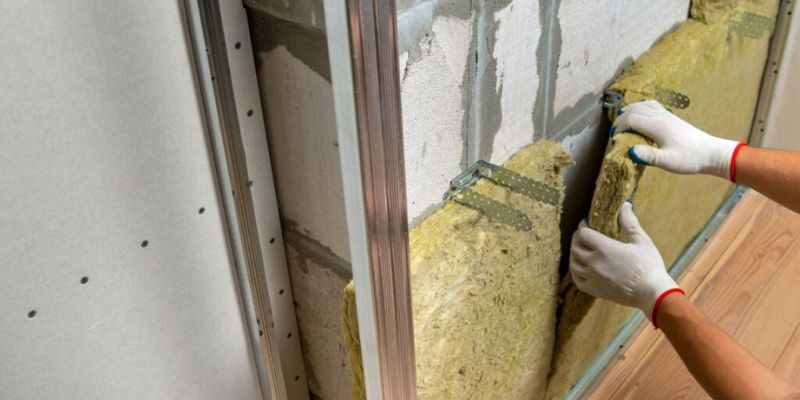
External wall insulation means adding an insulating layer to the outside walls of a house. This insulation is then covered with a protective finish, such as render or cladding. Instead of heat escaping through solid or poorly insulated walls, the insulation helps keep warmth inside the home.

External wall insulation is especially useful for:

  • Older homes

  • Solid wall houses

  • Homes built before 2000

  • Properties with poor energy ratings

Many houses in Dublin fall into these categories, which is why this insulation method is in high demand.


Why External Wall Insulation Is Important in Dublin

External Wall Insulation in Dublin, Ireland

Dublin has a cool and damp climate, with long winters and rising energy costs. Without proper insulation, homes lose heat quickly, forcing homeowners to spend more on heating.

External wall insulation helps Dublin homes by:

  • Reducing heat loss

  • Improving indoor comfort

  • Protecting walls from weather damage

  • Lowering carbon emissions

With Ireland moving towards energy-efficient housing, external wall insulation supports national goals for sustainability and lower energy use.


Benefits of External Wall Insulation

1. Lower Energy Bills

One of the biggest benefits is reduced heating costs. When your home keeps heat inside for longer, your boiler or heating system works less. This can lead to noticeable savings on monthly energy bills.

2. Warmer and More Comfortable Home

External wall insulation keeps indoor temperatures stable. Your home feels:

  • Warmer in winter

  • Less cold near walls

  • More comfortable overall

Cold walls and draughts are common problems in Dublin homes, and insulation helps solve them.

3. Improved Home Appearance

External wall insulation also improves the outside look of your home. Old or damaged walls can be refreshed with a clean, modern finish. Homeowners can choose different colours and textures to suit their style.

4. Better Protection Against Weather

Dublin homes face rain, wind, and moisture throughout the year. External wall insulation adds a protective layer that helps:

  • Reduce damp problems

  • Protect brickwork

  • Extend the life of the building

5. Higher Property Value

Energy-efficient homes are more attractive to buyers. External wall insulation improves the BER rating, which can increase the value of your property and make it easier to sell or rent.


Which Homes in Dublin Are Suitable?

External wall insulation is ideal for:

  • Detached houses

  • Semi-detached houses

  • Terraced homes

  • Older solid wall properties

It is commonly used on homes where cavity wall insulation is not possible or not effective. Many traditional Dublin houses benefit greatly from this solution.


External Wall Insulation and SEAI Grants

In Ireland, homeowners may be eligible for SEAI (Sustainable Energy Authority of Ireland) grants. These grants help reduce the cost of energy-saving upgrades, including external wall insulation.

Why SEAI Grants Matter

  • They make insulation more affordable

  • They encourage energy efficiency

  • They support Ireland’s climate targets


Cost of External Wall Insulation in Dublin

The cost of external wall insulation in Dublin depends on several factors, such as:

  • Size of the house

  • Type of insulation material

  • Wall condition

  • Finish and design choice

  • Access and scaffolding needs

While it can be a larger upfront investment, many homeowners see long-term savings through:

  • Lower heating bills

  • Reduced maintenance costs

  • Increased home value

  • Grant support from SEAI


How Long Does Installation Take?

Most external wall insulation projects take 1 to 2 weeks, depending on the size and complexity of the home. During this time:

  • Scaffolding is installed

  • Insulation boards are fixed

  • Protective and decorative finishes are applied

The work is done outside, so daily life inside the home is usually not disturbed.


Is External Wall Insulation Worth It in Dublin?

External Wall Insulation in Dublin, Ireland

For many Dublin homeowners, the answer is yes. Rising energy costs, older housing stock, and Ireland’s climate make external wall insulation a smart investment.

It helps:

  • Reduce heat loss

  • Improve comfort

  • Lower bills

  • Support a greener Ireland

With SEAI grants available, it has become more accessible than ever.


Choosing the Right Installer in Dublin

To get the best results:

  • Choose an experienced and trusted installer

  • Ensure they are SEAI-registered

  • Ask for references and previous work

  • Request a detailed quotation

A professional installation ensures long-lasting performance and peace of mind.


Conclusion

External wall insulation is an excellent solution for many homes in Dublin, Ireland. It improves energy efficiency, comfort, and appearance while helping homeowners save money in the long run. With the support of SEAI grants and growing awareness of energy efficiency, more Dublin residents are choosing external wall insulation as a reliable home improvement option.

If you own an older or poorly insulated home, external wall insulation could be one of the best upgrades you can make.


(FAQs)

1. What is the main benefit of external wall insulation in Dublin?

The main benefit is reduced heat loss, which leads to lower energy bills and a warmer home, especially during cold Irish winters.

2. Is external wall insulation suitable for old houses in Dublin?

Yes, it is ideal for older solid wall houses, which are common in Dublin and often lose a lot of heat.

3. Can I get a grant for external wall insulation in Ireland?

Yes, SEAI grants are available for eligible homes when the work is completed by an SEAI-registered contractor.

4. Does external wall insulation change the look of my house?

Yes, it can improve the appearance of your home by giving it a fresh, modern exterior finish.

5. How long does external wall insulation last?

When installed correctly, external wall insulation can last 30 years or more with minimal maintenance.

Open post
Floor Insulation Solutions for Homes Across Ireland

Floor Insulation Solutions for Homes Across Ireland

Floor insulation is an important home improvement for homeowners across Ireland. Many houses lose a large amount of heat through the floor, especially older properties. Cold floors can make rooms uncomfortable and increase heating bills. With Ireland’s cool and damp climate, proper floor insulation helps create a warmer, healthier, and more energy-efficient home.

This article explains why floor insulation matters, how it improves comfort, what the installation process involves, costs in Ireland, available grants, and how it benefits homes in both urban and rural areas.

Why Floor Insulation Matters in Irish Homes

Ireland’s weather is often cold, wet, and windy. Without floor insulation, cold air can enter the home from below, making rooms feel chilly even when the heating is on. Heat escapes easily through uninsulated floors, forcing heating systems to work harder.

Floor insulation helps reduce this heat loss. It creates a barrier between the cold ground and the living space above. As a result, homes stay warmer for longer, and heating systems become more efficient.

Key benefits include:

  • Warmer floors and rooms

  • Reduced heat loss

  • Lower energy bills

  • Less draughts

  • Improved indoor comfort

For many Irish homeowners, floor insulation is a simple upgrade with long-term benefits.

Comfort Improvements You Can Feel

One of the biggest advantages of floor insulation is improved comfort. Cold floors are a common problem in Irish homes, especially during winter. Insulated floors stay warmer underfoot, making living spaces more pleasant.

Rooms also maintain a more even temperature. Heat no longer escapes through the floor, which helps prevent cold spots. This is especially helpful for families with young children, elderly residents, or anyone who spends a lot of time at home.

Energy Efficiency and Lower Heating Costs

Heating costs in Ireland continue to rise. Floor insulation helps reduce energy use by keeping heat inside the home. When less heat is lost, boilers and heating systems do not need to run as often.

Over time, this leads to noticeable savings on energy bills. Many homeowners find that the cost of floor insulation pays for itself through reduced heating expenses. It also helps improve the home’s Building Energy Rating (BER), which can increase property value.

Moisture Control and Health Benefits

Floor Insulation Solutions for Homes Across Ireland

Uninsulated floors can allow damp air to rise into living spaces. This can cause condensation, mould growth, and poor indoor air quality. These issues are common in Ireland due to high humidity levels.

Floor insulation helps control moisture by reducing cold surfaces where condensation forms. A drier home is healthier, especially for people with asthma, allergies, or respiratory problems. Better indoor air quality also creates a more comfortable living environment.

The Floor Insulation Installation Process

The floor insulation process usually begins with a home assessment. A professional installer checks the condition of the floors and identifies areas where heat loss is occurring. This ensures the solution is suitable for the property.

Installation is usually straightforward and causes minimal disruption. In many cases, the work can be completed within a short period. Professional installation ensures the insulation performs well and lasts for many years.

Cost of Floor Insulation in Ireland

The cost of floor insulation in Ireland depends on several factors, including:

  • Size of the home

  • Condition of the floors

  • Ease of access

  • Installation complexity

While costs vary, floor insulation is considered a cost-effective upgrade. The reduction in heating bills helps offset the initial expense over time. Many homeowners view it as a smart long-term investment.

SEAI Grants for Floor Insulation

Homeowners across Ireland may qualify for financial support through the Sustainable Energy Authority of Ireland (SEAI). These grants help reduce the cost of energy-efficiency upgrades, including floor insulation.

To qualify, the work must be carried out by an SEAI-registered contractor, and the property must meet certain criteria. Applying for a grant makes floor insulation more affordable and encourages homeowners to improve energy efficiency.

Suitable for All Homes Across Ireland

Floor insulation solutions are suitable for homes in cities, towns, and rural areas across Ireland. Whether you live in an older property or a newer build, improving floor insulation can make a noticeable difference.

Homes in exposed or coastal areas benefit greatly, as insulation helps protect against cold winds and damp conditions. Even well-heated homes can feel more comfortable after upgrading floor insulation.

Long-Term Value and Sustainability

Floor Insulation Solutions for Homes Across Ireland

Floor insulation is not just about comfort today; it also supports long-term sustainability. Reducing energy use lowers carbon emissions and helps Ireland move toward a more energy-efficient future.

An insulated home requires less heating, which is better for the environment and household finances. It also adds value to the property, making it more attractive to future buyers.

Conclusion

Floor insulation solutions for homes across Ireland provide warmth, comfort, and energy savings. By reducing heat loss, controlling moisture, and improving indoor comfort, floor insulation creates a healthier living environment.

With rising energy costs and available grants, now is an ideal time to invest in floor insulation. It is a practical upgrade that delivers long-lasting benefits for Irish homeowners, helping homes stay warm, efficient, and comfortable all year round.

FAQS

1. Is floor insulation worth it in Ireland?

Yes, floor insulation is worth it in Ireland due to the cold and damp climate. It helps reduce heat loss, keeps floors warmer, and lowers heating bills, making homes more comfortable and energy-efficient.

2. How long does floor insulation last?

Floor insulation is a long-term solution. When installed correctly, it can last for many years without needing replacement, providing ongoing comfort and energy savings.

3. Will floor insulation reduce my energy bills?

Yes, floor insulation helps keep heat inside your home. This reduces the need for constant heating, which can lead to noticeable savings on energy bills over time.

4. Is floor insulation suitable for older homes in Ireland?

Yes, floor insulation is suitable for many older Irish homes. It is especially helpful in properties that experience cold floors, draughts, and high heat loss.

5. Can I get a grant for floor insulation in Ireland?

Many homeowners may be eligible for support through SEAI grants. These grants help reduce the cost of floor insulation when the work is carried out by an approved contractor.

Open post
How Attic Insulation Helps Irish Homes Stay Warm

How Attic Insulation Helps Irish Homes Stay Warm

Attic insulation plays a very important role in keeping Irish homes warm and comfortable. Because Ireland has a cool, damp climate with long heating seasons, many homes lose heat quickly if they are not insulated properly. One of the biggest areas of heat loss is the attic or roof space. By improving attic insulation, homeowners can reduce heat loss, lower energy bills, and enjoy a warmer home all year round.

Why Heat Is Lost Through the Attic

Warm air naturally rises. In a house, the heat produced by radiators, stoves, and heating systems moves upward. If the attic is not insulated well, this warm air escapes through the roof. In fact, up to 25% of a home’s heat can be lost through an uninsulated attic.

In Ireland, where homes are heated for much of the year, this heat loss can lead to higher energy bills and cold rooms. Attic insulation acts as a barrier that slows down this heat loss and keeps warm air where it belongs—inside the home.

What Is Attic Insulation?

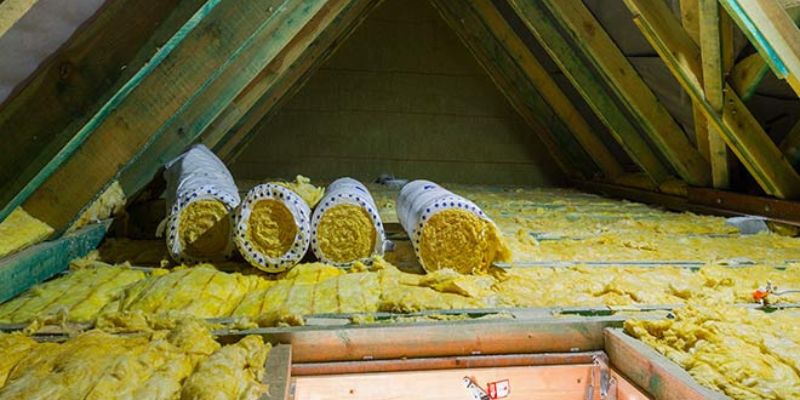
Attic insulation is material that is installed in the roof space to reduce heat transfer. It is usually laid between and over ceiling joists or applied directly to the underside of the roof, depending on the type of insulation used.

Common types of attic insulation in Ireland include:

  • Mineral wool (fibreglass or rock wool)

  • Rigid insulation boards

  • Spray foam insulation

Each type helps reduce heat loss, but the right option depends on the home’s design, budget, and ventilation needs.

How Attic Insulation Keeps Homes Warm

How Attic Insulation Helps Irish Homes Stay Warm

Attic insulation works by slowing the movement of heat. Instead of warm air escaping through the roof, the insulation traps it inside the living space below.

During winter, this means rooms stay warmer for longer without needing the heating on all the time. During milder months, insulation also helps maintain a steady indoor temperature, preventing sudden cold or heat changes.

As a result, homes feel more comfortable, with fewer cold spots and less need for extra heating.

Reduced Heating Costs

One of the biggest benefits of attic insulation for Irish homeowners is reduced heating costs. When less heat escapes through the roof, the heating system does not have to work as hard. This leads to lower energy use and smaller heating bills.

Many homeowners notice savings soon after installing attic insulation. Over time, these savings can add up, making insulation a cost-effective home improvement.

Improved Comfort in Every Room

Poor attic insulation can make certain rooms feel colder, especially upstairs bedrooms. Cold ceilings and draughts can make the home uncomfortable, even when the heating is on.

Proper attic insulation helps create even temperatures throughout the house. Rooms feel warmer, floors stay more comfortable, and draughts are reduced. This is especially helpful during cold Irish winters.

Protection Against Damp and Condensation

Ireland’s damp climate means moisture is a common concern in many homes. Warm air carrying moisture can rise into the attic and condense on cold surfaces if insulation is poor.

Good attic insulation helps reduce this problem by keeping warm air inside the home and maintaining a more stable temperature in the roof space. When installed correctly with proper ventilation, attic insulation can lower the risk of condensation, mould, and damp-related issues.

Longer Life for Your Heating System

When a home loses heat quickly, the heating system must run more often to maintain a comfortable temperature. Over time, this extra use can cause wear and tear on boilers and radiators.

By reducing heat loss, attic insulation helps heating systems work more efficiently. This can extend their lifespan and reduce the need for repairs or replacements.

Suitable for Older and Newer Homes

How Attic Insulation Helps Irish Homes Stay Warm

Attic insulation is suitable for both older and newer homes in Ireland. Many older houses have little or outdated insulation, making them ideal candidates for an upgrade. Even newer homes can benefit from improved insulation to meet higher energy efficiency standards.

Most attic insulation installations can be completed quickly and with minimal disruption, making it a practical upgrade for many households.

Grants and Energy Efficiency in Ireland

In Ireland, improving home insulation can also increase a property’s energy rating. A better Building Energy Rating (BER) can make a home more valuable and attractive to buyers.

In addition, some homeowners may qualify for SEAI grants, which help reduce the cost of attic insulation. These grants encourage energy-efficient improvements and make insulation more affordable.

Conclusion

Attic insulation is one of the most effective ways to keep Irish homes warm. By reducing heat loss through the roof, it helps lower energy bills, improve comfort, and protect homes from damp and condensation.

With Ireland’s cool and wet climate, investing in attic insulation is a smart and practical decision. Whether you live in an older property or a newer home, proper attic insulation can make a noticeable difference in warmth, comfort, and energy efficiency for many years to come.

Open post
What Is Spray Foam Insulation and How Does It Work?

What Is Spray Foam Insulation. How Does It Work?

Spray foam insulation is one of the most effective ways to insulate homes and buildings in Ireland. With rising energy costs and colder, damper weather, many homeowners are looking for better ways to keep their houses warm, dry, and energy efficient. Spray foam insulation has become a popular choice because it seals gaps, reduces heat loss, and improves comfort all year round.

What Is Spray Foam Insulation?

Spray foam insulation is a modern insulation material that is applied as a liquid and then expands into a foam. Once sprayed onto walls, roofs, floors, or attics, it quickly expands and then hardens. As a result, this expansion allows the foam to flow into and seal even the smallest cracks and gaps, which means areas that traditional insulation materials often miss are fully covered. In this way, spray foam creates a continuous and effective insulation layer throughout the space.

The foam is made from two main chemicals that mix during application. When combined, they react and expand, creating a strong insulating layer. After curing, the foam becomes solid and long-lasting.

In Ireland, spray foam insulation is commonly used in:

  • Attics and loft spaces

  • Walls and cavities

  • Roofs and ceilings

  • Floors and crawl spaces

  • Agricultural and commercial buildings

How Does Spray Foam Insulation Work?

Spray foam insulation works in three main ways: insulation, air sealing, and moisture control.

First, it provides excellent thermal insulation. The foam has a high resistance to heat flow, which helps keep warm air inside during winter and outside during summer. This is especially important in Ireland’s cool and wet climate, where heat loss can be a major problem.

Second, spray foam acts as an air seal. Unlike traditional insulation, which can leave small gaps, spray foam expands to seal cracks around pipes, wiring, and joints. This stops cold draughts and prevents warm air from escaping, helping your home stay comfortable.

Third, spray foam helps control moisture. Many Irish homes suffer from dampness due to rain and humidity. Spray foam reduces air movement that carries moisture, lowering the risk of condensation, mould, and mildew.

Types of Spray Foam Insulation

What Is Spray Foam Insulation and How Does It Work?

There are two main types of spray foam insulation used in Ireland:

Open-Cell Spray Foam

Open-cell foam is lighter and softer. It expands more and is ideal for filling large spaces. Good insulation and soundproofing and is often used in walls and roof spaces. It allows some moisture to pass through, which can be useful in certain building designs.

Closed-Cell Spray Foam

Closed-cell foam is denser and stronger. It offers higher insulation value and acts as a vapour barrier. This type is often used in areas where extra strength and moisture resistance are needed, such as roofs, floors, and external walls. It is more expensive but very durable.

Why Spray Foam Insulation Is Popular in Ireland

Irish homes face unique challenges due to the climate. Cold winters, frequent rain, and strong winds can cause heat loss and damp issues. Spray foam insulation helps solve these problems by creating a tight seal around the building.

Some key benefits include:

  • Lower energy bills by reducing heat loss

  • Warmer homes with fewer cold spots

  • Reduced draughts and noise from outside

  • Protection against damp and mould

  • Long lifespan, often lasting the lifetime of the building

Many homeowners notice immediate improvements in comfort after installation.

Where Can Spray Foam Insulation Be Installed?

Spray foam insulation is very flexible and can be used in many parts of a home. For example, in attics, it is often sprayed directly onto the underside of the roof, which helps turn a cold attic into a warmer and more usable space. Similarly, in walls, the foam expands to fill cavities completely, ensuring that no gaps or weak spots are left behind. In addition, when applied under floors, helps stop cold air from rising up from the ground, thereby improving overall comfort inside the home.

It is also widely used in farm buildings, warehouses, and commercial properties across Ireland due to its strength and efficiency.

Is Spray Foam Insulation Safe?

What Is Spray Foam Insulation and How Does It Work?

When installed correctly by trained professionals, spray foam insulation is safe and effective. The area must be properly ventilated during installation, and homeowners usually stay out of the house for a short time while the foam cures.

Once cured, the foam is stable and does not release harmful gases. Choosing an experienced Irish insulation contractor is important to ensure proper application and compliance with building regulations.

Is Spray Foam Insulation Worth It?

Although spray foam insulation can cost more upfront than traditional insulation, many Irish homeowners find it worth the investment. The energy savings over time, improved comfort, and reduced maintenance costs often outweigh the initial price.

With energy prices in Ireland continuing to rise, improving insulation is one of the smartest upgrades a homeowner can make.

Conclusion

Spray foam insulation is a modern, efficient solution for insulating homes in Ireland. It works by expanding to seal gaps, reduce heat loss, and protect against moisture. Whether you are renovating an older house or building a new one, can help create a warmer, healthier, and more energy-efficient home.

If you want long-term comfort, lower heating bills, and better protection against Ireland’s damp climate, spray foam is definitely worth considering.

Open post
How Much Does Power Flushing Cost in Ireland?

How Much Does Power Flushing Cost in Ireland?

Power flushing is a cleaning service for your central heating system. Over time, dirt, rust, and sludge build up inside radiators, pipes, and the boiler. This can make your heating system work poorly and increase energy bills. Power flushing removes this buildup and helps your system run better.

In this article, we will explain how much power flushing costs in Ireland, what affects the price, and whether it is worth paying for.


What Is Power Flushing?

Power flushing is a professional process that cleans your heating system using a powerful pump and special cleaning chemicals. These chemicals push water through the system at high speed to remove sludge, rust, and debris.

This service is usually done by a qualified heating engineer and takes a few hours, depending on the size of the system.


Average Power Flushing Cost in Ireland

In Ireland, the average cost of power flushing usually ranges between €300 and €700.

Here is a general price guide:

  • Small homes (1–5 radiators): €300 – €400

  • Medium homes (6–10 radiators): €400 – €550

  • Large homes (10+ radiators): €550 – €700

These prices are estimates. The final cost can be higher or lower depending on several factors, which we explain below.


What Affects Power Flushing Prices in Ireland?

How Much Does Power Flushing Cost in Ireland?

Several things can affect how much you pay for power flushing.

1. Number of Radiators

The more radiators you have, the more time and chemicals are needed. Homes with many radiators usually cost more to flush.

2. Size of the Heating System

Larger systems take longer to clean and require stronger flushing equipment, which increases the price.

3. Level of Sludge and Dirt

If your system is very dirty or has not been cleaned for many years, it may take longer to flush properly. This can increase the cost.

4. Location in Ireland

Prices can be slightly higher in big cities like Dublin due to higher labour costs. Rural areas may be a bit cheaper.

5. Type of Property

Apartments and small houses are usually cheaper to flush than large detached homes.

6. Extra Services

Some engineers include extras such as adding inhibitor chemicals or system checks. These may increase the total cost.


Is Power Flushing Worth the Cost?

Yes, in most cases, power flushing is worth the money.

Here are some benefits:

  • Better heating performance – Radiators heat up faster and more evenly

  • Lower energy bills – A clean system uses less energy

  • Longer boiler life – Less strain on the boiler

  • Fewer breakdowns – Reduced risk of blockages

  • Quieter system – Less noise from pipes and radiators

While power flushing has an upfront cost, it can save money over time by improving efficiency and reducing repair needs.


Signs You May Need Power Flushing

You may need power flushing if you notice any of these problems:

  • Radiators are cold at the bottom

  • Heating takes a long time to warm up

  • Boiler makes strange noises

  • Dirty water comes out when bleeding radiators

  • Some radiators do not heat at all

  • High heating bills with poor heat output

If you have more than one of these issues, power flushing may be a good solution.


How Long Does Power Flushing Take?

Most power flushing jobs in Ireland take between 3 and 6 hours.
Small systems may take less time, while larger or very dirty systems can take longer.

The engineer will usually test the system before and after flushing to make sure it is working properly.


Can Power Flushing Damage My System?

When done by a trained professional, power flushing is safe.
However, very old or badly damaged systems should be checked first. A good heating engineer will inspect your system and let you know if power flushing is suitable.


How Often Should Power Flushing Be Done?

Power flushing is not needed every year.
In general, it is recommended every 5 to 7 years, or when you install a new boiler.

Many boiler manufacturers in Ireland also recommend power flushing before fitting a new boiler to protect the warranty.


How to Save Money on Power Flushing in Ireland

How Much Does Power Flushing Cost in Ireland?

Here are a few tips to reduce costs:

  • Get quotes from at least 2–3 local engineers

  • Ask what is included in the price

  • Choose a trusted, experienced professional

  • Avoid very cheap offers that may cut corners

A proper power flush done once is better than a poor job that causes problems later.


Conclusion

Power flushing prices in Ireland usually range from €300 to €700, depending on the size of your home, number of radiators, and system condition. While it may seem expensive at first, the benefits often outweigh the cost.

A clean heating system works better, uses less energy, and lasts longer. If your radiators are not heating properly or your boiler is under stress, power flushing can be a smart investment for Irish homes.


FAQs

Q1: Is power flushing messy?
No, professionals use clean equipment and protect your home during the process.

Q2: Does power flushing include chemicals?
Yes, cleaning chemicals are usually included in the price.

Q3: Can I stay at home during power flushing?
Yes, you can stay at home, but heating and hot water may be off temporarily.

Q4: Is power flushing required for new boilers?
Many installers recommend it to protect the new boiler and keep the warranty valid.

Open post
Under Floor Insulation Solutions for Irish Homes

Under Floor Insulation Solutions for Irish Homes

Under floor insulation is one of the best ways to make homes in Ireland warmer, more comfortable, and more energy efficient. Many Irish houses lose a lot of heat through the floor, especially older homes with suspended timber floors. By insulating the floor, homeowners can reduce heat loss, lower energy bills, and enjoy a warmer living space all year round.

Ireland has a cool and damp climate, so keeping heat inside the home is very important. Cold floors can make rooms uncomfortable, even when the heating is on. Under floor insulation helps solve this problem by stopping cold air from coming up through the floor and keeping warm air inside the house.

Why Under Floor Insulation Is Important in Ireland

In many Irish homes, heat escapes through the floor because there is little or no insulation underneath. This means the heating system has to work harder to keep the house warm. As a result, energy bills increase and comfort levels drop.

Under floor insulation creates a barrier between the cold ground and the warm living space above. This helps maintain a steady indoor temperature and reduces drafts. Homes feel warmer in winter and more comfortable throughout the year.

With rising energy costs in Ireland, under floor insulation has become an important solution for homeowners who want to save money and improve energy efficiency.

Benefits of Under Floor Insulation

One of the biggest benefits of under floor insulation is improved comfort. Floors feel warmer underfoot, which makes a big difference during cold Irish winters. Rooms become easier to heat, and cold spots are reduced.

Another major benefit is lower energy bills. When less heat is lost through the floor, homeowners use less energy to heat their homes. Over time, this can lead to noticeable savings on heating costs.

Under floor insulation also helps improve indoor air quality. By reducing drafts from below, it limits the amount of cold, damp air entering the home. This can help reduce moisture issues and make the indoor environment healthier.

In addition, proper insulation can increase the value of a home. Energy-efficient homes are more attractive to buyers in Ireland, especially as energy ratings become more important.

Suitable Homes for Under Floor Insulation

Conclusion
Under floor insulation is a highly effective solution for improving comfort and energy efficiency in Irish homes. By reducing heat loss through the floor, it helps keep living spaces warmer, lowers heating costs, and creates a more comfortable indoor environment. With Ireland’s cool climate and rising energy prices, investing in under floor insulation is a smart and practical choice. When installed by professionals, it provides long-lasting benefits, improves home value, and supports a more energy-efficient and sustainable home.
FAQs
1. Is under floor insulation suitable for all homes in Ireland?
Under floor insulation is suitable for many Irish homes, especially those with suspended timber floors. A professional assessment is recommended to check access, ventilation, and floor condition before installation.
2. How does under floor insulation help reduce energy bills?
It prevents heat from escaping through the floor, meaning your heating system works less to keep the home warm. This leads to lower energy use and reduced heating bills.
3. Will under floor insulation make my floors feel warmer?
Yes, one of the main benefits is warmer floors. It reduces cold drafts from below, making rooms more comfortable, especially during winter.
4. How long does under floor insulation last?
When installed correctly, under floor insulation can last for many years with minimal maintenance, providing long-term comfort and savings.
5. Is professional installation necessary?
Yes, professional installation is strongly recommended. Experts ensure the insulation is fitted correctly, maintains proper ventilation, and meets Irish building standards.
6. Can under floor insulation improve indoor air quality?
Yes, by reducing drafts and cold air coming from below, it helps create a more stable and healthier indoor environment.
7. Is under floor insulation worth the investment in Ireland?
Yes, it is a worthwhile investment. The improved comfort, energy savings, and potential increase in property value make it a smart choice for Irish homeowners.

Under floor insulation is suitable for many types of Irish homes. It is especially effective in houses with suspended timber floors, which are common in older properties. These floors often have gaps that allow cold air to rise into living spaces.

It can also be installed during renovations or upgrades, making it a practical option for homeowners planning improvement work. Newer homes can also benefit if insulation levels are not sufficient.

A professional assessment is usually needed to check access, ventilation, and existing conditions before installation. This ensures the insulation solution is safe and effective.

How Under Floor Insulation Works

Under floor insulation works by creating a thermal layer beneath the floor. This layer slows down the movement of heat, keeping warmth inside the living area above. At the same time, it prevents cold air from entering the home from below.

Proper installation is very important. The insulation must be fitted carefully to avoid gaps and ensure good airflow where needed. This helps prevent issues such as dampness and ensures long-lasting performance.

Professional installers in Ireland understand local building standards and climate conditions, which helps deliver better results.

Energy Efficiency and Cost Savings

Energy efficiency is a growing concern for Irish homeowners. Under floor insulation plays a key role in reducing overall energy use. When combined with good wall and attic insulation, it helps create a well-insulated home that is easier and cheaper to heat.

Although there is an upfront cost for installation, the long-term savings often outweigh the initial expense. Reduced heating bills mean homeowners can recover the cost over time while enjoying improved comfort.

Some homeowners may also qualify for energy grants or support schemes in Ireland, depending on eligibility. These schemes can help reduce the cost of insulation upgrades.

Comfort All Year Round

While under floor insulation is especially helpful in winter, it also improves comfort throughout the year. By regulating indoor temperatures, it helps keep rooms stable and pleasant. Floors no longer feel cold, and living spaces become more enjoyable.

Families, children, and elderly residents especially benefit from warmer floors and reduced drafts. Comfortable homes contribute to better wellbeing and quality of life.

Choosing Professional Under Floor Insulation Services

Choosing an experienced insulation service in Ireland is important for the best results. Professional installers assess the home properly, recommend suitable solutions, and ensure safe installation.

They also follow Irish building regulations and best practices, which helps avoid issues like moisture buildup or poor ventilation. A well-installed system can last many years with little maintenance.

Homeowners should look for trusted local providers with experience in Irish housing types and climate conditions.

A Smart Investment for Irish Homes

Conclusion
Under floor insulation is a highly effective solution for improving comfort and energy efficiency in Irish homes. By reducing heat loss through the floor, it helps keep living spaces warmer, lowers heating costs, and creates a more comfortable indoor environment. With Ireland’s cool climate and rising energy prices, investing in under floor insulation is a smart and practical choice. When installed by professionals, it provides long-lasting benefits, improves home value, and supports a more energy-efficient and sustainable home.
FAQs
1. Is under floor insulation suitable for all homes in Ireland?
Under floor insulation is suitable for many Irish homes, especially those with suspended timber floors. A professional assessment is recommended to check access, ventilation, and floor condition before installation.
2. How does under floor insulation help reduce energy bills?
It prevents heat from escaping through the floor, meaning your heating system works less to keep the home warm. This leads to lower energy use and reduced heating bills.
3. Will under floor insulation make my floors feel warmer?
Yes, one of the main benefits is warmer floors. It reduces cold drafts from below, making rooms more comfortable, especially during winter.
4. How long does under floor insulation last?
When installed correctly, under floor insulation can last for many years with minimal maintenance, providing long-term comfort and savings.
5. Is professional installation necessary?
Yes, professional installation is strongly recommended. Experts ensure the insulation is fitted correctly, maintains proper ventilation, and meets Irish building standards.
6. Can under floor insulation improve indoor air quality?
Yes, by reducing drafts and cold air coming from below, it helps create a more stable and healthier indoor environment.
7. Is under floor insulation worth the investment in Ireland?
Yes, it is a worthwhile investment. The improved comfort, energy savings, and potential increase in property value make it a smart choice for Irish homeowners.

Under floor insulation is a smart and practical investment for Irish homeowners. It improves comfort, reduces energy bills, and supports a more energy-efficient home. With colder winters and rising energy costs, insulating the floor is a simple step that delivers long-term benefits.

By choosing under floor insulation solutions, Irish homes become warmer, healthier, and more economical to run. Whether upgrading an older property or improving a modern home, under floor insulation offers lasting value and comfort.

Conclusion

Under floor insulation is a highly effective solution for improving comfort and energy efficiency in Irish homes. By reducing heat loss through the floor, it helps keep living spaces warmer, lowers heating costs, and creates a more comfortable indoor environment. With Ireland’s cool climate and rising energy prices, investing in under floor insulation is a smart and practical choice. When installed by professionals, it provides long-lasting benefits, improves home value, and supports a more energy-efficient and sustainable home.


FAQs

1. Is under floor insulation suitable for all homes in Ireland?
Under floor insulation is suitable for many Irish homes, especially those with suspended timber floors. A professional assessment is recommended to check access, ventilation, and floor condition before installation.

2. How does under floor insulation help reduce energy bills?
It prevents heat from escaping through the floor, meaning your heating system works less to keep the home warm. This leads to lower energy use and reduced heating bills.

3. Will under floor insulation make my floors feel warmer?
Yes, one of the main benefits is warmer floors. It reduces cold drafts from below, making rooms more comfortable, especially during winter.

4. How long does under floor insulation last?
When installed correctly, under floor insulation can last for many years with minimal maintenance, providing long-term comfort and savings.

5. Is professional installation necessary?
Yes, professional installation is strongly recommended. Experts ensure the insulation is fitted correctly, maintains proper ventilation, and meets Irish building standards.

6. Can under floor insulation improve indoor air quality?
Yes, by reducing drafts and cold air coming from below, it helps create a more stable and healthier indoor environment.

7. Is under floor insulation worth the investment in Ireland?
Yes, it is a worthwhile investment. The improved comfort, energy savings, and potential increase in property value make it a smart choice for Irish homeowners.

Open post
Quality Gas Boiler Repair for Dublin Homes

Quality Gas Boiler Repair for Dublin Homes

Gas boilers play a very important role in keeping homes warm and comfortable across Dublin. With Ireland’s cold and damp weather, a properly working boiler is essential for daily life. When a gas boiler breaks down or does not work efficiently, it can cause stress, discomfort, and higher energy bills. Quality gas boiler repair helps Dublin homeowners maintain reliable heating, improve safety, and avoid costly replacements. This article explains why quality gas boiler repair is important and how it benefits homes in Dublin.


Why Gas Boiler Repair Is Important in Dublin

In Dublin, most homes depend on gas boilers for heating and hot water. During autumn and winter, boilers often work for long hours, which can lead to wear and tear. Small problems can develop over time and may not be noticeable at first. If these issues are ignored, they can turn into serious faults.

Quality gas boiler repair ensures that problems are fixed early. This helps prevent sudden breakdowns, especially during cold weather when heating is most needed. Timely repairs keep your boiler running smoothly and reliably throughout the year.


Improves Home Comfort

A faulty boiler can cause uneven heating, cold radiators, or lack of hot water. This makes living conditions uncomfortable for families. Quality gas boiler repair restores proper heating performance and ensures that every room in your home stays warm.

When repairs are done correctly, the boiler produces consistent heat and hot water. This improves overall comfort and allows you to enjoy a cosy home, even during the coldest days in Dublin.


Helps Reduce Energy Bills

Quality Gas Boiler Repair for Dublin Homes

When a gas boiler is not working efficiently, it uses more gas to produce the same amount of heat. This leads to higher energy bills, which can be a burden for many households in Ireland. Quality gas boiler repair helps improve efficiency by fixing faulty components and restoring proper operation.

An efficient boiler uses less gas and works more effectively. Over time, this can lead to noticeable savings on monthly heating costs. For Dublin homeowners, regular repairs are a smart way to manage energy expenses.


Enhances Safety

Gas boilers must be maintained and repaired properly to ensure safety. Faulty boilers can pose serious risks, including gas leaks or carbon monoxide exposure. These risks are especially dangerous in enclosed indoor spaces.

Quality gas boiler repair focuses on safety checks and proper fixes. Trained technicians inspect key parts of the boiler to make sure everything is working safely. This gives homeowners peace of mind, knowing that their heating system is not putting their family at risk.


Extends the Life of Your Boiler

Replacing a gas boiler can be expensive. Many homeowners prefer to keep their existing boiler running for as long as possible. Quality gas boiler repair helps extend the life of your boiler by addressing issues before they cause major damage.

Regular repairs reduce strain on the system and help all parts work together smoothly. This can add several years to your boiler’s lifespan, delaying the need for a costly replacement.


Prevents Emergency Breakdowns

Boiler breakdowns often happen at the worst possible time, such as during cold winter nights or busy mornings. Emergency repairs can be stressful and expensive. Quality gas boiler repair helps prevent these sudden failures.

By fixing small faults early, you reduce the risk of your boiler stopping unexpectedly. This reliability is especially important for families with children or elderly members who depend on constant heating.


Supports Reliable Hot Water Supply

Gas boilers do more than just heat homes; they also provide hot water for daily tasks like bathing, washing dishes, and cleaning. When a boiler is faulty, hot water supply can become inconsistent or stop completely.

Quality gas boiler repair ensures that your hot water system works properly. This makes daily routines easier and avoids inconvenience for Dublin households.


Suitable for Older Dublin Homes

Many homes in Dublin are older buildings that rely on traditional gas heating systems. These homes may have boilers that have been in use for many years. Quality gas boiler repair is especially important for older systems, as they may need more attention to stay efficient and safe.

Professional repair services understand the specific needs of older boilers and can help keep them running smoothly without unnecessary upgrades.


Environmentally Friendly Choice

Quality Gas Boiler Repair for Dublin Homes

An efficiently repaired gas boiler uses less fuel, which helps reduce carbon emissions. This supports Ireland’s efforts to improve energy efficiency and protect the environment. By choosing quality gas boiler repair, homeowners contribute to a greener future.

Lower energy usage also means less waste and fewer harmful emissions, making repairs an eco-friendly option compared to replacing systems too often.


Peace of Mind for Homeowners

One of the biggest benefits of quality gas boiler repair is peace of mind. Knowing that your boiler is working safely and efficiently allows you to focus on other important things in life. You do not have to worry about sudden breakdowns or safety risks.

For Dublin homeowners, having a reliable boiler means comfort, safety, and confidence throughout the year.


Conclusion

Quality gas boiler repair is essential for Dublin homes that rely on gas heating. It improves comfort, reduces energy bills, enhances safety, and extends the life of the boiler. With Ireland’s cold climate, reliable heating is not a luxury but a necessity.

By investing in timely and professional gas boiler repair, Dublin homeowners can enjoy a warm, safe, and energy-efficient home all year round. Quality repairs help avoid emergencies, save money, and ensure dependable heating when it is needed most

Open post
Benefits of Spray Foam Insulation for Homes in Ireland

Benefits of Spray Foam Insulation for Homes in Ireland

Spray foam insulation has become one of the most popular insulation choices for homes across Ireland. Many homeowners are looking for ways to reduce heat loss, lower energy bills, and make their homes more comfortable throughout the year. Spray foam insulation https://premierinsulations.com/is an effective solution because it creates a strong air seal, keeps warmth inside during winter, and prevents heat from escaping. In simple words, it helps your home stay warm, cosy, and energy-efficient.

In Ireland, where the weather is often cold, damp, and windy, good insulation is very important. Many homes lose a lot of heat through the attic, walls, and small gaps around the building. Spray foam insulation helps solve this problem by filling these gaps and creating a continuous layer of insulation. This article explains the benefits of spray foam insulation for Irish homes and why it can be a smart investment for long-term comfort and savings.


1. Excellent Heat Retention

One of the biggest benefits of spray foam insulation is its ability to keep heat inside the home. Ireland has long winters and cool temperatures most of the year. Without proper insulation, warm air easily escapes, forcing the heating system to work harder. Spray foam insulation forms an airtight seal that prevents heat from leaking out.

This airtight layer keeps the indoor temperature stable. Even on very cold days, your home can stay warmer for longer periods. This means you do not need to use your heating system as frequently, helping you save money and energy.


2. Reduced Energy Bills

Energy prices in Ireland can be high, and heating homes takes a big portion of monthly expenses. By improving insulation, you can reduce your heating bills significantly. Spray foam insulation blocks heat loss, reduces drafts, and keeps warm air trapped inside your home.

Because your home stays warm for longer, your boiler or heating system does not need to run all the time. Many homeowners see a noticeable reduction in their energy bills after installing spray foam insulation. The savings continue year after year, making it a valuable long-term investment.


3. Strong Air Seal and Reduced Drafts

Benefits of Spray Foam Insulation for Homes in Ireland

Traditional insulation materials like fiberglass or rolls sometimes leave small gaps or do not fully cover hard-to-reach areas. Spray foam, on the other hand, expands when applied and fills every corner, crack, or tiny gap.

This creates a strong air seal, which reduces drafts in the home. Drafts are a common problem in Ireland because older homes often have small openings that allow cold air to enter. Spray foam insulation blocks these air leaks effectively, making your home feel warmer and more comfortable.


4. Helps Reduce Moisture and Condensation

Moisture can be a big issue in Ireland due to the humid climate and frequent rainfall. If moisture enters your home through cracks or poorly insulated areas, it can lead to condensation, dampness, and even mould growth.

Spray foam insulation helps reduce moisture problems by sealing the building envelope. When applied correctly, it prevents warm indoor air from meeting cold surfaces, which is usually what causes condensation. By keeping moisture out, you protect your home and improve indoor air quality.


5. Long-Lasting and Durable

Spray foam insulation is known for its long lifespan. Unlike some traditional insulation materials that may sag, move, or lose effectiveness over time, spray foam stays in place for many years. Once it is installed, it keeps its shape and performance for a long time.

This means you do not need to worry about replacing or topping up insulation frequently. It remains effective even after decades, making it a cost-effective solution for Irish homeowners.


6. Improves Indoor Comfort All Year Round

Spray foam insulation not only keeps homes warm in winter but also helps maintain a comfortable temperature in summer. It prevents hot air from entering the home during warm days, making the indoor environment more pleasant.

This year-round comfort is especially helpful for Irish families who want a cosy home regardless of the season. Whether it is cold, windy, or slightly warm outside, spray foam insulation helps keep the indoor climate balanced.


7. Acts as a Sound Barrier

Another benefit of spray foam insulation is noise reduction. It helps block sound from outside, such as traffic, wind, or neighbour activity. This is especially useful for homes located near busy roads or in noisy neighbourhoods.

The foam creates a thick barrier that absorbs sound waves, resulting in a quieter and more peaceful living space. Many Irish homeowners appreciate this added comfort, especially if they work from home or enjoy quiet indoor environments.


8. Increases Home Value

Benefits of Spray Foam Insulation for Homes in Ireland

Homes that are well-insulated are more attractive to buyers. Improving your home’s energy efficiency can increase its value. Many homebuyers look for modern insulation solutions because they help reduce energy bills and improve comfort.

By installing spray foam insulation, you add a long-term benefit to your property. This can make your home more appealing if you ever plan to sell it in the future.


9. Environmentally Friendly Choice

Spray foam insulation helps reduce energy consumption. When your home uses less heating, you are also reducing your carbon footprint. This is good for the environment and supports Ireland’s efforts to move toward a greener future.

Lowering your energy use means fewer emissions and less waste. Spray foam is an environmentally friendly option that contributes to a more sustainable lifestyle.


Conclusion

Spray foam insulation offers many important benefits for homes in Ireland. It keeps heat inside, lowers energy bills, reduces drafts, and protects against moisture. It also improves comfort, blocks noise, and lasts for many years. With Ireland’s cold and unpredictable weather, having strong insulation is essential for a warm and energy-efficient home.

Choosing spray foam insulation can be a smart investment for Irish homeowners who want long-lasting comfort, lower heating costs, and better protection for their homes. If you want your home to stay cosy throughout the year, spray foam insulation is a highly effective solution.

Open post
Is the Warmer Homes Scheme Worth It?

Is the Warmer Homes Scheme Worth It?

The Warmer Homes Scheme is one of the most helpful government supports available in Ireland for improving home energy efficiency. Many households struggle with cold rooms, high heating bills, and draughts, especially during the long Irish winter. This scheme offers free energy upgrades to eligible homeowners, making their homes warmer, healthier, and cheaper to heat. But is the Warmer Homes Scheme really worth it? In this article, we explain the benefits, process, and long-term value in simple English so you can decide if it is right for you.


What Is the Warmer Homes Scheme?

The Warmer Homes Scheme is a government-funded programme run by the SEAI (Sustainable Energy Authority of Ireland). It provides free home energy upgrades for people who meet the eligibility requirements. The goal is to make homes more energy efficient, reduce heating costs, and improve comfort for families who need support.

The scheme focuses mostly on homes that are older, poorly insulated, or expensive to heat. It covers a range of upgrades that can significantly improve your home’s warmth and reduce energy waste.


Why the Scheme Was Created

Ireland has many older houses that were built without proper insulation or modern heating systems. As a result, these homes lose a lot of heat through the walls, attic, and floors. This makes energy bills higher than they should be.

The Warmer Homes Scheme was created to:

  • Reduce heat loss

  • Make homes more comfortable

  • Lower energy use

  • Support low-income families

  • Improve energy ratings of older homes

  • Reduce greenhouse gas emissions

By offering free upgrades, the scheme helps homeowners who cannot afford the improvements on their own but need them the most.


What Upgrades Are Included?

While we won’t go into technical material types, the scheme typically includes:

  • Attic insulation upgrades

  • Wall insulation (internal or external)

  • Draught-proofing

  • New heating controls

  • Energy-efficient lighting

  • Ventilation improvements

  • Air-to-air heat pump (in some cases)

  • After works BER rating

These upgrades help keep your home warm, reduce cold spots, and lower your heating bills.


Is the Warmer Homes Scheme Worth It?

Is the Warmer Homes Scheme Worth It?

1. You Get Free Energy Upgrades

One of the biggest reasons the Warmer Homes Scheme is worth it is that the upgrades are completely free for people who qualify. Many energy improvements can cost thousands of euros, but the scheme covers all costs, including materials and installation.

This means homeowners can enjoy warmer homes and lower bills without worrying about paying anything.

2. Better Comfort All Year Round

Homes that are cold in winter or damp during rainy seasons can be uncomfortable to live in. Proper insulation and heating upgrades help keep the house warm and cosy throughout the year. Many homeowners are surprised by how big the difference feels after the upgrades are completed.

Rooms that were previously cold or draughty become warmer and more enjoyable to use.

3. Lower Heating Bills

Heating costs in Ireland can be high, especially for older or poorly insulated homes. When your home keeps heat better, you use your heating system less often. This leads to long-term savings on energy bills.

Many people report noticeable reductions in heating costs after their home is upgraded under the scheme.

4. Improved Energy Rating (BER)

The scheme also includes a Building Energy Rating (BER) after the work is done. A higher BER rating increases your home’s value and shows that it is more energy efficient. This is helpful if you ever plan to sell or rent out your home.

A better BER rating also means your home meets modern energy standards.

5. Reduced Dampness and Condensation

Ireland’s climate can lead to dampness, mould, and condensation—especially in older homes. The scheme includes upgrades that help control moisture and improve ventilation. This makes your home healthier and reduces the risk of mould growth, which can be harmful to your health.

Good insulation and ventilation work together to protect your home from damp problems.

6. Kinder to the Environment

A more energy-efficient home is also better for the environment. When you use less energy to heat your home, you reduce carbon emissions. This supports Ireland’s goals for fighting climate change and helps build a more sustainable future.

Even small improvements can make a big difference when thousands of homes across Ireland participate.


Who Should Apply?

The Warmer Homes Scheme is designed for households that meet specific criteria, usually based on income and social support. It is most beneficial for:

  • Older people living in cold homes

  • Families struggling with high energy bills

  • People living in homes built before modern insulation standards

  • Homes with poor BER ratings

  • Homeowners who cannot afford upgrades themselves

If you fit into any of these groups, the scheme may be extremely valuable for you.


The Application Process Is Simple

Is the Warmer Homes Scheme Worth It?

Many people think applying for government schemes is complicated, but the Warmer Homes Scheme is straightforward. The SEAI handles most of the work, and contractors carry out the upgrades for free. The process usually involves:

  1. Checking eligibility

  2. Submitting an online application

  3. SEAI home assessment and survey

  4. Approval for upgrades

  5. Installation by SEAI-approved contractors

  6. Final BER rating

Homeowners do not need to coordinate contractors or manage the project. Everything is arranged for you.


What Homeowners Say

Most homeowners who receive upgrades under the scheme report:

  • A warmer home

  • Lower heating bills

  • Better comfort

  • Reduced cold spots

  • A noticeable improvement in air quality

Many say they wish they had applied sooner.


Why It Is Worth It for Ireland

On a larger scale, the Warmer Homes Scheme helps Ireland move toward more energy-efficient living. It supports national energy targets, reduces pressure on the energy system, and lowers overall emissions. It also provides jobs for contractors and supports local businesses.

So the benefits are not only for homeowners but also for the country.


Conclusion: 

The Warmer Homes Scheme is definitely worth it for eligible households in Ireland. It provides free upgrades that can reduce heat loss, cut energy bills, improve comfort, and increase the value of your home. With Ireland’s cold and damp climate, having a warm and energy-efficient home is a major advantage.

If your home is hard to heat or your energy bills are too high, the scheme offers a real opportunity to make a lasting improvement—at no cost to you. It is one of the most beneficial supports available for homeowners in Ireland today

Open post
Best Attic Insulation Used in Ireland

Best Attic Insulation Used in Ireland

Attic insulation is one of the most important improvements you can make to your home in Ireland. Because the country has a cool and damp climate for most of the year, a large amount of heat can escape through the roof if the attic is not properly insulated. Good attic insulation helps keep your home warm, reduces heating bills, and improves overall comfort. In this article, we will explain what makes attic insulation effective, why it is important in Irish homes, and what you should look for when choosing the best solution for your home—without going into individual material types.


Why Attic Insulation Matters in Ireland

Ireland experiences long winters, cold winds, high humidity, and frequent rain. These weather conditions make it essential for homes to have strong insulation. When an attic is poorly insulated, warm air rises and escapes through the roof. This causes:

  • Higher heating bills

  • Cold rooms

  • Draughts

  • Condensation

  • Mould growth

  • Reduced comfort

A well-insulated attic helps keep heat inside your home and stops cold air from entering. This improves comfort during winter and helps your heating system work more efficiently.


How Attic Insulation Works

Attic insulation works by creating a barrier that reduces heat escaping through the roof. When installed correctly, insulation traps warm air in winter and helps keep your home cool during summer. It also controls moisture levels by reducing condensation.

A well-insulated attic should:

  • Cover the entire attic space

  • Fill all gaps and corners

  • Prevent drafts

  • Maintain even temperature levels

  • Help reduce dampness

This ensures the home stays warm without wasting energy.


Benefits of the Best Attic Insulation in Ireland

Best Attic Insulation Used in Ireland

1. Lower Heating Bills

Good attic insulation can significantly reduce your heating costs. Since less heat escapes, your home stays warm for longer, and your heating system does not need to work as hard. This leads to consistent savings month after month, especially during the colder seasons.

2. A Warmer, More Comfortable Home

Insulation stops warm air from rising and escaping through the roof. This keeps your home cosy, especially during winter. Rooms that previously felt cold or uncomfortable often become warm once insulation is upgraded.

3. Reduced Dampness and Condensation

Ireland’s climate makes many homes prone to dampness. Without proper insulation, warm indoor air meets cold surfaces, leading to condensation. Over time, this can cause mould, musty smells, and damage to walls or ceilings.

Quality attic insulation helps control moisture by keeping the attic temperature stable and reducing the risk of damp problems.

4. Better Air Quality

Proper insulation also contributes to better indoor air quality. When the attic is insulated and sealed correctly, drafts are reduced, and the home becomes less vulnerable to dust and pollutants.

5. Improved Energy Rating

Homes in Ireland are rated based on their energy efficiency using the BER (Building Energy Rating) system. Better attic insulation can raise your home’s BER score, which makes your home more valuable if you ever plan to sell it.


What Makes Attic Insulation “The Best” in Ireland?

Since we are not discussing specific materials, here are the qualities that define the best attic insulation in Irish homes:

1. Strong Thermal Performance

Insulation should provide a high level of heat retention. The goal is to keep warm air inside the home as much as possible. The best attic insulation in Ireland is designed to reduce heat loss and maintain indoor comfort even during very cold weather.

2. Proper Thickness and Coverage

To work effectively, insulation must be installed at the correct depth and cover the entire attic floor or roof. Any thin areas, gaps, or missing sections will weaken the insulation’s performance.

3. Moisture Control

Good insulation must perform well in Ireland’s damp climate. Moisture and cold air should not pass through easily. The best attic insulation helps prevent condensation while still allowing your home to breathe properly.

4. Long-Term Durability

The best attic insulation should last for many years without losing performance. It should not sag, compress, or get damaged easily. Proper long-lasting insulation saves money because you do not need to replace it frequently.

5. Safe and Efficient Installation

Correct installation is just as important as the insulation itself. The best results come from:

  • Professional installation

  • Even coverage

  • No gaps left behind

  • Adequate ventilation maintained

When installed properly, insulation works more efficiently and provides better energy savings.

6. Energy Efficiency Compliance

When choosing attic insulation in Ireland, it is important to ensure it meets current building standards. Proper insulation helps your home meet the recommended energy levels and stay in line with National Home Energy Upgrade requirements.


Factors to Consider When Choosing Attic Insulation

Although we are not discussing specific types, here are the factors homeowners should consider when deciding on the best solution:

1. The Condition of Your Attic

Before installation, check for:

  • Damp patches

  • Leaks

  • Missing ventilation

  • Old or damaged insulation

Fixing these issues first ensures your insulation performs at its best.

2. Your Budget

Different insulation solutions come with different costs. Choose the option that fits your budget while still offering long-term benefits.

3. Whether You Use the Attic

If you use your attic for storage or as a living space, your insulation needs may differ from someone whose attic is unused.

4. Ventilation Requirements

Even the best insulation needs proper airflow. Good ventilation and proper sealing work together to keep your home healthy and dry.


Why Irish Homeowners Upgrade Their Attic Insulation

Best Attic Insulation Used in Ireland

Many homeowners upgrade their attic insulation to:

  • Save money on heating

  • Improve comfort

  • Reduce condensation

  • Increase home value

  • Meet energy standards

  • Prepare for winter

With energy prices rising, proper insulation has become one of the most cost-effective home improvements available in Ireland.


Conclusion

The best attic insulation in Ireland is the one that keeps your home warm, reduces heat loss, prevents dampness, and offers long-term durability—all without mentioning specific materials. Because of Ireland’s cold and damp weather, proper insulation is essential for comfort and energy efficiency.

When professionally installed and properly maintained, good attic insulation can transform your home, lower your heating bills, and give you a more comfortable living environment throughout the year. If you want a warm, energy-efficient home, upgrading your attic insulation is one of the best decisions you can make.

Posts navigation

1 2 3 4 5 6 7