
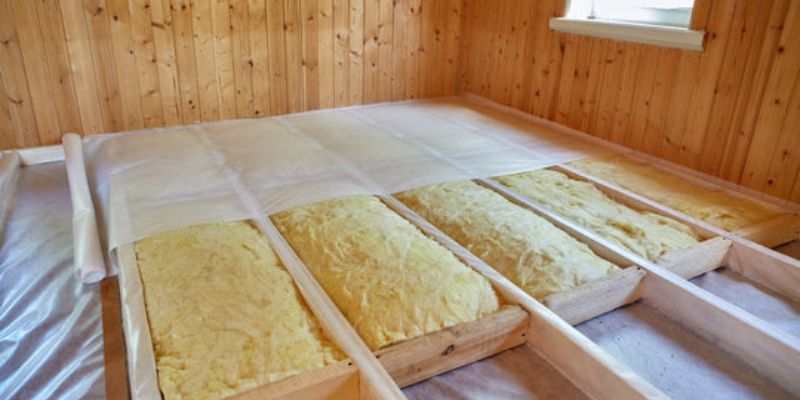
Keeping your home warm in Ireland can be difficult, especially during long, cold, and damp winters. Many homes lose a lot of heat through the floor without homeowners even realising it. Floor insulation is one of the most effective and affordable ways to improve comfort, reduce energy bills, and make your home more energy efficient.
In this article, we explain what floor insulation is, why it matters in Ireland, the types available, costs, grants, and how it can benefit your home in the long term.
What Is Floor Insulation?
Floor insulation involves adding insulating material beneath or within your floor to reduce heat loss. In many Irish homes, especially older houses, cold air comes up from below the floor. This makes rooms feel cold and uncomfortable, even when the heating is on.
By insulating the floor, you create a barrier that keeps warm air inside your home and stops cold air from entering. This helps maintain a steady indoor temperature and reduces the need for constant heating.
Why Floor Insulation Is Important in Ireland
Ireland has a cool and damp climate for most of the year. Because of this, homes need good insulation to stay warm and dry. While many homeowners focus on attic or wall insulation, floors are often forgotten.
Up to 15% of heat loss in an uninsulated home can happen through the floor. This is especially common in:
-
Older homes built before insulation standards
-
Houses with suspended timber floors
-
Rural homes with exposed ground underneath
Floor insulation is particularly important in Ireland because cold floors can also lead to dampness and condensation, which may cause mould and long-term damage.
Types of Floor Insulation for Irish Homes
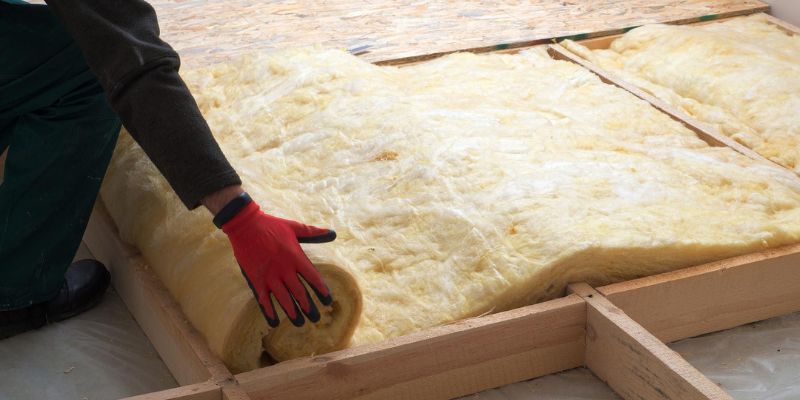
The right type of floor insulation depends on the kind of floor in your home.
1. Suspended Timber Floor Insulation
Many homes in Ireland have suspended timber floors, especially older properties. These floors usually have a small gap underneath them.
Insulation is fitted between the wooden joists from below. Common materials include:
-
Mineral wool
-
Rigid insulation boards
-
Natural insulation materials
This type of insulation is very effective and can often be installed without removing the floorboards.
2. Solid Concrete Floor Insulation
Concrete floors are common in newer Irish homes. Insulating these floors is usually done by adding insulation above or below the concrete slab.
This type of insulation is often installed during renovations, extensions, or new builds. While it can be more expensive than timber floor insulation, it offers excellent long-term energy savings.
Benefits of Floor Insulation
Installing floor insulation in your Irish home has many advantages.
Warmer Home
Insulated floors feel much warmer underfoot. Rooms heat up faster and stay warm for longer, even on cold winter days.
Lower Energy Bills
When your home holds heat better, your heating system does not need to work as hard. This can reduce your energy bills by hundreds of euros each year.
Improved Comfort
Floor insulation helps remove draughts and cold spots, making your home more comfortable throughout the year.
Reduced Damp and Moisture
Insulation helps control moisture levels, reducing the risk of dampness, mould, and condensation, which are common problems in Irish homes.
Increased Property Value
Energy-efficient homes are more attractive to buyers. Floor insulation can improve your BER rating, which may increase the value of your property.
Is Floor Insulation Affordable?
Yes, floor insulation is one of the most cost-effective home upgrades in Ireland. The price depends on:
-
Size of your home
-
Type of floor
-
Access under the floor
-
Insulation material used
On average, floor insulation costs are reasonable compared to the long-term savings on heating bills. Many homeowners find that the insulation pays for itself over time.
SEAI Grants for Floor Insulation in Ireland
The Sustainable Energy Authority of Ireland (SEAI) offers grants to help homeowners make their homes more energy efficient.
If you qualify, you may receive financial support towards the cost of floor insulation. This makes the upgrade even more affordable.
To qualify for an SEAI grant:
-
Your home must have been built before 2011
-
Work must be carried out by an SEAI-registered contractor
-
A BER assessment may be required
Grants can significantly reduce upfront costs, making floor insulation accessible to more Irish households.
How Long Does Installation Take?
In most cases, floor insulation can be installed quickly and with minimal disruption.
-
Timber floor insulation often takes 1–2 days
-
No need to move out of your home
-
Little mess when done by professionals
Once installed, you will notice the difference almost immediately.
Is Floor Insulation Right for Your Home?
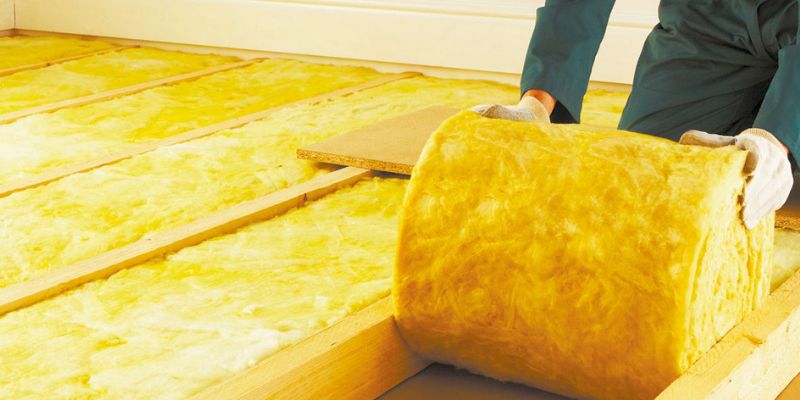
Floor insulation is suitable for most homes in Ireland, especially if you experience:
-
Cold floors
-
High heating bills
-
Draughts at floor level
-
Damp or musty smells
A professional assessment can confirm the best solution for your property.
Choosing the Right Floor Insulation Contractor in Ireland
When choosing a contractor, look for:
-
Experience with Irish homes
-
SEAI registration
-
Clear pricing and advice
-
Good reviews and references
A trusted professional will inspect your floor, recommend the best insulation option, and ensure proper installation.
Conclusion
Affordable floor insulation is a smart investment for homes in Ireland. It helps keep your house warm, reduces energy costs, improves comfort, and protects your home from dampness.
With SEAI grants available and professional installers across the country, there has never been a better time to insulate your floors. Whether you live in an older home or a newer build, floor insulation can make a real difference to your comfort and savings.
If you want a warmer, more energy-efficient home, floor insulation is a great place to start.
FAQs
1. How much does floor insulation cost in Ireland?
The cost of floor insulation in Ireland depends on the size of your home and the type of floor you have. Most homeowners find it affordable, especially when compared to long-term energy savings. SEAI grants can also help reduce the overall cost.
2. Is floor insulation suitable for older Irish homes?
Yes, floor insulation is ideal for older homes in Ireland, particularly those with suspended timber floors. These homes often lose a lot of heat through the floor, and insulation can greatly improve warmth and comfort.
3. Can I get an SEAI grant for floor insulation?
Many homeowners in Ireland are eligible for SEAI grants for floor insulation. Your home must meet certain criteria, and the work must be completed by an SEAI-registered contractor to qualify.
4. How long does it take to install floor insulation?
In most cases, floor insulation can be installed in one to two days. The work usually causes minimal disruption, and you can stay in your home while the installation is completed.
5. Will floor insulation really reduce my heating bills?
Yes, floor insulation helps keep heat inside your home, meaning your heating system does not need to work as hard. This can lead to noticeable reductions in heating bills over time, especially during colder months in Ireland