
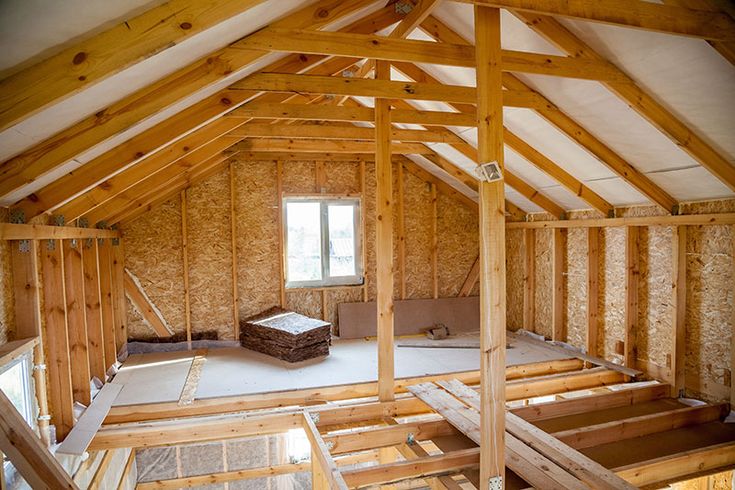
The attic insulation grant is money the Irish government gives you to help pay for insulating your attic. It is run by the SEAI — the Sustainable Energy Authority of Ireland. The goal is simple: to help people keep their homes warmer while spending less on heating bills.
In early 2026, the government increased these grants as part of the National Residential Retrofit Plan 2026, which has a total budget of €558 million to help 70,000 homes across Ireland become more energy efficient.
The grant covers roughly 80% of the average cost of attic insulation for most homes. For many people, especially first-time buyers and those on social welfare, the grant can cover the entire bill.
How Much Can You Get?
The amount you receive depends on the type of home you live in. Here are the current 2026 grant amounts:
| HOME TYPE | STANDARD GRANT | FIRST-TIME BUYER / WELFARE |
|---|---|---|
| Detached house | €2,000 | €2,500 |
| Semi-detached or end-terrace | €1,300 | €1,800 |
| Mid-terrace house | €1,200 | €1,800 |
| Apartment | €800 | €800 |
First-time buyers get extra supportIf you bought your home on or after 1 January 2025, you automatically qualify for the higher €2,500 grant — regardless of house type. For many three-bed semis, this can cover the entire cost of the work.
Who Can Apply?
Most homeowners in Ireland can apply. Here are the basic rules:
- Your home must have been built and occupied before 2011
- You must be the owner of the property (not a renter)
- The work must be carried out by an SEAI-registered contractor
- You must get grant approval before the work starts — not after
- If your existing attic insulation is less than 300mm deep, you can top it up and still get the grant
Do not start work before applying!If you hire a contractor and do the work before getting SEAI approval, you will not be able to claim the grant. Always apply first.
How to Apply: Step by Step

Find an SEAI-registered contractorOnly registered contractors can carry out grant-funded work. You can search for approved contractors on the SEAI website using your Eircode.
Get a quoteAsk the contractor for a written quote. For a standard three-bed semi-detached house, attic insulation typically costs between €400 and €1,400 before the grant.
Apply online at seai.ieFill in the application form on the SEAI website. You will need your MPRN number (on your electricity bill), your Eircode, and basic details about your home.
Wait for approval, then start the workOnce SEAI approves your application, you can go ahead and have the insulation installed. Do not start before this step.
Submit your claim and get paidAfter the work is done, submit your completion documents to SEAI. The grant money is usually paid within 4–6 weeks. Note: in most cases you pay the contractor upfront, then SEAI reimburses you.
Why Is Attic Insulation Such Good Value?
Of all the home energy upgrades available, attic insulation gives you the best return for your money. Here is why:
- Up to 30% of heat in a home can escape through the roof
- The grant covers up to 80% of the average cost
- Most homeowners save enough on heating bills to pay back the remaining cost within 1–3 years
- Your home will feel noticeably warmer and more comfortable
What About People on Social Welfare?
If you are receiving certain qualifying social welfare payments, you get the same higher grant as first-time buyers — up to €2,500 for a detached home and €1,800 for other house types. This applies from 2 March 2026.
Can I Combine the Attic Grant With Other Grants?
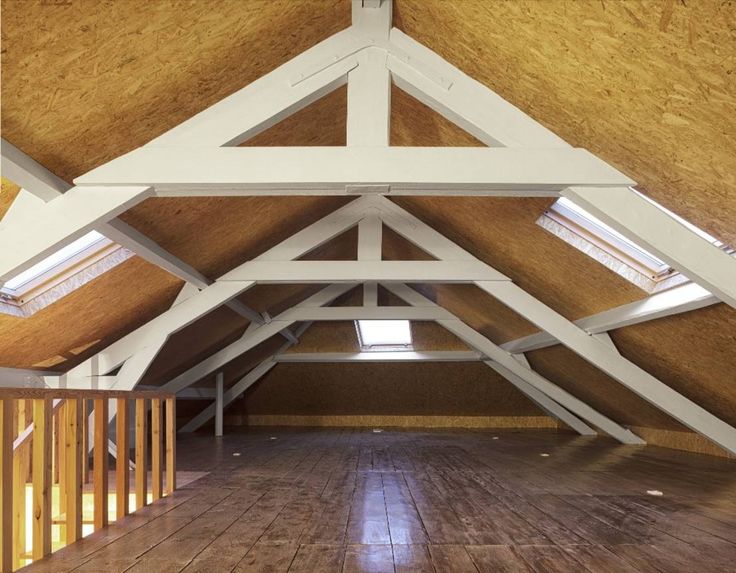
For example, you could also apply for a grant for cavity wall insulation (up to €1,800 for a detached home), a heat pump grant (up to €12,500), or solar panel support — all in one application. Doing multiple upgrades at the same time can save you even more money on heating in the long run.
Frequently Asked Questions
In most cases, yes — you pay the contractor first, then SEAI reimburses you. However, using a One Stop Shop contractor means the grant is deducted from your bill directly.
No. SEAI requires you to apply and receive approval before the work begins. If you start without approval, you will not receive the grant.
Yes. If your existing insulation is less than 300mm deep, it can be topped up and the SEAI grant still applies.
No. Attic insulation does not require planning permission for most homes. If your home is a protected structure, check with your local authority first.
From applying to receiving your grant payment typically takes 6–10 weeks.
Apply directly on the SEAI website at seai.ie. The application is free and you can do it online.
Conclusion
the Attic Insulation Grant is one of the most valuable supports available to homeowners in Ireland who want to improve their home’s energy efficiency and reduce heating costs. As energy prices continue to rise, insulating your attic becomes an increasingly important investment. Fortunately, the grant helps make this upgrade more affordable by covering a significant portion of the installation cost. As a result, more households can enjoy the benefits of a warmer and more comfortable home without facing a large financial burden.
Furthermore, proper attic insulation reduces heat loss, which means your heating system does not have to work as hard to maintain a comfortable temperature. Consequently, this can lead to lower energy bills throughout the year. In addition, better insulation can improve your home’s energy rating, increase its value, and reduce its environmental impact by lowering carbon emissions.
Moreover, the application process is straightforward, and many homeowners qualify for financial assistance through available schemes. Therefore, there has never been a better time to explore yo