
Pumped cavity wall insulation is one of the most affordable ways to make homes warmer in Ireland in 2026. With energy prices still high, many homeowners are looking for simple ways to reduce heating bills and improve comfort. Pumped cavity wall insulation can help keep heat inside the house, lower energy costs, and improve your home’s BER rating.
In Ireland, many houses built between the 1930s and early 2000s have cavity walls. These walls have a small gap between the inner and outer wall. This gap can allow heat to escape. Pumped cavity wall insulation fills this gap with insulation material, helping the home stay warm during cold Irish weather.
What Is Pumped Cavity Wall Insulation?
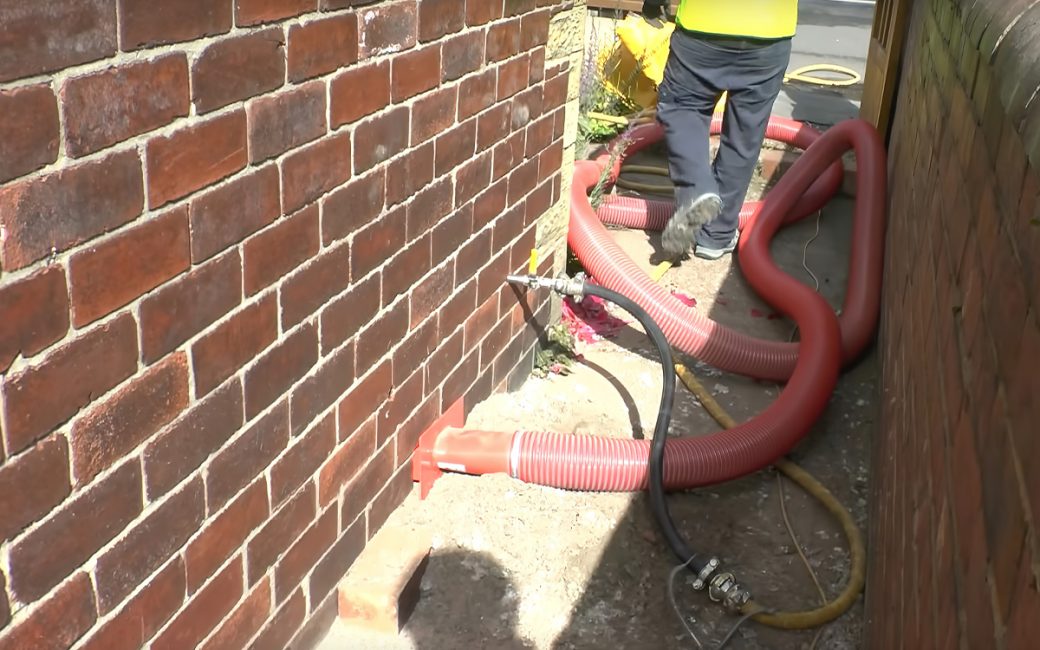
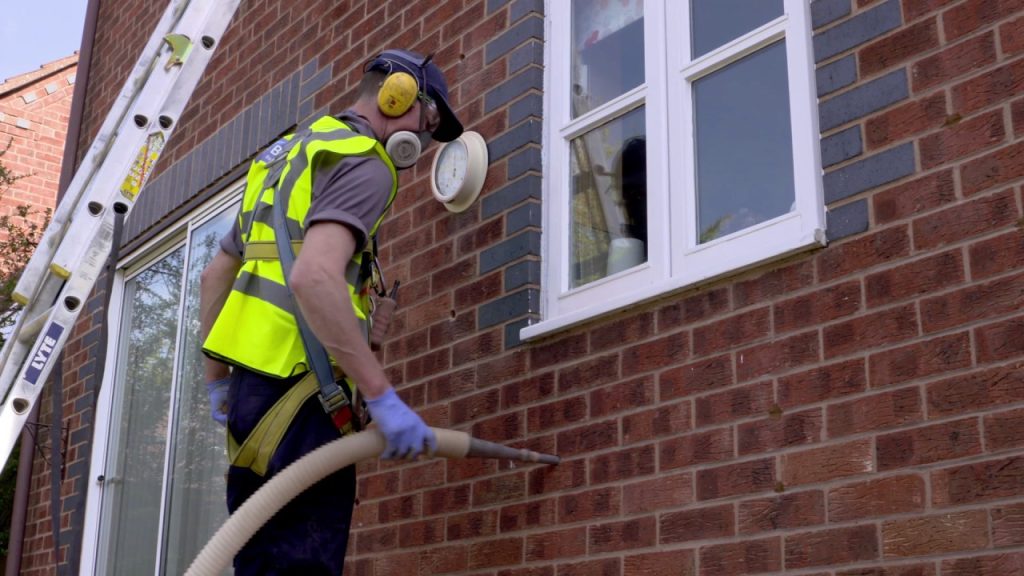
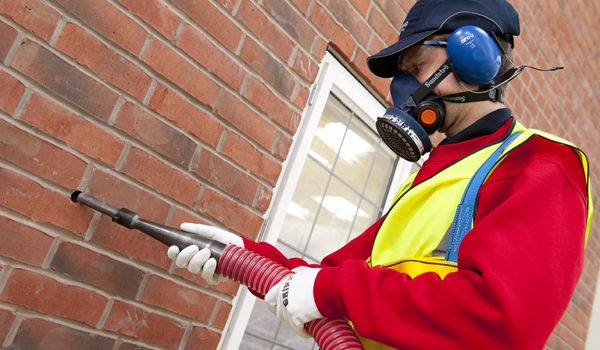
Pumped cavity wall insulation is a process where insulation material is injected into the cavity of the wall through small drilled holes. The installer drills small holes in the outside wall, pumps insulation into the cavity, and then seals the holes afterward.
The most common materials used in Ireland include:
- Polystyrene bonded beads
- Mineral wool
- Pumped foam insulation
Bonded bead insulation is the most popular option because it is affordable, effective, and suitable for many Irish homes.
Average Pumped Cavity Wall Insulation Cost in Ireland 2026
The cost of pumped cavity wall insulation in Ireland depends on several factors, including the size of the house, wall area, and insulation material used.
For most Irish homes in 2026, the average costs are:
| Property Type | Average Cost | SEAI Grant | Estimated Cost After Grant |
|---|---|---|---|
| Apartment | €400 – €900 | Up to €700 | €0 – €200 |
| Mid-Terrace House | €500 – €1,200 | Up to €850 | €0 – €400 |
| Semi-Detached House | €600 – €2,500 | Up to €1,300 | €200 – €1,200 |
| Detached House | €1,200 – €3,000 | Up to €1,800 | €450 – €1,500 |
These prices usually include labour, materials, and VAT.
Factors That Affect the Cost
Several things can affect the final price of cavity wall insulation in Ireland.
1. Size of the House
Larger homes need more insulation material and more installation time. Detached houses are usually more expensive because all four walls may need insulation.
2. Wall Condition
If the cavity already contains damaged insulation or debris, additional cleaning work may be required before installation.
3. Type of Insulation Material
Bonded beads are usually cheaper than foam insulation. Foam offers better thermal performance but costs more.
4. Accessibility
Homes with difficult access or higher walls may require additional equipment, increasing labour costs.
5. Cavity Width
Wider cavities need more insulation material, which increases the overall cost.
SEAI Grants for Cavity Wall Insulation in Ireland
The Sustainable Energy Authority of Ireland (SEAI) offers grants to help homeowners reduce insulation costs. These grants make pumped cavity wall insulation much more affordable in 2026.
Current SEAI grant amounts include:
- Apartment: up to €700
- Mid-terrace house: up to €850
- Semi-detached house: up to €1,300
- Detached house: up to €1,800
Some homeowners receiving social welfare payments may qualify for enhanced grants up to €2,300 for detached homes.
To qualify for the grant:
- The home must be built before 2011
- The work must be completed by an SEAI-registered contractor
- Approval must be received before work starts
Benefits of Pumped Cavity Wall Insulation
Lower Heating Bills
Proper wall insulation can reduce heat loss through walls by up to 30%. This means less energy is needed to heat the home.
Warmer Home
Irish winters can feel very cold and damp. Pumped cavity wall insulation helps keep indoor temperatures more comfortable throughout the year.
Better BER Rating
Insulating cavity walls can improve your Building Energy Rating (BER), making the property more energy efficient and attractive to buyers.
Fast Installation
Most cavity wall insulation jobs are completed within one day with very little disruption.
Reduced Carbon Emissions
Using less heating energy helps reduce carbon emissions and supports Ireland’s climate goals.
Is Pumped Cavity Wall Insulation Worth It?
For many Irish homeowners, pumped cavity wall insulation is one of the best-value home upgrades available. Compared to external wall insulation, it is much cheaper and quicker to install.
External wall insulation can cost over €20,000 for some homes, while cavity wall insulation may cost only a few hundred euro after grants.
Many homeowners on Irish forums also mention noticeable improvements in comfort and heat retention after installation. Some homeowners recommend improving attic insulation at the same time for even better results.
How to Know If Your Home Is Suitable
Not every home is suitable for cavity wall insulation. Homes built before the 1930s may have solid walls instead of cavity walls.
Your installer will usually inspect:
- Wall thickness
- Existing insulation
- Signs of damp
- Cavity condition
A professional assessment is important before installation to avoid future moisture issues.
Common Problems to Avoid
Poor Installation
Always use an experienced SEAI-registered contractor. Poor installation may leave gaps in the cavity.
Damp Issues
Existing damp problems should be fixed before insulation is installed.
Lack of Ventilation
Good ventilation is important after improving insulation to avoid condensation problems. Some Irish homeowners recommend installing proper vents if needed.
conclusion
Pumped cavity wall insulation is one of the most cost-effective energy upgrades available in Ireland in 2026. It can make your home warmer, reduce heating bills, and improve energy efficiency at a relatively low cost.
With generous SEAI grants available, many homeowners can complete the work for a very affordable price. For most semi-detached homes, the final cost after grants may be only a few hundred euro.
If your home has suitable cavity walls, pumped cavity wall insulation is a smart investment that can provide comfort and savings for many years.
FAQS
1. How much does pumped cavity wall insulation cost in Ireland in 2026?
The average cost ranges from €400 to €3,000 depending on the size of the property. After SEAI grants, many homeowners may pay between €0 and €1,500.
2. How long does cavity wall insulation last?
Pumped cavity wall insulation can last over 25 years when installed correctly by a professional contractor.
3. Is there an SEAI grant for cavity wall insulation in Ireland?
Yes, the SEAI offers grants for eligible homes. The grant amount depends on the property type and can significantly reduce installation costs.
4. How long does the installation process take?
Most cavity wall insulation jobs are completed within one day with minimal disruption to the homeowner.
5. Does cavity wall insulation reduce heating bills?
Yes, cavity wall insulation helps reduce heat loss through walls, which can lower heating costs and improve comfort during cold Irish winters.