
Under floor insulation is becoming very popular in Dublin and across Ireland in 2026. Many homeowners are now looking for ways to reduce energy bills, improve comfort, and make their homes warmer. One of the best ways to do this is by insulating the floor.
In Ireland, a large amount of heat is lost through the floor if it is not properly insulated. Experts say that up to 10% of heat can escape through uninsulated floors. This means your heating system has to work harder, which increases your energy costs.
In this article, we will explain what under floor insulation is, its benefits, types, costs, and grants available in Dublin in 2026.
What is Under Floor Insulation?
Under floor insulation is a layer of insulating material installed beneath your floor. It helps stop heat from escaping into the ground.
This insulation is usually installed on the ground floor of homes. It works by creating a barrier that keeps heat inside your house. It also helps block cold air from coming up through the floor.
There are two main types of floors in Irish homes:
- Suspended timber floors
- Solid concrete floors
Each type needs a different insulation method.
Why Under Floor Insulation is Important in Dublin
Dublin has a cool and damp climate, especially during winter. Many older homes were built before modern insulation standards were introduced.
This means:
- Floors can feel cold
- Rooms lose heat quickly
- Heating bills become expensive
By installing under floor insulation, you can make your home more energy-efficient and comfortable.
Benefits of Under Floor Insulation
1. Lower Energy Bills
Insulating your floor helps reduce heat loss. This means your heating system uses less energy. Homeowners in Ireland can save money every year on heating costs.
2. Warmer Home
Cold floors are a common problem in Dublin homes. Insulation keeps floors warm and improves comfort.
3. Reduced Draughts
Insulation blocks cold air coming from gaps in the floor. This makes your home feel more cosy.
4. Better BER Rating
A well-insulated home gets a higher Building Energy Rating (BER). This can increase your property value.
5. Eco-Friendly Living
Using less energy reduces carbon emissions. This helps protect the environment.
Types of Under Floor Insulation
1. Insulation for Suspended Timber Floors
This type is common in older Dublin homes.
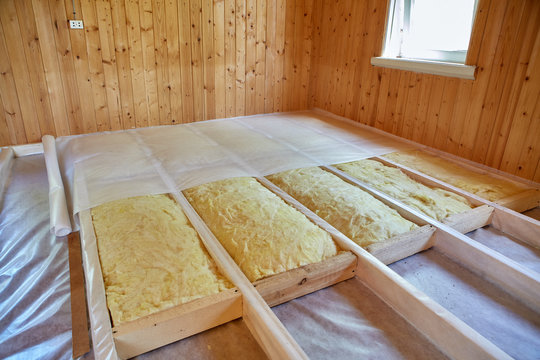
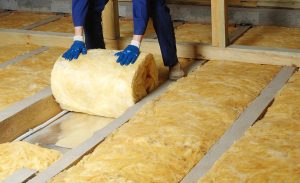
- Insulation is placed between floor joists
- Materials like mineral wool or rigid boards are used
- Often installed from below (crawl space)
2. Insulation for Solid Concrete Floors
This is common in newer homes.
- Rigid insulation boards (like PIR or EPS) are used
- Installed above or below the concrete slab
- Strong and durable materials are required
3. Insulation with Underfloor Heating
Many homeowners combine insulation with underfloor heating systems.
- Improves heat efficiency
- Works well with heat pumps
- Reduces energy waste
Cost of Under Floor Insulation in Ireland (2026)
The cost of under floor insulation in Dublin depends on many factors such as floor type, materials, and labour.
Average Costs:
- €20 to €70 per square metre for materials
- €20 to €30 per square metre for basic insulation
- €4,000 to €5,000 for a typical timber floor home
Some projects may cost more if:
- Floors need to be removed
- Repairs are required
- Access is difficult
Although the cost may seem high, it is a long-term investment that saves money over time.
SEAI Grants for Under Floor Insulation (2026)
The Irish government offers grants through the SEAI (Sustainable Energy Authority of Ireland).
Key Grant Details:
- Up to €3,500 available for floor insulation
- Available as part of a full home energy upgrade
- Work must be done by an approved contractor
- Your home must be built before 2011
Grants can cover a large part of the cost, making insulation more affordable.
Building Regulations in Ireland
When installing under floor insulation, you must follow Irish building regulations.
- Required U-value: 0.45 W/m²K or lower
- Ensures proper energy efficiency
- Must meet standards for renovations
Always hire qualified professionals to ensure compliance.
Installation Process
The installation method depends on your floor type.
For Timber Floors:
- Lift floorboards
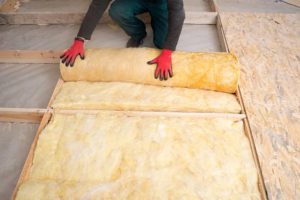
- Install insulation between joists
- Add airtight membrane
- Replace floorboards
For Concrete Floors:
- Remove existing flooring
- Install insulation boards
- Add screed layer
- Reinstall flooring
Professional installation is recommended for best results.
Factors to Consider Before Installation
Before installing under floor insulation, consider the following:
1. Floor Type
Different floors need different insulation methods.
2. Budget
Costs vary depending on materials and labour.
3. Access
Some homes have limited access under floors.
4. Moisture Protection
Proper sealing is important to prevent damp issues.
5. Heating System
If you plan to install underfloor heating, combine it with insulation for better performance.
Is Under Floor Insulation Worth It?
Yes, under floor insulation is definitely worth it for Dublin homeowners.
It offers:
- Lower heating bills
- Improved comfort
- Better energy efficiency
- Increased home value
Insulation is one of the best upgrades you can make to your home in 2026. It works even better when combined with attic and wall insulation.
Conclusion
Under floor insulation is an important home upgrade in Dublin, Ireland in 2026. With rising energy costs and colder winters, insulating your floor can make a big difference.
Although the initial cost can be high, government grants and long-term savings make it a smart investment. Whether you live in an old or new home, adding floor insulation will improve comfort, reduce energy use, and increase property value.
If you are planning a home upgrade, under floor insulation should be at the top of your list.
FAQs
1. How much heat is lost through floors in Ireland?
Up to 10% of heat can be lost through uninsulated floors.
2. How much does under floor insulation cost in Dublin?
It can cost between €20–€70 per m² or around €4,000–€5,000 for a full home.
3. Is there a grant for floor insulation in Ireland?
Yes, up to €3,500 is available through SEAI for eligible homes.
4. Can I install under floor insulation myself?
It is possible, but professional installation is recommended for best results and grant eligibility.
5. Does under floor insulation improve BER rating?
Yes, it improves energy efficiency and helps increase your home’s BER rating.