
Pumped cavity wall insulation is one of the most popular and affordable ways to make homes warmer in Ireland. With rising energy costs, many homeowners are now looking for cost-effective solutions to reduce heating bills. This guide explains the prices, factors, grants, and benefits of pumped cavity wall insulation in Ireland in simple terms.
What Is Pumped Cavity Wall Insulation?
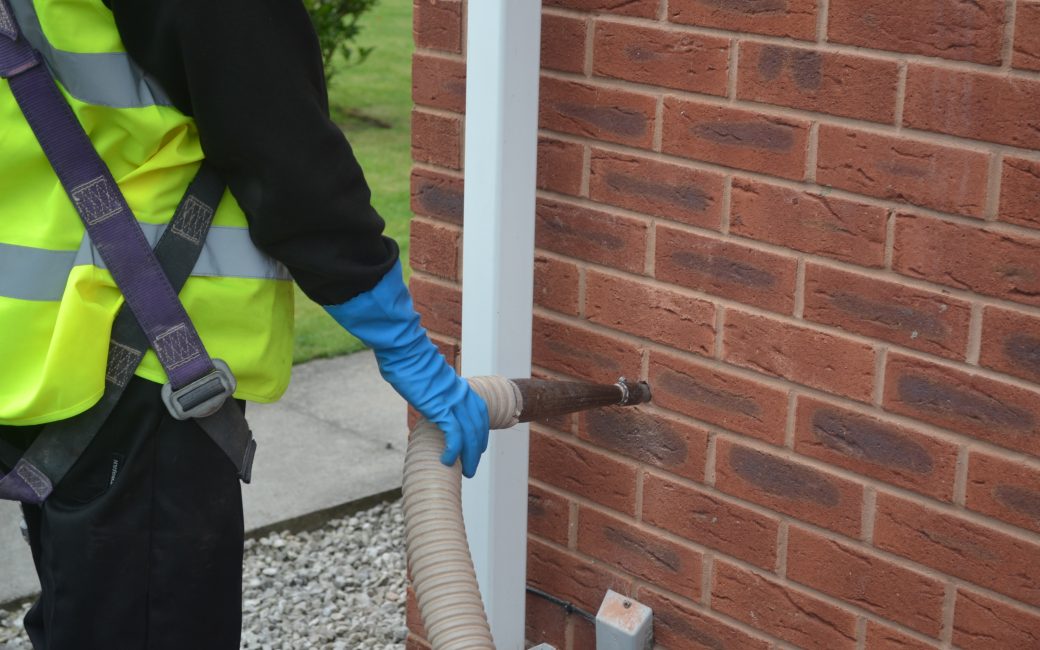
Pumped cavity wall insulation is a method where insulation material is injected into the gap (called a cavity) between the inner and outer walls of a house.
Most homes in Ireland built after the 1930s have cavity walls. These cavities can allow heat to escape easily. By filling them with insulation, you can keep heat inside your home.
The process involves:
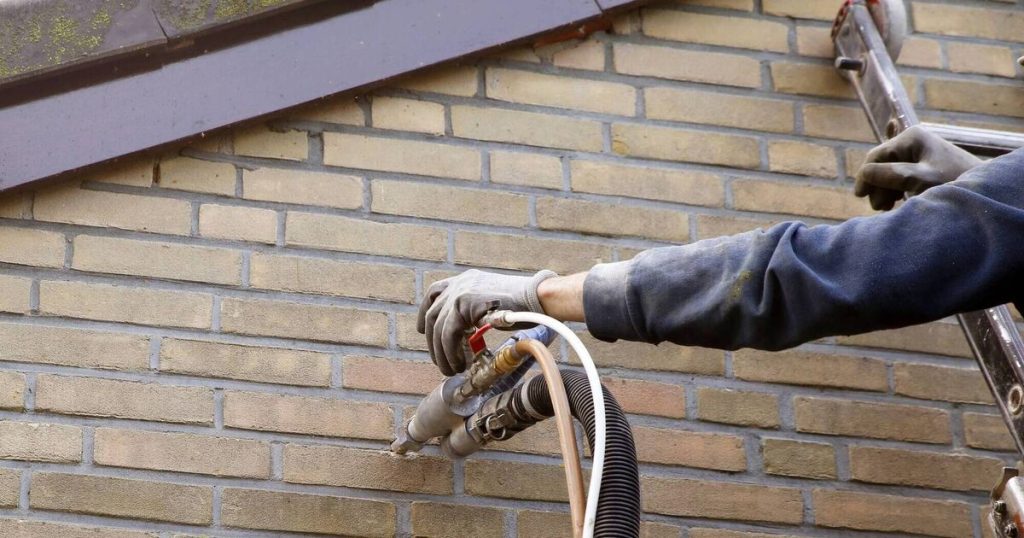
- Drilling small holes in the outside wall
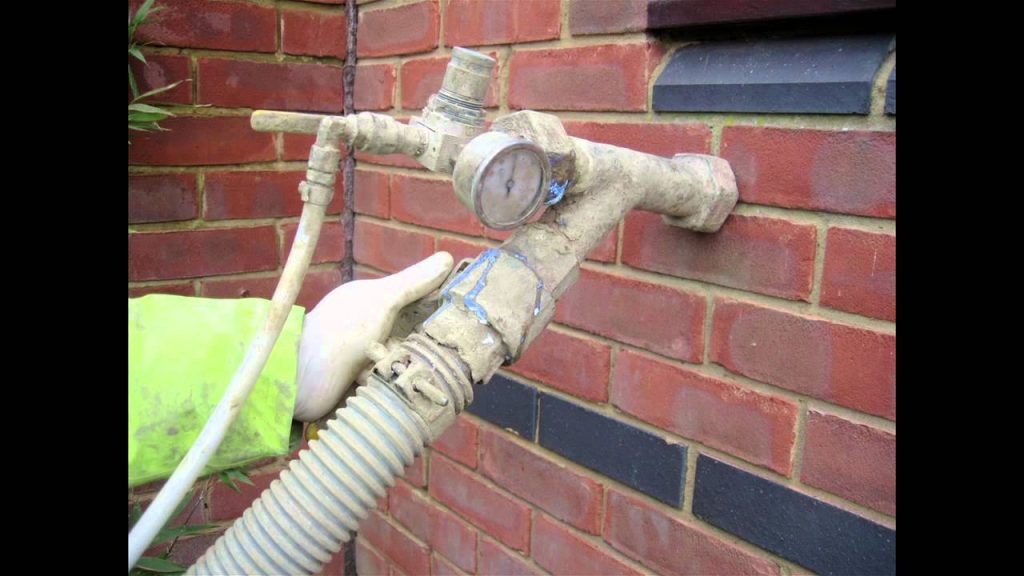
- Pumping insulation material into the cavity
- Sealing the holes after filling
The job is usually quick and often completed in just one day.
Average Cost of Pumped Cavity Wall Insulation in Ireland
The price of pumped cavity wall insulation in Ireland depends on the size of your home, wall condition, and insulation material.
Cost Per Square Metre
- Around €8.50 to €13 per m²
Typical House Costs (Before Grants)
- Small home or apartment: €400 – €800
- Mid-terrace house: €500 – €1,200
- Semi-detached house: €600 – €2,500
- Detached house: €1,200 – €3,000
On average, most homeowners pay:
- €1,200 to €3,000 for a standard home
Some estimates also show total costs can go up to €6,000 depending on size and complexity.
Cost After SEAI Grants
In Ireland, the Sustainable Energy Authority of Ireland (SEAI) offers grants to reduce insulation costs.
Typical Grants Available
- Apartment: up to €700
- Mid-terrace: up to €850
- Semi-detached: up to €1,300
- Detached: up to €1,800
Real Cost After Grant
After applying grants, many homeowners pay:
- €0 – €400 for smaller homes
- €200 – €1,200 for semi-detached homes
- €450 – €1,500 for detached homes
In some cases, the grant covers most of the cost, making it very affordable.
What Affects the Price?
Several factors can change the final cost of pumped cavity wall insulation.
1. Size of the House
Larger homes need more insulation material, which increases the price.
2. Wall Area
More external walls mean higher costs. Detached homes usually cost more than terraced houses.
3. Cavity Width
Wider cavities need more insulation material. Very narrow cavities may require special treatment.
4. Condition of Walls
If your walls have damp issues or old insulation, extra work may be needed, increasing the cost.
5. Type of Insulation Material
Different materials have different prices:
- Polystyrene beads (most common and affordable)
- Mineral wool (good for soundproofing)
- Polyurethane foam (more expensive but better performance)
Benefits of Pumped Cavity Wall Insulation
Installing pumped cavity wall insulation offers many advantages:
1. Lower Energy Bills
Up to 30% of heat can be lost through walls without insulation.
Insulation helps reduce heating costs significantly.
2. Warmer Home
Your home stays warmer in winter and more comfortable all year round.
3. Quick Installation
Most jobs are completed in one day with minimal disruption.
4. Increase in Property Value
Energy-efficient homes are more attractive to buyers in Ireland.
5. Environmentally Friendly
Using less energy reduces carbon emissions and helps the environment.
Is It Worth the Cost?
Yes, pumped cavity wall insulation is considered one of the best-value home upgrades in Ireland.
Compared to other insulation types:
- It is much cheaper than external wall insulation
- It is faster to install
- It gives good energy savings
For example:
- Cavity wall insulation: €600 – €2,500
- External wall insulation: €18,000 – €26,000
This makes pumped insulation the first choice for many homeowners.
How Long Does It Take?
The installation process is simple:
- Small holes are drilled in the wall
- Insulation is pumped into the cavity
- Holes are sealed
Most homes are completed in:
- 3–4 hours for smaller houses
- 1 full day for larger homes
There is no mess inside your home, and you do not need to move furniture.
Who Can Get It?
You can get pumped cavity wall insulation if:
- Your home was built after the 1930s
- Your walls have a cavity (gap)
- The cavity is suitable and not already fully insulated
Homes built before 1930 usually have solid walls and may need other insulation types.
Things to Check Before Installation
Before installing, make sure:
- Your walls are free from damp
- The cavity is suitable for insulation
- You choose a certified installer
- You apply for the SEAI grant before starting work
These steps help avoid problems and ensure good results.
Conclusion
Pumped cavity wall insulation is a smart and affordable investment for homeowners in Ireland. With costs ranging from €1,200 to €3,000 before grants and much lower after financial support, it is one of the easiest ways to improve energy efficiency.
It not only reduces heating bills but also makes your home more comfortable and environmentally friendly. With quick installation and strong government support, it is a great option for most Irish homes.
If your house has cavity walls, pumped insulation is definitely worth considering in 2026.
5 FAQs
1. How much does pumped cavity wall insulation cost in Ireland?
It usually costs between €1,200 and €3,000 before grants, depending on house size.
2. Are grants available in Ireland?
Yes, SEAI offers grants up to €1,800 depending on the property type.
3. How long does installation take?
Most homes are completed within a day.
4. Does it really save energy?
Yes, it can reduce heat loss through walls by up to 30%.
5. Is it suitable for all homes?
No, only homes with cavity walls can use this method.