
Home insulation grants help homeowners in Dublin and across Ireland make their homes warmer, more comfortable, and cheaper to heat. In 2026, these grants continue to play a very important role as energy costs remain high and Ireland works towards climate goals. Many homes in Dublin are older and lose heat easily, so insulation upgrades can make a big difference.
This guide explains home insulation grants in simple terms. It covers what grants are available, who can apply, what work is covered, and how Dublin homeowners can benefit in 2026.
What Are Home Insulation Grants?
Home insulation grants are financial supports provided by the Irish government through the Sustainable Energy Authority of Ireland (SEAI). These grants help pay for insulation upgrades that reduce heat loss and improve energy efficiency.
Insulating your home means less heat escapes through the walls, roof, floors, and attic. This leads to:
-
Lower energy bills
-
A warmer home
-
Less reliance on fossil fuels
-
A better Building Energy Rating (BER)
In Dublin, where many homes were built before modern insulation standards, these grants are especially useful.
Who Provides Insulation Grants in Ireland?
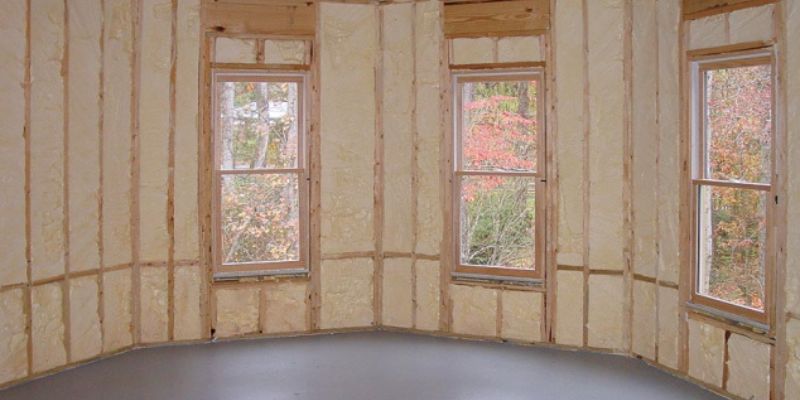
In 2026, insulation grants are mainly provided by:
-
SEAI (Sustainable Energy Authority of Ireland)
SEAI runs different schemes depending on income level and home type. These schemes apply in Dublin and all other counties in Ireland.
Types of Home Insulation Grants Available in 2026
1. SEAI Individual Home Energy Upgrade Grants
These grants are for homeowners who want to upgrade their home step by step. You can choose one or more insulation measures.
Common insulation grants include:
-
Attic insulation
-
Cavity wall insulation
-
Internal wall insulation
-
External wall insulation
-
Floor insulation
This scheme is popular in Dublin because it allows flexibility and does not require a full home retrofit.
2. SEAI One Stop Shop Scheme
The One Stop Shop scheme is for homeowners who want a full home upgrade. It covers:
-
Insulation
-
Heating systems
-
Ventilation
-
BER assessment
-
Project management
This scheme is ideal if you want to bring your home to a high energy standard, such as BER B2 or better. Many Dublin homeowners choose this option for older houses and period homes.
3. Fully Funded Energy Upgrades (Warmer Homes Scheme)
This scheme is for homeowners on certain social welfare payments. If eligible, you may receive free insulation upgrades, including:
-
Attic insulation
-
Wall insulation
-
Draught proofing
This scheme is very important for tackling energy poverty in Dublin, especially in older housing estates.
What Insulation Works Are Covered?
In 2026, SEAI grants cover several types of insulation:
Attic Insulation
Attic insulation is one of the most cost-effective upgrades. Heat rises, and a poorly insulated attic can lose up to 30% of heat.
Most Dublin homes qualify for attic insulation grants.
Wall Insulation
Wall insulation depends on the type of wall:
-
Cavity walls (common in homes built after the 1980s)
-
Solid walls (common in older Dublin homes)
Solid wall insulation can be internal or external and usually qualifies for higher grant amounts.
Floor Insulation
Floor insulation helps reduce cold draughts and heat loss, especially in ground-floor rooms. This is useful for older homes with suspended timber floors.
How Much Are the Grants Worth?
Grant amounts can change, but in 2026 typical insulation grant values are expected to be similar to recent years.
Examples (approximate):
-
Attic insulation: up to €1,500
-
Cavity wall insulation: up to €1,700
-
Internal wall insulation: up to €4,500
-
External wall insulation: up to €8,000
-
Floor insulation: up to €3,500
Actual amounts depend on:
-
Home size
-
Insulation type
-
Scheme used
Who Can Apply in Dublin?
Most homeowners in Dublin can apply if:
-
The home was built before a certain year (usually before 2011)
-
You are the homeowner
-
The work is carried out by an SEAI-registered contractor
Landlords and rental property owners may also qualify under certain conditions.
Apartments, houses, and bungalows in Dublin are all eligible, though apartment insulation rules can be more complex.
Why Insulation Is Important in Dublin
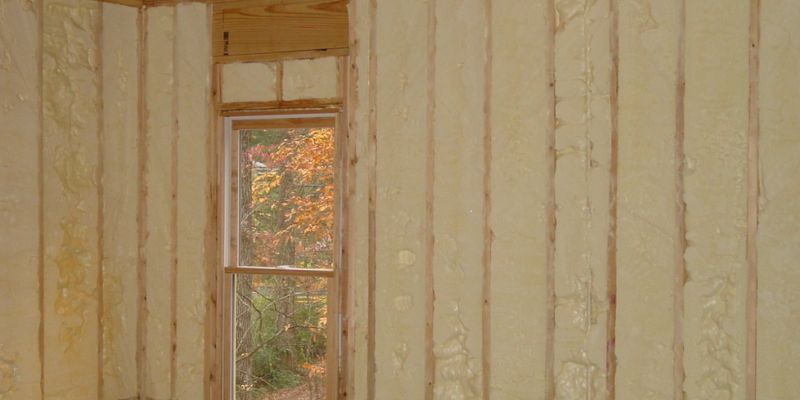
Dublin has a large number of:
-
Older terraced houses
-
Semi-detached homes
-
Apartments built before modern insulation rules
Many of these homes suffer from:
-
Cold rooms
-
Damp problems
-
High heating bills
Insulation upgrades help fix these problems while increasing property value. With Dublin house prices high, improving energy efficiency is a smart long-term investment.
The Application Process
The process in 2026 is expected to remain simple:
-
Check eligibility on the SEAI website
-
Choose a registered contractor
-
Apply for the grant before work starts
-
Complete the insulation work
-
Submit documents and receive payment
For One Stop Shop projects, the provider usually manages most of the paperwork.
BER and Energy Ratings
After insulation work, your home’s Building Energy Rating (BER) usually improves. A better BER:
-
Makes your home more comfortable
-
Lowers running costs
-
Increases resale value
-
Makes the home more attractive to buyers and renters
In Dublin’s competitive property market, a good BER can be a major advantage.
Common Mistakes to Avoid
-
Starting work before grant approval
-
Using non-registered contractors
-
Not upgrading ventilation when insulating
-
Choosing the cheapest option without advice
Always get professional guidance before starting insulation work.
Conclusion
Home insulation grants in Dublin in 2026 offer a great opportunity to improve comfort, reduce energy bills, and protect the environment. Whether you live in a small terraced house or a larger family home, insulation can make a real difference.
With government support through SEAI, upgrading your home is more affordable than ever. Taking action now helps future-proof your home, especially as energy standards continue to rise in Ireland
FAQs
1. Who can apply for home insulation grants in Dublin?
Most homeowners in Dublin can apply if their home was built before 2011 and the work is done by an SEAI-registered contractor. Some schemes are also available for landlords and people on social welfare payments.
2. Do I need to pay upfront for insulation work?
Yes, in most cases you pay the contractor first and receive the grant back after the work is completed. However, under the fully funded Warmer Homes Scheme, eligible homeowners may not have to pay anything upfront.
3. Can I apply for more than one insulation grant?
Yes. You can apply for multiple insulation grants, such as attic and wall insulation, as long as you apply before the work starts and meet SEAI requirements.
4. How long does it take to receive the grant payment?
Grant payments are usually processed within a few weeks after all documents are submitted. Delays can happen if paperwork is missing or incorrect.
5. Is a BER assessment required after insulation work?
A BER assessment is often recommended and may be required for certain schemes, especially full home upgrades. A better BER can increase your home’s value and lower energy bills.